-
Equine Encephalosis Virus, RT-qPCR
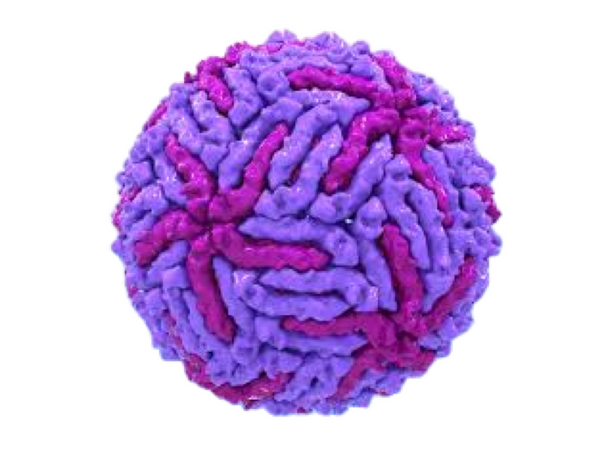
Pathogen test The RT-qPCR test detects the genome (RNA) of Equine Encephalosis virus (EEV). Sample 5 mL - blood - K3 EDTA tube 5mL - liquor (CSF) - sterile tube Turnaround time 2 to 5 working days What is Equine Encephalosis Virus? Equine Encephalosis (EE) is an arthropod borne febrile non contagious disease of equines. The causative virus, Equine encephalosis virus (EEV), has several serotypes (EEV1-EEV7) and the virus has been reported from southern Africa including Kenya, Botswana and South Africa. Clinical signs The name equine encephalosis is misleading as the disease is not primarily a neurological disorder. Although the majority of infections result only in mild clinical signs, in more severe cases clinical signs include a short period (typically two to five days) of fluctuating fever, accompanied by varying degrees of inappetence. Elevated heart and respiratory rates are also common, and occasionally as a result of nasal congestion, a red-brown discolouration of the mucous membranes may be observed. Although rare, more severe clinical signs may occur including facial swelling (lips and eyelids), respiratory distress, and petechial haemorrhages of the conjunctivae. Pregnant mares may also abort during their first 5 months of gestation. Neurological signs are atypical, but in certain cases hindquarter ataxia, convulsions, hyper-excitability, and depression have been reported. The mortality rate is normally low, accounting for only 5% of infected animals. Transmission EEV is transmitted by Culicoides spp. All Equidae may be infected, but only horses exhibit symptoms. Serological evidences in endemic countries indicate that zebras and donkeys might maintain EEV circulation; however, their true role in the transmission is still unknown Prevention In the vast majority of cases (c. 90%) the animal will recover without further complications, and a course of anti-inflammatories or appetite stimulants may be administered. Occasionally, antibiotics are prescribed in order to prevent the appearance of secondary infections. Some equids show no clinical signs at all but are biliary carriers. Although in this instance the animal is not in immediate danger, it must be treated in order to prevent the reemergence of the virus were the immune system to be challenged by another disease simultaneously. Due to the absence of an effective vaccine, vector control remains one of the primary methods of prevention. Control of the midges is usually only instigated for domesticated stabled horses, and includes precautionary measures such as the limited use of lights at night, as well as the use of fly repellents and fans.
£55.00
-
Rabies Virus qPCR
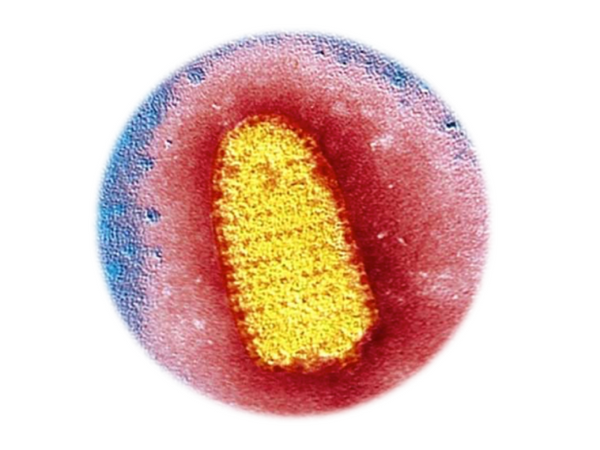
Pathogen test The qPCR test detects the genome (DNA) of Rabies virus. Sample 1 swab - saliva - dry swab 5mL - blood - K3 EDTA tube 5mL - liquor (CSF) - sterile tube Turnaround time 2 to 5 working days What is Rabies? Rabies is a virus that causes a neurological disease that can affect all mammals. When an animal is bitten, the virus migrates to the brain where it causes inflammation, known as encephalitis. It is rapidly progressive and invariably fatal. The incubation period – the time between the virus’ entry into the body and the onset of clinical signs – averages 2 to 9 weeks, but may be as long as 15 months. Clinical signs Clinical signs can be subtle and could include: Sudden change in behaviour (depression to manic); Lameness or being unable to rise; Head-pressing and circling; Pain or difficulty urinating; Muscle tremors or convulsions; Persistent and painful erection in absence of sexual interest; Loss of appetite; Appearance of choke; Neurologic signs such as incoordination and paralysis; and Sudden death can also be seen on occasion. Transmission We see an increased incidence of rabies infections in horses and other livestock in the late summer and fall when wildlife populations peak. Horses contract rabies through the bite of an infected (rabid) animal, such as a raccoon, fox, skunk or bat. A horse’s curiosity can get the best of him, with bites typically occurring on the horse’s face and muzzle or lower limbs. Most exposures aren’t noticed and most bite wounds aren’t found. Since wildlife may enter barns (especially at night), both horses in stalls and those on pasture are at risk of exposure. Due to the serious threat for human exposure when handling a horse with rabies, any suspected case of equine rabies should be handled as if it were positive until proven otherwise. You may become infected with the rabies virus through contact with saliva or brain/nervous system tissue from a rabid animal. Individuals who have been in contact with a horse since the onset of clinical signs should immediately consult with their physician regarding medical treatment. Prevention Horse owners can take advantage of some basic husbandry practices and good common sense to help reduce the risk factors that can contribute to disease incidence. One thing that all of us can do is to keep our feed storage areas neat and clean. Untidy areas with spilled feed invites unwanted guests such as opossums. Keep your feed in sealed or closed containers. Cover your hay storage area if possible. Keep rodents under control on your property. Discourage visits by opossums. Check with local authorities with respect to trapping and relocating opossums or eliminating them. Properly dispose of any animal carcasses that you may see on or near your property. Clean your equine water sources on a regular basis. Do not feed on the ground. When transporting horses, make them as comfortable as possible.
£45.00
-
Equine Protozoa Myeloencephalitis qPCR
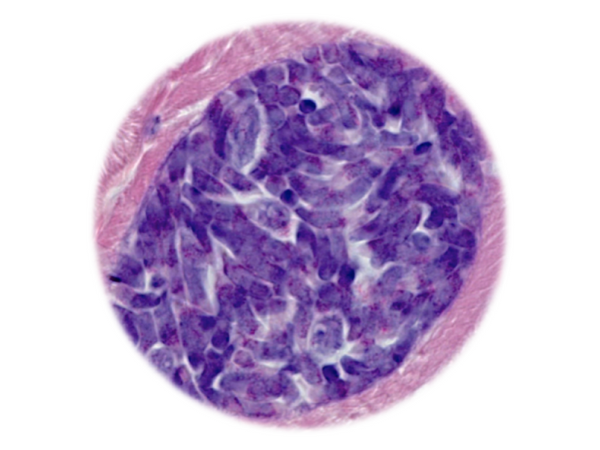
Pathogen test The qPCR test detects the genome (DNA) of Sarcocystis neurona, the pathogen responsible for Equine Protozoa Myeloencephalitis. Sample 2- 5 mL - liquor (CSF) - in EDTA tube. feces - sterile container postmortem tissues. Turnaround time 2 to 5 working days What is Equine Protozoa Myeloencephalitis? EPM is progressive, degenerative neurological disease of the central nervous system. The disease is one of the most commonly diagnosed neurological disorders of horses in the United States. The protozoa does not occur in horse manure, so EPM is not spread between horses. So the horses is considered a dead end host. Clinical signs Since EPM is a disease of the central nervous system (brain and spinal cord) and it can affect multiple locations within the brain and spinal cord, the signs and severity of this disease can vary dramatically. Though EPM can affect both the brain and spinal cord, it is more common for the signs of disease to be associated with damage to the spinal cord, but we can and do see insult to the brain. We typically refer to the 3 “A”s of this disease: Asymmetry, Ataxia and Atrophy. Asymmetry is a term we use to describe a symptom that is worse on one side of the body than on the opposite side. In other words, with EPM, the signs are generally worse on the left side than on the right or visa versa. Ataxia is a term we use to describe incoordination or the inability of the horse to know exactly where its legs are, resulting in inability to move its legs and trunk normally. Atrophy describes a condition where the muscles shrink from their normal size. With EPM, this results from damage to the nerves that normally control or “innervate” these muscles. Muscle atrophy is not seen in all cases of EPM, so it is not as consistent a sign of disease as is the asymmetrical ataxia. Transmission Life Cycle of Sarcocystis neurona S. neurona has a complex, two-host life cycle. The opossum has been identified as a definitive host of S. neurona. The opossum ingests sarcocysts in muscle tissues of scavenged carcasses of intermediate hosts. The parasite undergoes a form of sexual reproduction within the opossum which produces the sporocyst Sporocysts are shed in the feces of the opossum. Sporocysts can survive in the environment for several months. The horse is an aberrant, intermediate host. The horse is exposed by ingesting feed or water contaminated with opossum feces that contain sporocysts. The parasite undergoes a form of asexual reproduction in the horse and eventually gains access to the brain and spinal cord Prevention Horse owners can take advantage of some basic husbandry practices and good common sense to help reduce the risk factors that can contribute to disease incidence. One thing that all of us can do is to keep our feed storage areas neat and clean. Untidy areas with spilled feed invites unwanted guests such as opossums. Keep your feed in sealed or closed containers. Cover your hay storage area if possible. Keep rodents under control on your property. Discourage visits by opossums. Check with local authorities with respect to trapping and relocating opossums or eliminating them. Properly dispose of any animal carcasses that you may see on or near your property. Clean your equine water sources on a regular basis. Do not feed on the ground. When transporting horses, make them as comfortable as possible. Transportation stress can be a contributing factor for EPM.
£49.00
-
Hendra virus RTqPCR
Pathogen test The RT-cPCR test detects the genome (RNA) of Hendra virus. Sample 5 mL - blood - K3 EDTA tube and/or 5mL - liquor (CSF) - sterile tube Turnaround time 2 to 5 working days What is Hendra virus? Hendra virus (HeV) infection is a rare emerging zoonosis that causes severe and often fatal disease in both infected horses and humans. The natural host of the virus has been identified as being fruit bats of the Pteropodidae Family, Pteropus genus. Clinical signs The clinical signs in horses can include: frothy nasal mucus high temperature rapid heart rate sweating muscle spasms and twitching muscle weakness balance difficulties rapid deterioration. Transmission Hendra virus can be transmitted from flying fox to horse, horse to horse and horse to human. The exact route of transmission is not known, but it is thought that horses become infected via contact or droplet transmission of the virus.This may occur by ingesting material contaminated by infected flying fox body fluids and excretions. While Hendra virus is present in flying fox populations periodically, the likelihood of horses becoming infected is low. Hendra virus can spread from horse to horse through direct contact with infectious body fluids, or through indirect contact via equipment contaminated with infectious body fluids. The few cases of Hendra virus infection in people occurred following high-level exposure to respiratory secretions (e.g. mucus) and/or blood and other body fluids from an infected horse. Other people have reported having some contact with infected horses but have remained well, and their blood tests have shown no evidence of Hendra virus infection. There is no evidence of Hendra virus spreading from person to person or from flying foxes to humans. The scientific information available on the disease is not complete. Research continues so that we can learn more about Hendra virus—particularly about how it is transmitted from flying foxes to horses. Prevention How to reduce the risk of horses becoming infected: A Hendra virus vaccine is available for horses. Vaccination is the single most effective way of reducing the risk of Hendra virus infection in horses. Discuss the option of vaccination with your veterinarian. See Vaccination in this brochure for more information. Remove horse feed and water containers from under trees. If possible, place feed and water containers under a shelter. Remove your horses from paddocks where flowering/fruiting trees may be attracting flying foxes. Return the horses only after the trees have stopped flowering/fruiting and the flying foxes have gone. If the horses cannot be removed from the paddock, consider fencing (temporary or permanent) to restrict access to flowering/fruiting trees. Clean up any fruit debris underneath the trees before returning the horses. If it is not possible to remove your horses from paddocks for long periods, try to temporarily remove your horses during times of peak flying fox activity (usually at dusk and during the night). Clean and disinfect gear exposed to any body fluids from horses before using it on another horse. This includes items like halters, lead ropes and twitches. Talk to your veterinarian about which cleaning agents and disinfectants to use. When cleaning contaminated equipment, wear gloves, cover any cuts or grazes and wash your hands thoroughly afterwards. If your horse becomes sick, isolate it from other horses, other animals and people until a veterinarian’s opinion is obtained.
£55.00
-
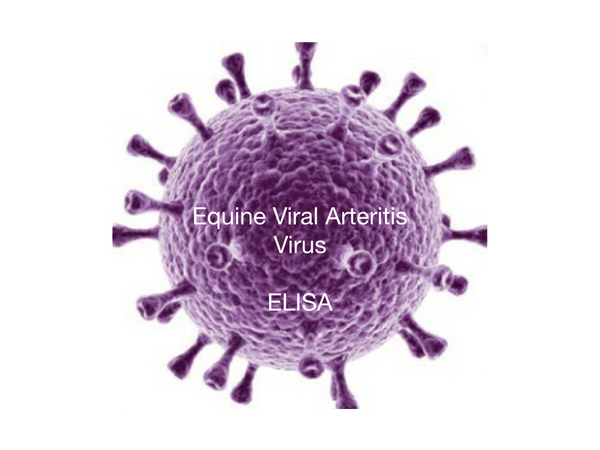
Equine Viral ArteritisELISA
Pathogen test This ELISA test detects antibodies to Equine Viral Arteritis (EVA) virus. Sample 5 mL - blood - serum tube Turnaround time 2 to 5 working days What is Equine Viral Arteritis? Equine viral arteritis (EVA) is an economically important viral disease of equids. Stallions can become long term carriers of the virus, and transmit it during breeding. Although carrier stallions can be bred if precautions are taken, the need to mate them with seropositive or vaccinated mares decreases their desirability as breeders. Acute illness also occurs in some horses. Although deaths are very rare in healthy adults, pregnant mares that become infected may abort, and very young foals may die of fulminating pneumonia and enteritis. Equine viral arteritis has recently increased in prevalence, possibly due to increased transportation of horses and semen. Clinical signs Most EAV infections, especially those that occur in mares bred to long-term carriers, are asymptomatic. The clinical signs are generally more severe in old or very young animals, and in horses that are immunocompromised or in poor condition. Fulminant infections with severe interstitial pneumonia and/ or enteritis can be seen in foals up to a few months of age. Systemic illness also occurs in some adults. In adult horses, the clinical signs may include fever, depression, anorexia, limb edema (particularly in the hindlimbs), and dependent edema of the prepuce, scrotum, mammary gland and/or ventral body wall. Conjunctivitis, photophobia, periorbital or supraorbital edema and rhinitis can also be seen. Abortions or stillbirths can occur in mares that are pregnant when they are exposed. Abortions are not necessarily preceded by systemic signs. Temporary decreases in fertility, including reduced quality sperm and decreased libido, may be seen in stallions during the acute stage of the disease. Transmission Equine Arteritis Virus (EAV) can be transmitted by the respiratory and the venereal routes. Acutely affected horses excrete the virus in respiratory secretions; aerosol transmission is common when horses are gathered at racetracks, sales, shows and other events. This virus has also been found in urine and feces during the acute stage. It occurs in the reproductive tract of acutely infected mares, and both acutely and chronically infected stallions. In mares, EAV can be found in vaginal and uterine secretions, as well as in the ovary and oviduct, for a short period after infection. Mares infected late in pregnancy may give birth to infected foals. Stallions shed EAV in semen, and can carry the virus for years. Transmission from stallions can occur by natural service or artificial insemination. Some carriers may eventually clear the infection. True carrier states have not been reported in mares, geldings or sexually immature colts; however, EAV can occasionally be found for up to six months in the reproductive tract of older prepubertal colts. Equine arteritis virus can be transmitted on fomites including equipment, and may be spread mechanically by humans or animals. Semen remains infectious after freezing. Prevention Acutely infected horses should be isolated to prevent transmission in secretions and excretions. Precautions should also be taken to avoid spreading the virus on fomites. EAV is readily inactivated by detergents, common disinfectants and lipid solvents. No specific treatment is available; however, most healthy horses other than young foals recover on their own. Good nursing and symptomatic treatment should be used in severe cases. Vaccination can also help contain outbreaks. Venereal transmission can be controlled by good management and vaccination. To protect pregnant mares from abortion, they should be separated from other horses and maintained in small groups according to their predicted foaling dates. Newly acquired horses should be isolated for 3 to 4 weeks. Vaccination appears to prevent uninfected stallions from becoming long term carriers. Stallions that are not carriers should be vaccinated before the start of the breeding season. Prepubertal colts are given the vaccine when they are 6-12 months old. Carrier stallions are identified and bred only to well vaccinated or naturally seropositive mares. Similarly, semen that contains EAV should be used only in these mares. Because first-time vaccinates may shed field viruses for a short time after exposure, these mares should be isolated from seronegative horses, particularly pregnant mares, for three weeks after breeding. Naturally infected mares and those that are not first-time vaccinates are isolated for 24-48 hours, to protect other horses from the viruses present in semen. Carrier stallions should be housed where they can be physically separated from uninfected horses; in one case, stallions apparently became infected by indirect exposure to semen. However, this appears to be rare. EAV is sensitive to sunlight and low humidity, and uninfected stallions have been kept near carriers for years without infection. Excellent hygiene and decontamination of fomites should be practiced when breeding infected horses or collecting semen.
£39.00
-
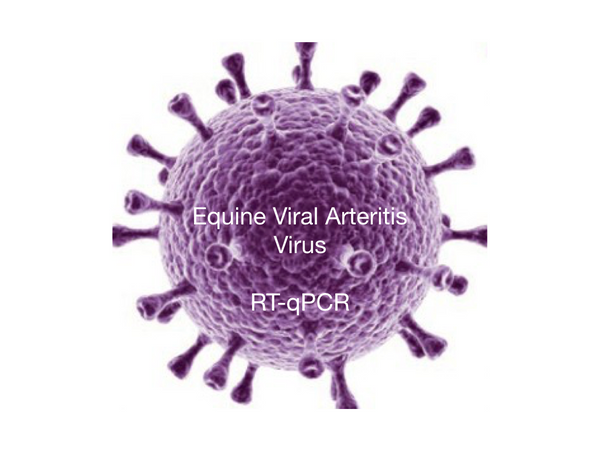
Equine Viral Arteritis RTqPCR
Pathogen test This RT-qPCR test detects the genome (RNA) to Equine Viral Arteritis (EVA) virus. Sample 5 mL - blood - K3 EDTA blood 10 mL - semen - sterile tube Turnaround time 2 to 5 working days What is Equine Viral Arteritis? Equine viral arteritis (EVA) is an economically important viral disease of equids. Stallions can become long term carriers of the virus, and transmit it during breeding. Although carrier stallions can be bred if precautions are taken, the need to mate them with seropositive or vaccinated mares decreases their desirability as breeders. Acute illness also occurs in some horses. Although deaths are very rare in healthy adults, pregnant mares that become infected may abort, and very young foals may die of fulminating pneumonia and enteritis. Equine viral arteritis has recently increased in prevalence, possibly due to increased transportation of horses and semen. Clinical signs Most EAV infections, especially those that occur in mares bred to long-term carriers, are asymptomatic. The clinical signs are generally more severe in old or very young animals, and in horses that are immunocompromised or in poor condition. Fulminant infections with severe interstitial pneumonia and/ or enteritis can be seen in foals up to a few months of age. Systemic illness also occurs in some adults. In adult horses, the clinical signs may include fever, depression, anorexia, limb edema (particularly in the hindlimbs), and dependent edema of the prepuce, scrotum, mammary gland and/or ventral body wall. Conjunctivitis, photophobia, periorbital or supraorbital edema and rhinitis can also be seen. Abortions or stillbirths can occur in mares that are pregnant when they are exposed. Abortions are not necessarily preceded by systemic signs. Temporary decreases in fertility, including reduced quality sperm and decreased libido, may be seen in stallions during the acute stage of the disease. Transmission Equine Arteritis Virus (EAV) can be transmitted by the respiratory and the venereal routes. Acutely affected horses excrete the virus in respiratory secretions; aerosol transmission is common when horses are gathered at racetracks, sales, shows and other events. This virus has also been found in urine and feces during the acute stage. It occurs in the reproductive tract of acutely infected mares, and both acutely and chronically infected stallions. In mares, EAV can be found in vaginal and uterine secretions, as well as in the ovary and oviduct, for a short period after infection. Mares infected late in pregnancy may give birth to infected foals. Stallions shed EAV in semen, and can carry the virus for years. Transmission from stallions can occur by natural service or artificial insemination. Some carriers may eventually clear the infection. True carrier states have not been reported in mares, geldings or sexually immature colts; however, EAV can occasionally be found for up to six months in the reproductive tract of older prepubertal colts. Equine arteritis virus can be transmitted on fomites including equipment, and may be spread mechanically by humans or animals. Semen remains infectious after freezing. Prevention Acutely infected horses should be isolated to prevent transmission in secretions and excretions. Precautions should also be taken to avoid spreading the virus on fomites. EAV is readily inactivated by detergents, common disinfectants and lipid solvents. No specific treatment is available; however, most healthy horses other than young foals recover on their own. Good nursing and symptomatic treatment should be used in severe cases. Vaccination can also help contain outbreaks. Venereal transmission can be controlled by good management and vaccination. To protect pregnant mares from abortion, they should be separated from other horses and maintained in small groups according to their predicted foaling dates. Newly acquired horses should be isolated for 3 to 4 weeks. Vaccination appears to prevent uninfected stallions from becoming long term carriers. Stallions that are not carriers should be vaccinated before the start of the breeding season. Prepubertal colts are given the vaccine when they are 6-12 months old. Carrier stallions are identified and bred only to well vaccinated or naturally seropositive mares. Similarly, semen that contains EAV should be used only in these mares. Because first-time vaccinates may shed field viruses for a short time after exposure, these mares should be isolated from seronegative horses, particularly pregnant mares, for three weeks after breeding. Naturally infected mares and those that are not first-time vaccinates are isolated for 24-48 hours, to protect other horses from the viruses present in semen. Carrier stallions should be housed where they can be physically separated from uninfected horses; in one case, stallions apparently became infected by indirect exposure to semen. However, this appears to be rare. EAV is sensitive to sunlight and low humidity, and uninfected stallions have been kept near carriers for years without infection. Excellent hygiene and decontamination of fomites should be practiced when breeding infected horses or collecting semen.
£55.00
-
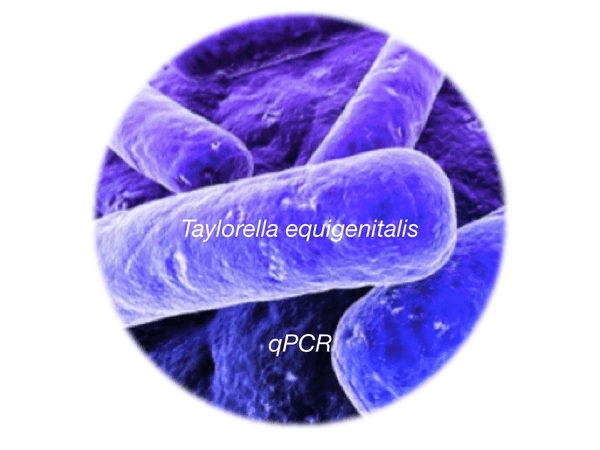
Contagious Equine Metritis Organism (CEMO), qPCR
Pathogen test This PCR test detects the genome (DNA) of Taylorella equigenitalis the most comum bacteria responsible for the Contagious Equine Metritis. Sample 3 genital swabs - swab Amies transport with charcoal. Clitoral fossa – use standard swab with Amies culture and transport system Clitoral sinuses swabbed – use Minitip Amies culture and transport system. Openings to the sinuses are on the dorsum of the clitoris - the central one is usually always present whereas the lateral sinuses may be multiple or not be present. Swab all that are present. Either cervical (closed cervix if pregnant or mid-cycle) or endometrial (while in estrus or true anestrus) swab – use guarded 25” swab. Turnaround time 2 to 5 working days What is Contagious Equine Metritis? Contagious equine metritis is an inflammatory disease of the proximal and distal reproductive tract of the mare caused by Taylorella equigenitalis, which usually results in temporary infertility. It is a nonsystemic infection, the effects of which are restricted to the reproductive tract of the mare. Clinical signs When present, general clinical signs include endometritis, cervicitis and vaginitis of variable severity and a slight to copious mucopurulent vaginal discharge. In mares there are two states of infection: The active state in which the main outward sign is a vulval discharge, which may range from very mild to extremely profuse. The carrier state in which there are no outward signs of infection. However, the mare remains capable of transmitting infection because the bacteria are established on the surface of the clitoris, the clitoral fossa and sinuses and, in the case of pneumoniae and P. aeruginosa, sometimes in the urethra and bladder. In stallions: (‘stallion’ means mating stallions, teasers and stallions used for AI) Infected stallions do not usually show clinical signs of infection but the bacteria are present on their penis, sheath and. These stallions can infect mares during mating, teasing or AI. Occasionally, the bacteria may invade the stallion’s sex glands, causing pus and bacteria to contaminate the semen. Transmission Direct venereal contact during natural mating presents the highest risk for the transmission of equigenitalis from a contaminated stallion or an infected mare. Direct venereal transmission can also take place by artificial insemination using infective raw, chilled and possibly frozen semen. Indirectly, infection may be acquired through fomite transmission, manual contamination, inadequate observance of appropriate biosecurity measures at the time of breeding and at semen- collection centres. Stallions can become asymptomatic carriers of equigenitalis. The principal sites of colonisation by the bacterium are the urogenital membranes (urethral fossa, urethral sinus, terminal urethra and penile sheath). The sites of persistence of equigenitalis in the majority of carrier mares are the clitoral sinuses and fossa and infrequently the uterus. Foals born of carrier mares may also become carriers. The organism can infect equid species other than horses, e.g. donkeys. Prevention If infection with equigenitalis is suspected in any mare, stallion or teaser on the basis of clinical signs, all breeding activities must cease immediately. The affected horse(s) should be isolated and swabbed by the attending veterinary surgeon. Arrange swabbing of any at risk horse. Disinfect all equipment used for breeding procedures. Inform all owners of mares booked to the stallion, including any which have already left the premises; Inform people to whom semen from the stallion has been sent; Arrange for one straw from every ejaculate of stored semen from infected and at risk stallions to be tested by a laboratory. If a straw from any ejaculate is infected, all straws from that ejaculate should be destroyed; Any at risk pregnant mare must be foaled in isolation. The placenta must be incinerated. Foals born to these mares should be swabbed three times, at intervals of not less than seven days, before three months of age. Any mares with an abnormal vaginal exudate, or returning to oestrus prematurely, should be investigated and managed as though infected with equigenitalis until results of laboratory testing prove otherwise. If carriers of equigenitalis are detected, the organism can be eliminated by treatment with systemic and/or local antibiotics combined with antiseptic washing of the sites of persistence in the mare and the stallion.
£66.00
-
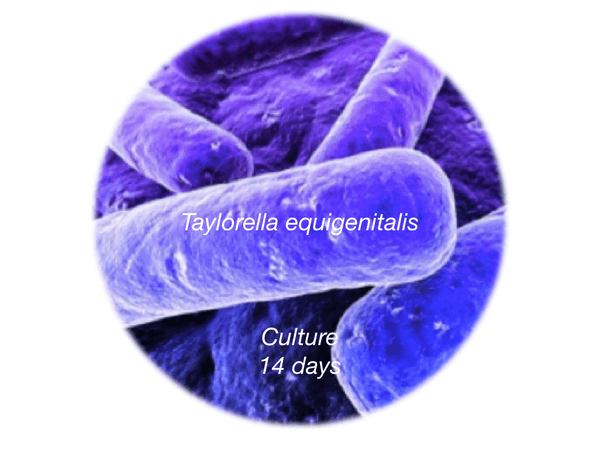
Contagious Equine Metritis Organism (CEMO), 14d Culture
This culture test detects the presence Taylorella equigenitalis by culturing, the most common bacteria responsible for the Contagious Equine Metritis. Sample requirements 2 or 3 genital swabs - swab Amies transport with charcoal. Clitoral fossa – use standard swab with Amies culture and transport system Clitoral sinuses swabbed – use Minitip Amies culture and transport system. Openings to the sinuses are on the dorsum of the clitoris - the central one is usually always present whereas the lateral sinuses may be multiple or not be present. Swab all that are present. Either cervical (closed cervix if pregnant or mid-cycle) or endometrial (while in estrus or true anestrus) swab – use guarded 25” swab. NOTE: Schedule all CEM culture submissions in advance with the laboratory. Multiple culture instances are often required and timing is critical. Official CEM testing generally involves multiple sets of samples taken on multiple days. Exact sampling schedules need to be confirmed with appropriate regulatory agencies in advance of testing. Horses cannot be tested while being treated and for a period of time after treatment with antibiotics. Turnaround time 14 working days What is Contagious Equine Metritis? Contagious equine metritis is an inflammatory disease of the proximal and distal reproductive tract of the mare caused by Taylorella equigenitalis, which usually results in temporary infertility. It is a nonsystemic infection, the effects of which are restricted to the reproductive tract of the mare. Clinical signs When present, general clinical signs include endometritis, cervicitis and vaginitis of variable severity and a slight to copious mucopurulent vaginal discharge. In mares there are two states of infection: The active state in which the main outward sign is a vulval discharge, which may range from very mild to extremely profuse. The carrier state in which there are no outward signs of infection. However, the mare remains capable of transmitting infection because the bacteria are established on the surface of the clitoris, the clitoral fossa and sinuses and, in the case of pneumoniae and P. aeruginosa, sometimes in the urethra and bladder. In stallions: (‘stallion’ means mating stallions, teasers and stallions used for AI) Infected stallions do not usually show clinical signs of infection but the bacteria are present on their penis, sheath and. These stallions can infect mares during mating, teasing or AI. Occasionally, the bacteria may invade the stallion’s sex glands, causing pus and bacteria to contaminate the semen. Transmission Direct venereal contact during natural mating presents the highest risk for the transmission of equigenitalis from a contaminated stallion or an infected mare. Direct venereal transmission can also take place by artificial insemination using infective raw, chilled and possibly frozen semen. Indirectly, infection may be acquired through fomite transmission, manual contamination, inadequate observance of appropriate biosecurity measures at the time of breeding and at semen- collection centres. Stallions can become asymptomatic carriers of equigenitalis. The principal sites of colonisation by the bacterium are the urogenital membranes (urethral fossa, urethral sinus, terminal urethra and penile sheath). The sites of persistence of equigenitalis in the majority of carrier mares are the clitoral sinuses and fossa and infrequently the uterus. Foals born of carrier mares may also become carriers. The organism can infect equid species other than horses, e.g. donkeys. Prevention If infection with equigenitalis is suspected in any mare, stallion or teaser on the basis of clinical signs, all breeding activities must cease immediately. The affected horse(s) should be isolated and swabbed by the attending veterinary surgeon. Arrange swabbing of any at risk horse. Disinfect all equipment used for breeding procedures. Inform all owners of mares booked to the stallion, including any which have already left the premises; Inform people to whom semen from the stallion has been sent; Arrange for one straw from every ejaculate of stored semen from infected and at risk stallions to be tested by a laboratory. If a straw from any ejaculate is infected, all straws from that ejaculate should be destroyed; Any at risk pregnant mare must be foaled in isolation. The placenta must be incinerated. Foals born to these mares should be swabbed three times, at intervals of not less than seven days, before three months of age. Any mares with an abnormal vaginal exudate, or returning to oestrus prematurely, should be investigated and managed as though infected with equigenitalis until results of laboratory testing prove otherwise. If carriers of equigenitalis are detected, the organism can be eliminated by treatment with systemic and/or local antibiotics combined with antiseptic washing of the sites of persistence in the mare and the stallion.
£87.00
-
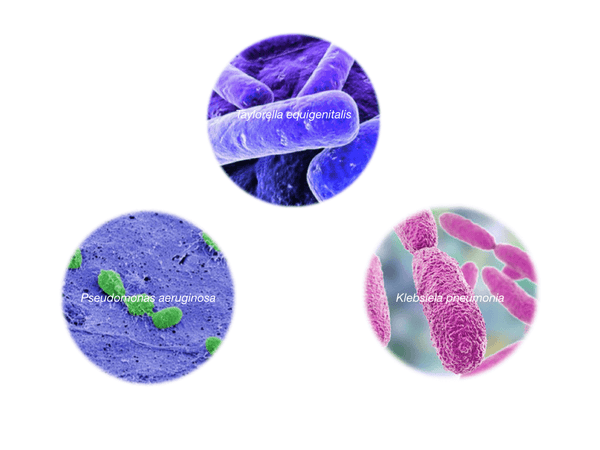
Contagious Equine Metritis (CEM), 7d Culture
Screening of 3 pathogens responsible for Contagious Equine Metritis (CEM): Taylorella equigenitalis by Culture over 7 days Pseudomonas aeruginosa, Culture Klebsiela pneumonia, Culture Sample 2 or 3 genital swabs in swab Amies transport medium with charcoal. Clitoral fossa – use standard swab with Amies culture and transport system Clitoral sinuses swabbed – use Minitip Amies culture and transport system. Openings to the sinuses are on the dorsum of the clitoris - the central one is usually always present whereas the lateral sinuses may be multiple or not be present. Swab all that are present. Either cervical (closed cervix if pregnant or mid-cycle) or endometrial (while in estrus or true anestrus) swab – use guarded 25” swab. NOTE: Schedule all CEM culture submissions in advance with the laboratory. Multiple culture instances are often required and timing is critical. Official CEM testing generally involves multiple sets of samples taken on multiple days. Exact sampling schedules need to be confirmed with appropriate regulatory agencies in advance of testing. Horses cannot be tested while being treated and for a period of time after treatment with antibiotics. Turnaround time 7 working days What is Contagious Equine Metritis? Contagious equine metritis is an inflammatory disease of the proximal and distal reproductive tract of the mare caused by Taylorella equigenitalis, which usually results in temporary infertility. It is a nonsystemic infection, the effects of which are restricted to the reproductive tract of the mare. Clinical signs When present, general clinical signs include endometritis, cervicitis and vaginitis of variable severity and a slight to copious mucopurulent vaginal discharge. In mares there are two states of infection: The active state in which the main outward sign is a vulval discharge, which may range from very mild to extremely profuse. The carrier state in which there are no outward signs of infection. However, the mare remains capable of transmitting infection because the bacteria are established on the surface of the clitoris, the clitoral fossa and sinuses and, in the case of pneumoniae and P. aeruginosa, sometimes in the urethra and bladder. In stallions: (‘stallion’ means mating stallions, teasers and stallions used for AI) Infected stallions do not usually show clinical signs of infection but the bacteria are present on their penis, sheath and. These stallions can infect mares during mating, teasing or AI. Occasionally, the bacteria may invade the stallion’s sex glands, causing pus and bacteria to contaminate the semen. Transmission Direct venereal contact during natural mating presents the highest risk for the transmission of equigenitalis from a contaminated stallion or an infected mare. Direct venereal transmission can also take place by artificial insemination using infective raw, chilled and possibly frozen semen. Indirectly, infection may be acquired through fomite transmission, manual contamination, inadequate observance of appropriate biosecurity measures at the time of breeding and at semen- collection centres. Stallions can become asymptomatic carriers of equigenitalis. The principal sites of colonisation by the bacterium are the urogenital membranes (urethral fossa, urethral sinus, terminal urethra and penile sheath). The sites of persistence of equigenitalis in the majority of carrier mares are the clitoral sinuses and fossa and infrequently the uterus. Foals born of carrier mares may also become carriers. The organism can infect equid species other than horses, e.g. donkeys. Prevention If infection with equigenitalis is suspected in any mare, stallion or teaser on the basis of clinical signs, all breeding activities must cease immediately. The affected horse(s) should be isolated and swabbed by the attending veterinary surgeon. Arrange swabbing of any at risk horse. Disinfect all equipment used for breeding procedures. Inform all owners of mares booked to the stallion, including any which have already left the premises; Inform people to whom semen from the stallion has been sent; Arrange for one straw from every ejaculate of stored semen from infected and at risk stallions to be tested by a laboratory. If a straw from any ejaculate is infected, all straws from that ejaculate should be destroyed; Any at risk pregnant mare must be foaled in isolation. The placenta must be incinerated. Foals born to these mares should be swabbed three times, at intervals of not less than seven days, before three months of age. Any mares with an abnormal vaginal exudate, or returning to oestrus prematurely, should be investigated and managed as though infected with equigenitalis until results of laboratory testing prove otherwise. If carriers of equigenitalis are detected, the organism can be eliminated by treatment with systemic and/or local antibiotics combined with antiseptic washing of the sites of persistence in the mare and the stallion.
£80.00
-
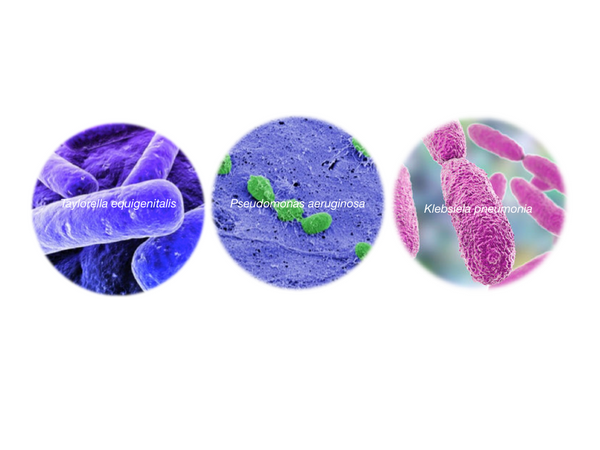
Contagious Equine Metritis (CEM), 14d Culture
Screening of 3 pathogens responsible for Contagious Equine Metritis (CEM): Taylorella equigenitalis by culture over 14 days Pseudomonas aeruginosa by culture Klebsiela pneumonia by culture Sample requirements 2 or 3 genital swabs in Amies transport medium with charcoal. Clitoral fossa – use standard swab with Amies culture and transport system Clitoral sinuses swabbed – use Minitip Amies culture and transport system. Openings to the sinuses are on the dorsum of the clitoris - the central one is usually always present whereas the lateral sinuses may be multiple or not be present. Swab all that are present. Either cervical (closed cervix if pregnant or mid-cycle) or endometrial (while in estrus or true anestrus) swab – use guarded 25” swab. NOTE: Schedule all CEM culture submissions in advance with the laboratory. Multiple culture instances are often required and timing is critical. Official CEM testing generally involves multiple sets of samples taken on multiple days. Exact sampling schedules need to be confirmed with appropriate regulatory agencies in advance of testing. Horses cannot be tested while being treated and for a period of time after treatment with antibiotics. Turnaround time 14 working days What is Contagious Equine Metritis? Contagious equine metritis is an inflammatory disease of the proximal and distal reproductive tract of the mare caused by Taylorella equigenitalis, which usually results in temporary infertility. It is a nonsystemic infection, the effects of which are restricted to the reproductive tract of the mare. Clinical signs When present, general clinical signs include endometritis, cervicitis and vaginitis of variable severity and a slight to copious mucopurulent vaginal discharge. In mares there are two states of infection: The active state in which the main outward sign is a vulval discharge, which may range from very mild to extremely profuse. The carrier state in which there are no outward signs of infection. However, the mare remains capable of transmitting infection because the bacteria are established on the surface of the clitoris, the clitoral fossa and sinuses and, in the case of pneumoniae and P. aeruginosa, sometimes in the urethra and bladder. In stallions: (‘stallion’ means mating stallions, teasers and stallions used for AI) Infected stallions do not usually show clinical signs of infection but the bacteria are present on their penis, sheath and. These stallions can infect mares during mating, teasing or AI. Occasionally, the bacteria may invade the stallion’s sex glands, causing pus and bacteria to contaminate the semen. Transmission Direct venereal contact during natural mating presents the highest risk for the transmission of equigenitalis from a contaminated stallion or an infected mare. Direct venereal transmission can also take place by artificial insemination using infective raw, chilled and possibly frozen semen. Indirectly, infection may be acquired through fomite transmission, manual contamination, inadequate observance of appropriate biosecurity measures at the time of breeding and at semen- collection centres. Stallions can become asymptomatic carriers of equigenitalis. The principal sites of colonisation by the bacterium are the urogenital membranes (urethral fossa, urethral sinus, terminal urethra and penile sheath). The sites of persistence of equigenitalis in the majority of carrier mares are the clitoral sinuses and fossa and infrequently the uterus. Foals born of carrier mares may also become carriers. The organism can infect equid species other than horses, e.g. donkeys. Prevention If infection with equigenitalis is suspected in any mare, stallion or teaser on the basis of clinical signs, all breeding activities must cease immediately. The affected horse(s) should be isolated and swabbed by the attending veterinary surgeon. Arrange swabbing of any at risk horse. Disinfect all equipment used for breeding procedures. Inform all owners of mares booked to the stallion, including any which have already left the premises; Inform people to whom semen from the stallion has been sent; Arrange for one straw from every ejaculate of stored semen from infected and at risk stallions to be tested by a laboratory. If a straw from any ejaculate is infected, all straws from that ejaculate should be destroyed; Any at risk pregnant mare must be foaled in isolation. The placenta must be incinerated. Foals born to these mares should be swabbed three times, at intervals of not less than seven days, before three months of age. Any mares with an abnormal vaginal exudate, or returning to oestrus prematurely, should be investigated and managed as though infected with equigenitalis until results of laboratory testing prove otherwise. If carriers of equigenitalis are detected, the organism can be eliminated by treatment with systemic and/or local antibiotics combined with antiseptic washing of the sites of persistence in the mare and the stallion.
£89.00
-
Chlamydiosis, qPCR
Pathogen test The PCR test detects the genome (DNA) of the Clamydia psittaci, the bacteria responsible for Chlamydiosis. Sample 1 genital swabs - sterile swab 20 gr - placental or foetal tissues - sterile flask 5 mL - blood - K3 EDTA tube Turnaround time 2 to 5 working days What is Chlamydiosis? Chlamydia psittaci is a bacterium carried by birds. It can cause a respiratory disease in people called Psittacosis and has also been linked to abortion in mares.
£49.00
-
Salmonellosis qPCR
Pathogen test The PCR test detects the genome (DNA) of the Salmonella serovar abortus-equi, the bacteria responsible for Salmonellosis and abortion in equines. Sample 1 genital swabs - sterile swab and/or 20 gr - placental or foetal tissues - sterile flask and/or 5 mL - blood - K3 EDTA tube Turnaround time 2 to 5 working days What is Salmonellosis? Contagious and zoonotic bacterial infection caused by Salmonella spp, of which there are >2500 serotypes. Clinical signs Abortion with infection by Salmonella serovar abortus-equi. Clinically normal horses can transiently shed Salmonella, with shedding more common during: Concurrent illness: antibacterial usage, physiological disturbance Stress: transportation, social, nutritional Gastrointestinal disturbance: motility (especially colic), feed change Diarrhoea (soft feces to projectile, watery diarrhoea) is most common, however, horses may have normal feces Fever (patient may have normal temperature, especially if treated with NSAIDs) Lethargy Anorexia Colic Localised infection (e.g. joint or bone infection) Sepsis/septic shock Laminitis as a common sequel to enterocolitis Foals are commonly more seriously affected when compared to older horses, with profound systemic illness including: Hemorrhagic diarrhoea Pneumonia Meningitis Physitis Septic arthritis Transmission Fecal-oral spread Ingestion of contaminated material (pasture, roughage, feed or water) Fomites are a significant means of indirect transmission of infection Intermittent shedding by subclinically infected horses Aerosol transmission has been suspected in other species; evidence of this route in horses is lacking Prevention Measures Biosecurity Guidelines Quarantine horses that develop diarrhoea and/or fever. If a separate stall or paddock is not available, establish barrier precautions at their current location Isolate horses following significant colic episodes, impactions (notably small colon), or colic surgery to reduce environmental contamination and potential exposure of other horses should Salmonella subsequently be recovered on fecal culture Prevent horses that have come in contact with known infected or clinical cases from mixing with the general population Contaminated stall and equipment should have all organic material removed. Dispose of organic matter in a manner which prevents contamination of the facility (do not spread on pastures). Disinfection can be performed after all organic matter has been removed and the surfaces cleaned. Pressure washers or hoses should not be used as they can aerosolise Salmonella, potentially contaminating other parts of the facility or infecting a susceptible horse or human No commercially available validated vaccine is currently marketed. For animals with positive cultures while clinically ill: Before removing restrictions, following resolution of clinical signs, conduct a series of fecal cultures (see Diagnostic Sampling, Testing and Handling) to determine if all negative Where culture is not performed, isolation up to 30 days may be required to minimize risk of exposure of other horses from convalescent shedding of previously infected horses following the cessation of clinical signs (fever, diarrhoea). • Isolate horse for 30 days from resident horses Obtain 5 consecutive negative fecal cultures prior to releasing horse into the general population Prior to entry into the general population the horse should be housed in an environment that can be thoroughly cleaned and disinfected If the horse is turned out in a paddock, manure should be promptly removed and appropriately disposed of in a manner that avoids potential contamination of other areas of the facility. Caretakers should wear personal protective equipment. After the horse is released, the paddock should be harrowed to encourage drying and kept unused for 30 days
£49.00