24 products

  • WFFS/FFS & PSSM1 - DNA Test bundle

    WFFS/FFS & PSSM1 - DNA Test bundle

      DNA Test Bundle: PSSM1 & WFFS Discover Peace of Mind with Precision Equine Genetics. Our DNA test bundle offers a comprehensive genetic screening for Polysaccharide Storage Myopathy Type 1 (PSSM1) and Warmblood Fragile Foal Syndrome (WFFS), empowering you with essential information for the wellbeing of your equine companion. Tests Included PSSM1 Genetic Test: Uncover the presence of the specific allele at the GYS1 locus responsible for PSSM1, a condition affecting muscle metabolism in horses. Early detection can guide management and care. Learn more about the PSSM1 test here. WFFS Genetic Test: This test identifies the allele at the PLOD1 locus responsible for Warmblood Fragile Foal Syndrome (WFFS). Knowing your horse's genetic status aids in making informed breeding decisions. Further details on the WFFS test can be found here. Sample Collection 20-30 hair roots. Tape the hair to the printable sample submission form. Alternatively, 5 mL blood in an EDTA tube. Send the tube with the printable sample submission form. Turnaround Time Standard Processing: Results in 5 working days after sample arrival at the laboratory. Clients organize and cover the costs of sending the samples. Premium Processing: Results in 2 working days after sample arrival. This service includes free express delivery. For an additional fee of €35, the laboratory arranges express shipping with package pick-up from your address (available for non-remote regions). For premium processing, please contact the laboratory at support@equigerminal.pt for further assistance. Why Test? This genetic test helps breeders identify horses carrying the PSSM1 and WFFS alleles. Informed breeding choices can prevent the birth of affected foals. While PSSM1 affects muscle metabolism, WFFS is a fatal connective tissue disorder. Testing for these conditions is often required by studbooks and is highly recommended during pre-purchase exams to ensure the horse's health and performance. Learn More Results Description The DNA test results will be one of the following: PSSM1 n/n: Negative for PSSM1. No affected allele present. PSSM1 n/P1: Positive heterozygous for PSSM1. One mutated allele present. The horse can pass the PSSM1 allele to 50% of its progeny. PSSM1 P1/P1: Positive homozygous for PSSM1. Two mutated alleles present. The horse will pass the PSSM1 allele to 100% of its offspring. WFFS n/n: Negative for WFFS. No affected allele present. WFFS n/WFFS: Carrier for WFFS. One copy of the mutated allele present. The horse can pass the WFFS allele to 50% of its progeny. WFFS WFFS/WFFS: Positive for WFFS. Two copies of the mutated allele present. The foal will exhibit severe clinical signs and must be euthanized shortly after birth due to the untreatable nature of the disease. Such foals will not survive to adulthood and hence will not pass on the allele. Additional Information Polysaccharide Storage Myopathy (PSSM1) is a hereditary muscle disease affecting many breeds, caused by a mutation in the GYS1 gene. Warmblood Fragile Foal Syndrome (WFFS) is a fatal genetic defect of connective tissue, resulting from a mutation in the PLOD1 gene. WFFS is characterized by hyperextensible, fragile skin and mucous membranes, leading to severe lesions and often resulting in euthanasia of affected foals shortly after birth. Both conditions can significantly impact a horse's health and performance, making genetic testing an essential tool for breeders and buyers. References Ablondi, M., et al. (2022). Performance of Swedish Warmblood fragile foal syndrome carriers and breeding prospects. Genet Sel Evol 54, 4.Rowe, Á., et al. (2021). Warmblood fragile foal syndrome causative single nucleotide polymorphism frequency in horses in Ireland. Ir Vet J 74, 27.Dias, N. M., et al. (2019). Dias, N. M., et al. (2019). Warmblood Fragile Foal Syndrome causative single nucleotide polymorphism frequency in Warmblood horses in Brazil. Vet J 248, 101–102.Hoelzle, L., et al. (2020). Distribution of the Warmblood Fragile Foal Syndrome Type 1 Mutation (PLOD1 c.2032G>A) in Different Horse Breeds from Europe and the United States. Genes 11(12), 1518. Check our FAQs for more information FAQs What breeds are affected by PSSM1 and WFFS? PSSM1 affects many breeds, including Quarter Horses, Belgian Draft Horses, and Warmbloods. WFFS primarily affects Warmbloods but has also been detected in breeds like Thoroughbreds, Knabstruppers, Haflingers, and American Sport Ponies. How are PSSM1 and WFFS inherited? PSSM1 is inherited in an autosomal dominant manner, meaning horses with one (n/P1) or two (P1/P1) copies of the mutated gene can develop the disease. WFFS is inherited as an autosomal recessive trait, requiring two copies of the mutated gene (WFFS/WFFS) for the disease to manifest. Affected foals with two copies of the WFFS mutation will not survive to adulthood and must be euthanized shortly after birth. How can PSSM1 and WFFS be managed? PSSM1 management includes dietary modifications to reduce starch and sugar intake, and a consistent exercise regimen. WFFS, however, is a lethal condition with no cure, emphasizing the importance of genetic testing to inform breeding decisions and avoid producing affected foals. Visit our full FAQ page for more details.

    £65.00

  • Hereditary Equine Regional Dermal Asthenia - HERDA - Equigerminal

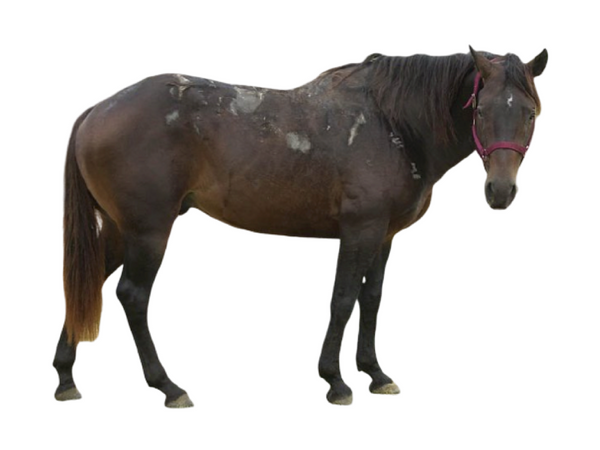
    HERDA Hereditary Equine Regional Dermal Asthenia

    DNA test DNA test for Hereditary Equine Regional Dermal Asthenia (HERDA). This test verifies the presence of the recessive HERDA gene. Sample 30 to 40 - hair roots - envelope or 5 mL - blood - K3 EDTA tube Turnaround time 2 to 5  working days Why test? This DNA test helps breeders to identify horses that carrying the HERDA recessive mutation. Informed choices can be made for breeding selections, and prevent the born of affected foals. Results description  The DNA test verifies the presence of the recessive HERDA gene and presents results as one of the following:     N/ - Negative for HERDA. Absence of the defective gene responsible for HERDA. N/HERDA - Carrier - Positive heterozygous for HERDA. Presence of one copy of the allele responsible for HERDA.  The horse is a carrier for HERDA and can pass on a copy of HERDA allele to their progeny when bred. HERDA/ - Positive Homozygous for HERDA. Presence of two copies of the allele responsible for HERDA.  The horse is affected by  HERDA disorder and can pass the HERDA allele to 100% of their progeny when bred. Additional information Hereditary equine regional dermal asthenia (HERDA) is a genetic skin disease predominantly found in the American Quarter Horse. Within the breed, the disease is prevalent in particular lines of cutting horses. HERDA is characterised by hyper-extensible skin, scarring, and severe lesions along the back of affected horses. Affected foals rarely show symptoms at birth. The condition typically occurs by the age of two, most notably when the horse is first being broke to saddle. There is no cure, and the majority of diagnosed horses are euthanised because they are unable to be ridden and are inappropriate for future breeding. HERDA has an autosomal recessive mode of inheritance and affects stallions and mares in equal proportions.

    £38.00

  • Equine Herpesvirus Type 1 & Equine Herpesvirus Type 4, qPCR - Equigerminal

    Equine Herpesvirus Type 1 & Equine Herpesvirus Type 4, qPCR

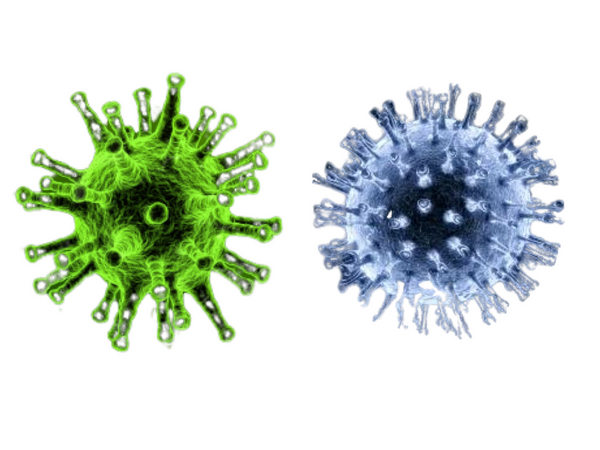
    Pathogen test  Two qPCR test, one that detects the genome (DNA) of  Equine Herpesvirus Type 1 (EHV-1) and one that detects the genome (DNA) of Equine Herpesvirus Type 4 (EHV-4). Sample 1 nasal or nasopharyngeal swab ( see AAEP guidelines)  and 5 mL - K3 EDTA tube Turnaround time 2 to 5 working days 24-48h - please contact lab  Our lab is approved by FEI for EHV-1 testing. What is Herpesvirus Type 1? more info here What is Herpesvirus Type 4? more info here

    £76.00

  • Contagious Equine Metritis (CEM), qPCR - Equigerminal

    Contagious Equine Metritis (CEM), qPCR

    1 review

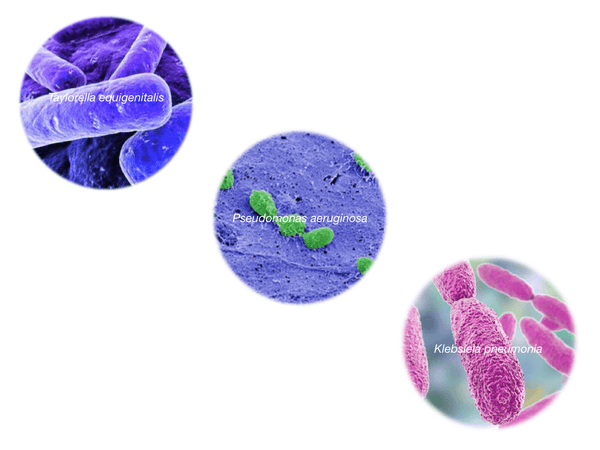
      Screening of 3 pathogens responsible Contagious Equine Metritis (CEM):  Taylorella equigenitalis, qPCR Pseudomonas aeruginosa, qPCR Klebsiela pneumonia, qPCR Sample requirements 2 or 3 genital swabs -  use standard swab in dry swabs or transport media for molecular biology Clitoral fossa swab Clitoral sinuses swab. Openings to the sinuses are on the dorsum of the clitoris - the central one is usually always present whereas the lateral sinuses may be multiple or not be present. Swab all that are present. Either cervical (closed cervix if pregnant or mid-cycle) or endometrial (while in estrus or true anestrus) swab – use guarded 25” swab. Turnaround time 2 to 5  working days     What is Contagious Equine Metritis? Contagious equine metritis is an inflammatory disease of the proximal and distal reproductive tract of the mare caused by Taylorella equigenitalis, which usually results in temporary infertility. It is a nonsystemic infection, the effects of which are restricted to the reproductive tract of the mare. Clinical signs When present, general clinical signs include endometritis, cervicitis and vaginitis of variable severity and a slight to copious mucopurulent vaginal discharge. In mares there are two states of infection: The active state in which the main outward sign is a vulval discharge, which may range from very mild to extremely profuse. The carrier state in which there are no outward signs of infection. However, the mare remains capable of transmitting infection because the bacteria are established on the surface of the clitoris, the clitoral fossa and sinuses and, in the case of pneumoniae and P. aeruginosa, sometimes in the urethra and bladder. In stallions: (‘stallion’ means mating stallions, teasers and stallions used for AI) Infected stallions do not usually show clinical signs of infection but the bacteria are present on their penis, sheath and. These stallions can infect mares during mating, teasing or AI. Occasionally, the bacteria may invade the stallion’s sex glands, causing pus and bacteria to contaminate the semen. Transmission Direct venereal contact during natural mating presents the highest risk for the transmission of equigenitalis from a contaminated stallion or an infected mare. Direct venereal transmission can also take place by artificial insemination using infective raw, chilled and possibly frozen semen. Indirectly, infection may be acquired through fomite transmission, manual contamination, inadequate observance of appropriate biosecurity measures at the time of breeding and at semen- collection centres. Stallions can become asymptomatic carriers of equigenitalis. The principal sites of colonisation by the bacterium are the urogenital membranes (urethral fossa, urethral sinus, terminal urethra and penile sheath). The sites of persistence of equigenitalis in the majority of carrier mares are the clitoral sinuses and fossa and infrequently the uterus. Foals born of carrier mares may also become carriers. The organism can infect equid species other than horses, e.g. donkeys. Prevention If infection with equigenitalis is suspected in any mare, stallion or teaser on the basis of clinical signs, all breeding activities must cease immediately. The affected horse(s) should be isolated and swabbed by the attending veterinary surgeon. Arrange swabbing of any at risk horse. Disinfect all equipment used for breeding procedures. Inform all owners of mares booked to the stallion, including any which have already left the premises; Inform people to whom semen from the stallion has been sent; Arrange for one straw from every ejaculate of stored semen from infected and at risk stallions to be tested by a laboratory. If a straw from any ejaculate is infected, all straws from that ejaculate should be destroyed; Any at risk pregnant mare must be foaled in isolation. The placenta must be incinerated. Foals born to these mares should be swabbed three times, at intervals of not less than seven days, before three months of age. Any mares with an abnormal vaginal exudate, or returning to oestrus prematurely, should be investigated and managed as though infected with equigenitalis until results of laboratory testing prove otherwise. If carriers of equigenitalis are detected, the organism can be eliminated by treatment with systemic and/or local antibiotics combined with antiseptic washing of the sites of persistence in the mare and the stallion.  

    £88.00

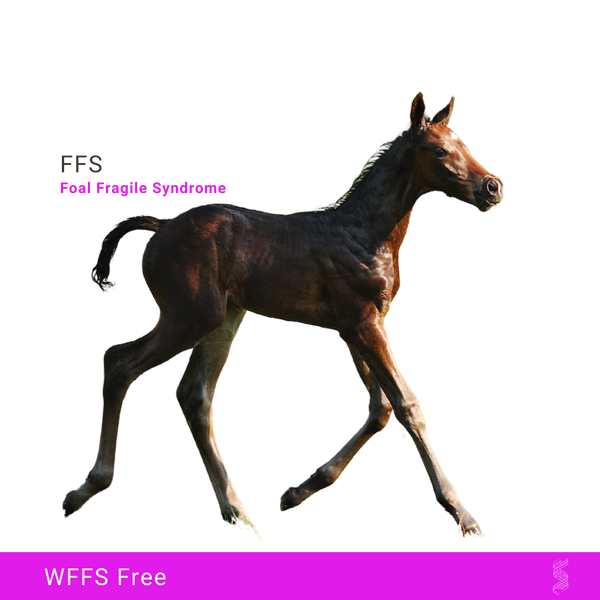
  • FFS (WFFS) Fragile Foal Syndrome

    FFS (WFFS) Fragile Foal Syndrome

      WFFS DNA Test Ensure the Health and Future of Your Horses with Accurate WFFS Testing. Our DNA test verifies the presence of the affected allele at the PLOD1 locus responsible for Warmblood Fragile Foal Syndrome (WFFS), also known as Fragile Foal Syndrome (FFS). Sample Requirements 30 to 40 hair roots - envelope Alternatively, 5 mL blood - K3 EDTA tube Turnaround Time 2 to 5 working days Results Description The DNA test verifies the presence of the affected allele at the PLOD1 locus responsible for WFFS and presents results as one of the following: n/n: Negative for WFFS. No affected allele present. The horse is not a carrier of the WFFS mutation. n/WFFS: Carrier, heterozygous for WFFS. One mutated allele present. The horse can pass the WFFS allele to 50% of its progeny when bred. WFFS/WFFS: Positive, homozygous for WFFS. Two mutated alleles present. The foal will exhibit severe clinical signs and must be euthanized shortly after birth due to the untreatable nature of the disease. Genetic Inheritance Warmblood Fragile Foal Syndrome (WFFS) is an inherited autosomal recessive disorder caused by a single mutation in the PLOD1 gene. Clinical Signs and Affected Breeds The disease is present at birth. Affected foals have skin that lacks tensile strength, characterized by tearing, ulceration, and other lesions from normal contact. Lesions are most noted on pressure points, gums, and other oral cavity mucous membranes. Limb joints are lax and hyper-extensible, making it difficult for affected foals to stand normally. WFFS/FFS is similar to Ehlers Danlos Syndrome (EDS) in humans. The mutation has been reported in Warmblood breeds (11-30% carriers) and at low frequency in Thoroughbreds (2.75% of Irish Thoroughbreds), as well as in Hanoverian, Selle Français, KWPN, Oldenburg, and Westphalians. Why Test? Testing for WFFS is crucial for breeders to make informed decisions. By identifying carriers and avoiding breeding two carriers together, the risk of producing affected foals can be minimized. This helps ensure the health and wellbeing of future generations of horses. Learn More Detailed Results Description The DNA test results will be one of the following: n/n: Negative for WFFS. No affected allele present. The horse is not a carrier of the WFFS mutation. n/WFFS: Carrier, heterozygous for WFFS. One mutated allele present. The horse can pass the WFFS allele to 50% of its progeny when bred. WFFS/WFFS: Positive, homozygous for WFFS. Two mutated alleles present. The foal will exhibit severe clinical signs and must be euthanized shortly after birth due to the untreatable nature of the disease. Additional Information Warmblood Fragile Foal Syndrome (WFFS) is a fatal genetic defect of connective tissue, resulting from a mutation in the PLOD1 gene. WFFS is characterized by hyperextensible, fragile skin and mucous membranes, leading to severe lesions and often resulting in euthanasia of affected foals shortly after birth. This condition significantly impacts a horse's health and performance, making genetic testing an essential tool for breeders and buyers. References References: Ablondi, M., et al. (2022). Performance of Swedish Warmblood fragile foal syndrome carriers and breeding prospects. Genet Sel Evol 54, 4. Rowe, Á., et al. (2021). Warmblood fragile foal syndrome causative single nucleotide polymorphism frequency in horses in Ireland. Ir Vet J 74, 27. Dias, N. M., et al. (2019). Warmblood Fragile Foal Syndrome causative single nucleotide polymorphism frequency in Warmblood horses in Brazil. Vet J 248, 101–102. Hoelzle, L., et al. (2020). Distribution of the Warmblood Fragile Foal Syndrome Type 1 Mutation (PLOD1 c.2032G>A) in Different Horse Breeds from Europe and the United States. Genes 11(12), 1518. Check our FAQs for more information FAQs What breeds are affected by WFFS? WFFS primarily affects Warmbloods but has also been detected in breeds like Thoroughbreds, Knabstruppers, Haflingers, and American Sport Ponies. How is WFFS inherited? WFFS is inherited as an autosomal recessive trait, requiring two copies of the mutated gene (WFFS/WFFS) for the disease to manifest. Affected foals with two copies of the WFFS mutation will not survive to adulthood and must be euthanized shortly after birth. How can WFFS be managed? Unfortunately, there is no cure for WFFS. The condition is lethal, and affected foals exhibit severe clinical signs shortly after birth. The best management strategy is through genetic testing to inform breeding decisions and avoid producing affected foals. Why is it important to test for WFFS? Testing for WFFS is crucial for breeders to make informed decisions. By identifying carriers and avoiding breeding two carriers together, the risk of producing affected foals can be minimized. This helps ensure the health and wellbeing of future generations of horses. Visit our full FAQ page for more details.

    £38.00

  • Glycogen Branching Enzyme Deficiency - GBED - Equigerminal

    GBED Glycogen Branching Enzyme Deficiency

    DNA test DNA test for the Glycogen Branching Enzyme Deficiency (GBED). This DNA test verifies the presence of the recessive GBED allele. Sample 30 to 40 - hair roots - envelope or 5 mL - blood - K3 EDTA tube Turnaround time 2 to 5  working days Why test? This DNA test identify inapparent carriers of the GBED fatal disorder.  In breeding selection is recommended to avoid the crossbreeding of two GBED inapparent carriers to prevent in utero abortion of foetus and the birth of foals affected by GBED.  To confirm GBED in affected foals. DNA testing provide important tools for informed choices about breeding selections to prevent abortion and the birth of affected foals.    Frequency and affected breeds More frequent in Paint Horses and Quarter horses related breeds. A prevalence of  7,1% and 8,3% in the Paint and Quarter Horse breeds, respectively (Wagner et al., 2006).   Results description The DNA test verifies the presence of the recessive GBED alleles and presents results as one of the following:  N/ - Negative for GBED. Absence of the defective allele responsible for GBED. GBED/N - Carrier - Positive heterozygous for GBED. Presence of one copy of the allele responsible for GBED.  The horse is a carrier for GBED and can pass on a copy of GBED allele to their progeny when bred. GBED/ - Affected - Positive Homozygous for GBED. Presence of two copies of the allele responsible for GBED.  The animal is affected by GBED disorder. GBED is lethal causing abortion and/or  neonatal mortality.   Additional information Glycogen Branching Enzyme Deficiency (GBED) fatal condition caused by an autosomal recessive genetic disorder that results in the bodies' inability to properly store sugar in the glycogen form. In a normal horse, the body stores sugar as energy by converting glucose to glycogen. This genetic disorder  affects the production of the enzyme needed to branch the glycogen structure, preventing the horse from being able to adequately store sugar in the glycogen form. This means that the horse will not be able to store enough energy to fuel important organs, such as the muscles and brain. Unfortunately, GBED is always fatal.  GBED often causes the foetus to be aborted in utero. When born most affected foals will die in the first weeks of age.  Research studies showed that as many as 2,5% of aborted Quarter Horse foetus were homozygous for the GBED mutation (Wagner et al., 2006).  Foals born which are affected by GBED suffer from a range of clinical signs associated with this lack of sugar, such as low energy, weakness and difficulty rising.  Other clinical signs include low body temperature, contracted muscles, seizures, and sudden death.   REFERENCES Tryon RC, Penedo MC, McCue ME, Valberg SJ, Mickelson JR, Famula TR, Wagner ML, Jackson M, Hamilton MJ, Nooteboom S, Bannasch DL. Evaluation of allele frequencies of inherited disease genes in subgroups of American Quarter Horses. J Am Vet Med Assoc. 2009 Jan 1;234(1):120-5. doi: 10.2460/javma.234.1.120. PubMed PMID: 19119976.DOI: 10.2460/javma.234.1.120 Wagner ML, Valberg SJ, Ames EG, Bauer MM, Wiseman JA, Penedo MC, Kinde H, Abbitt B, Mickelson JR. Allele frequency and likely impact of the glycogen branching enzyme deficiency gene in Quarter Horse and Paint Horse populations. J Vet Intern Med. 2006 Sep-Oct;20(5):1207-11. PubMed PMID: 17063718.DOI: 10.1892/0891-6640(2006)20[1207:afalio]2.0.co;2

    £38.00

  • Equine Herpesvirus Type 4, qPCR - Equigerminal

    Equine Herpesvirus Type 4, qPCR

    1 review

    Pathogen test  The qPCR test detects the genome (DNA) of  Equine Herpesvirus Type 4 (EHV-4). Molecular detection of EHV-4 by PCR is the most sensitive, specific and accurate tool in assessing the infectivity of an affected horse Sample 1 nasal or nasopharyngeal swab ( see AAEP guidelines)  and 5 mL - K3 EDTA tube 20 gr - placental or foetal tissue - sterile flask Turnaround time 2 to 5 working days   What is Herpesvirus Type 4? Equine Herpesvirus Type 4 (EHV-4) is a health risk to equine populations worldwide. Disease severity depends on multiple factors and may be latent in normal horses. And because clinical signs are similar to other respiratory diseases, it is difficult to make a definitive diagnosis from clinical presentation alone. Clinical signs EHV-4 infections are restricted to respiratory tract epithelium and associated lymph nodes, Infection of pregnant mares with EHV-4 strains rarely results in abortion. Like EHV-1 the EHV-4 establish latent infection in the majority of horses, which do not show clinical signs but may experience reactivation of infection and shedding of the virus when stressed. Transmission EHV-4 spread via aerosolised secretions from infected coughing horses, by direct and indirect (fomite) contact with nasal secretions. The most common way for EHV-4 to spread is by direct horse-to-horse contact. This virus is shed from infected horses via the respiratory tract. Horses may appear to be perfectly healthy yet spread the virus via the secretions from their nostrils. It is important to realize that EHV-4 can also be spread indirectly through contact with physical objects contaminated with infectious virus. The air around a horse that is shedding the virus can also be contaminated with infectious virus. Prevention Herd elimination of equine herpesviruses is virtually impossible because of the pervasiveness of the carrier state. Disease prevention, rather than treatment or attempts at eradication, offers the most effective means for controlling herpesvirus and its potential sequelae. Strategies aimed at reducing the economic and welfare impact associated with EHV-1 and EHV-4 respiratory infections include (1) prophylactic immunisation and (2) the implementation of preventive herd management practices. Subdivide horses into the small epidemiologically isolated closed groups. Minimize risks of exogenous and endogenous (stress induced viral reactivation) introduction of EHV-1. Maximize herd immunity through vaccination. Important measures in the case of an EHV-4 outbreak: Disinfection of areas contaminated by virus from the aborted foetus and placental membranes. Isolation of affected horses. Submission of clinical samples to a diagnostic laboratory. Implementation of hygienic procedures to prevent spread of infection (biosecurity).  

    £49.00

  • Equine Herpesvirus Type 1, qPCR - Equigerminal

    Equine Herpesvirus Type 1, qPCR

    Pathogen test  The qPCR test detects the genome (DNA) of  Equine Herpesvirus Type 1 (EHV-1). Sample 1 nasal or nasopharyngeal swab ( see AAEP guidelines)  and 5 mL - K3 EDTA tube 5 mL - liquor (CSF) - sterile tube Turnaround time 2 to 5 working days 24-48h - please contact lab    Our lab is approved by FEI for EHV-1 testing. What is Herpesvirus Type 1? Equine herpesvirus-1 (EHV-1) infection is ubiquitous in most horse populations throughout the world, and causes disease in horses and extensive economic losses through frequent outbreaks of respiratory disease, abortion, neonatal foal death, and myeloencephalopathy. Infections caused by EHV-1 are particularly common in young performance horses, and typically result in establishment of latent infection within the 1st weeks or months of life with subsequent viral reactivation causing clinical disease and viral shedding during periods of stress. Clinical signs Relevant effects of this virus on the equine population: Sporadic occurrence of mild respiratory disease associated with pyrexia, principally affecting horses under 2 years of age, can lead to interruptions in athletic training programs; this is economically the least important manifestation of EHV-1 disease. Abortion occurring during the 3rd trimester of pregnancy, results in important economic losses. Outbreaks of neurological disease (equine herpes myeloencephalopathy or EHM) cause suffering and loss of life and also lead to extensive movement restrictions, disrupting breeding or training schedules and causing management difficulties at training centers, race tracks, and horse events. Transmission The most common way for EHV-1 to spread is by direct horse-to-horse contact. This virus is shed from infected horses via the respiratory tract or through direct or indirect contact with an infected aborted foetus and fetal membranes. Horses may appear to be perfectly healthy yet spread the virus via the secretions from their nostrils. It is important to realize that EHV-1 can also be spread indirectly through contact with physical objects contaminated with infectious virus. The air around a horse that is shedding the virus can also be contaminated with infectious virus. Prevention Subdivide horses into the small epidemiologically isolated closed groups. Minimize risks of exogenous and endogenous (stress- induced viral reactivation) introduction of EHV-1. Maximize herd immunity through vaccination. Important measures in the case of an EHV-1 outbreak: Disinfection of areas contaminated by virus from the aborted foetus and placental membranes. Isolation of affected horses. Submission of clinical samples to a diagnostic laboratory. Implementation of hygienic procedures to prevent spread of infection (biosecurity).

    £49.00

  • Equine uterine culture - Equigerminal

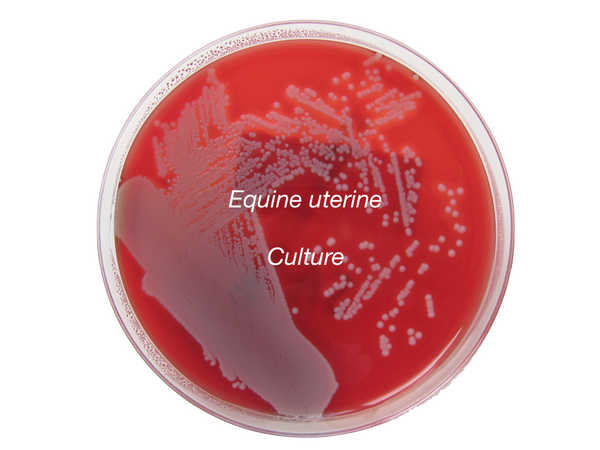
    Equine uterine culture

    Parameter Culture of the uterus  Sample Uterine swab in special culture transport system Turnaround time 1-15 day for bacterial growth Several days (>15) for yeast and other fungal growth 

    £35.00

  • Equine Viral Arteritis, ELISA - Equigerminal

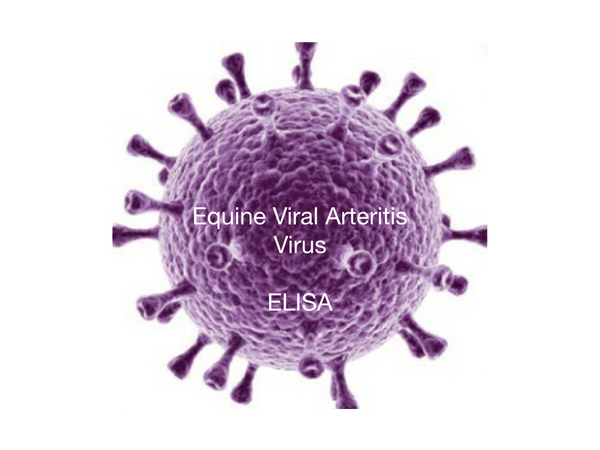
    Equine Viral ArteritisELISA

    Pathogen test  This ELISA test detects antibodies to Equine Viral Arteritis (EVA) virus. Sample 5 mL - blood - serum tube Turnaround time 2 to 5 working days   What is Equine Viral Arteritis? Equine viral arteritis (EVA) is an economically important viral disease of equids. Stallions can become long term carriers of the virus, and transmit it during breeding. Although carrier stallions can be bred if precautions are taken, the need to mate them with seropositive or vaccinated mares decreases their desirability as breeders. Acute illness also occurs in some horses. Although deaths are very rare in healthy adults, pregnant mares that become infected may abort, and very young foals may die of fulminating pneumonia and enteritis. Equine viral arteritis has recently increased in prevalence, possibly due to increased transportation of horses and semen. Clinical signs Most EAV infections, especially those that occur in mares bred to long-term carriers, are asymptomatic. The clinical signs are generally more severe in old or very young animals, and in horses that are immunocompromised or in poor condition. Fulminant infections with severe interstitial pneumonia and/ or enteritis can be seen in foals up to a few months of age. Systemic illness also occurs in some adults. In adult horses, the clinical signs may include fever, depression, anorexia, limb edema (particularly in the hindlimbs), and dependent edema of the prepuce, scrotum, mammary gland and/or ventral body wall. Conjunctivitis, photophobia, periorbital or supraorbital edema and rhinitis can also be seen. Abortions or stillbirths can occur in mares that are pregnant when they are exposed. Abortions are not necessarily preceded by systemic signs. Temporary decreases in fertility, including reduced quality sperm and decreased libido, may be seen in stallions during the acute stage of the disease. Transmission Equine Arteritis Virus (EAV) can be transmitted by the respiratory and the venereal routes. Acutely affected horses excrete the virus in respiratory secretions; aerosol transmission is common when horses are gathered at racetracks, sales, shows and other events. This virus has also been found in urine and feces during the acute stage. It occurs in the reproductive tract of acutely infected mares, and both acutely and chronically infected stallions. In mares, EAV can be found in vaginal and uterine secretions, as well as in the ovary and oviduct, for a short period after infection. Mares infected late in pregnancy may give birth to infected foals. Stallions shed EAV in semen, and can carry the virus for years. Transmission from stallions can occur by natural service or artificial insemination. Some carriers may eventually clear the infection. True carrier states have not been reported in mares, geldings or sexually immature colts; however, EAV can occasionally be found for up to six months in the reproductive tract of older prepubertal colts. Equine arteritis virus can be transmitted on fomites including equipment, and may be spread mechanically by humans or animals. Semen remains infectious after freezing. Prevention Acutely infected horses should be isolated to prevent transmission in secretions and excretions. Precautions should also be taken to avoid spreading the virus on fomites. EAV is readily inactivated by detergents, common disinfectants and lipid solvents. No specific treatment is available; however, most healthy horses other than young foals recover on their own. Good nursing and symptomatic treatment should be used in severe cases. Vaccination can also help contain outbreaks. Venereal transmission can be controlled by good management and vaccination. To protect pregnant mares from abortion, they should be separated from other horses and maintained in small groups according to their predicted foaling dates. Newly acquired horses should be isolated for 3 to 4 weeks. Vaccination appears to prevent uninfected stallions from becoming long term carriers. Stallions that are not carriers should be vaccinated before the start of the breeding season. Prepubertal colts are given the vaccine when they are 6-12 months old. Carrier stallions are identified and bred only to well vaccinated or naturally seropositive mares. Similarly, semen that contains EAV should be used only in these mares. Because first-time vaccinates may shed field viruses for a short time after exposure, these mares should be isolated from seronegative horses, particularly pregnant mares, for three weeks after breeding. Naturally infected mares and those that are not first-time vaccinates are isolated for 24-48 hours, to protect other horses from the viruses present in semen. Carrier stallions should be housed where they can be physically separated from uninfected horses; in one case, stallions apparently became infected by indirect exposure to semen. However, this appears to be rare. EAV is sensitive to sunlight and low humidity, and uninfected stallions have been kept near carriers for years without infection. Excellent hygiene and decontamination of fomites should be practiced when breeding infected horses or collecting semen.

    £39.00

  • Contagious Equine Metritis Organism - CEMO,  7d culture - Equigerminal

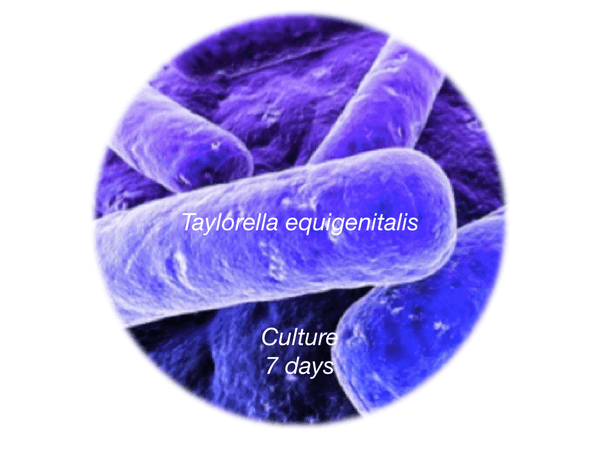
    Contagious Equine Metritis Organism - CEMO, 7d culture

    Pathogen test The culture test detects the presence of Taylorella equigenitalis, the most comum bacteria responsible for the Contagious Equine Metritis. Sample 3 genital swabs - swab Amies transport with charcoal. Clitoral fossa – use standard swab with Amies culture and transport system Clitoral sinuses swabbed – use Minitip Amies culture and transport system. Openings to the sinuses are on the dorsum of the clitoris - the central one is usually always present whereas the lateral sinuses may be multiple or not be present. Swab all that are present. Either cervical (closed cervix if pregnant or mid-cycle) or endometrial (while in estrus or true anestrus) swab – use guarded 25” swab.   NOTE: Schedule all CEM culture submissions in advance with the laboratory. Multiple culture instances are often required and timing is critical. Official CEM testing generally involves multiple sets of samples taken on multiple days. Exact sampling schedules need to be confirmed with appropriate regulatory agencies in advance of testing. Horses cannot be tested while being treated and for a period of time after treatment with antibiotics. Turnaround time 7  working days   What is Contagious Equine Metritis? Contagious equine metritis is an inflammatory disease of the proximal and distal reproductive tract of the mare caused by Taylorella equigenitalis, which usually results in temporary infertility. It is a nonsystemic infection, the effects of which are restricted to the reproductive tract of the mare. Clinical signs When present, general clinical signs include endometritis, cervicitis and vaginitis of variable severity and a slight to copious mucopurulent vaginal discharge. In mares there are two states of infection: The active state in which the main outward sign is a vulval discharge, which may range from very mild to extremely profuse. The carrier state in which there are no outward signs of infection. However, the mare remains capable of transmitting infection because the bacteria are established on the surface of the clitoris, the clitoral fossa and sinuses and, in the case of pneumoniae and P. aeruginosa, sometimes in the urethra and bladder. In stallions: (‘stallion’ means mating stallions, teasers and stallions used for AI) Infected stallions do not usually show clinical signs of infection but the bacteria are present on their penis, sheath and. These stallions can infect mares during mating, teasing or AI. Occasionally, the bacteria may invade the stallion’s sex glands, causing pus and bacteria to contaminate the semen. Transmission Direct venereal contact during natural mating presents the highest risk for the transmission of equigenitalis from a contaminated stallion or an infected mare. Direct venereal transmission can also take place by artificial insemination using infective raw, chilled and possibly frozen semen. Indirectly, infection may be acquired through fomite transmission, manual contamination, inadequate observance of appropriate biosecurity measures at the time of breeding and at semen- collection centres. Stallions can become asymptomatic carriers of equigenitalis. The principal sites of colonisation by the bacterium are the urogenital membranes (urethral fossa, urethral sinus, terminal urethra and penile sheath). The sites of persistence of equigenitalis in the majority of carrier mares are the clitoral sinuses and fossa and infrequently the uterus. Foals born of carrier mares may also become carriers. The organism can infect equid species other than horses, e.g. donkeys. Prevention If infection with equigenitalis is suspected in any mare, stallion or teaser on the basis of clinical signs, all breeding activities must cease immediately. The affected horse(s) should be isolated and swabbed by the attending veterinary surgeon. Arrange swabbing of any at risk horse. Disinfect all equipment used for breeding procedures. Inform all owners of mares booked to the stallion, including any which have already left the premises; Inform people to whom semen from the stallion has been sent; Arrange for one straw from every ejaculate of stored semen from infected and at risk stallions to be tested by a laboratory. If a straw from any ejaculate is infected, all straws from that ejaculate should be destroyed; Any at risk pregnant mare must be foaled in isolation. The placenta must be incinerated. Foals born to these mares should be swabbed three times, at intervals of not less than seven days, before three months of age. Any mares with an abnormal vaginal exudate, or returning to oestrus prematurely, should be investigated and managed as though infected with equigenitalis until results of laboratory testing prove otherwise. If carriers of equigenitalis are detected, the organism can be eliminated by treatment with systemic and/or local antibiotics combined with antiseptic washing of the sites of persistence in the mare and the stallion.

    £82.00

  • Contagious Equine Metritis Organism (CEMO), qPCR - Equigerminal

    Contagious Equine Metritis Organism (CEMO), qPCR

    Pathogen test  This PCR test detects the genome (DNA) of Taylorella equigenitalis the most comum bacteria responsible for the Contagious Equine Metritis. Sample 3 genital swabs - swab Amies transport with charcoal. Clitoral fossa – use standard swab with Amies culture and transport system Clitoral sinuses swabbed – use Minitip Amies culture and transport system. Openings to the sinuses are on the dorsum of the clitoris - the central one is usually always present whereas the lateral sinuses may be multiple or not be present. Swab all that are present. Either cervical (closed cervix if pregnant or mid-cycle) or endometrial (while in estrus or true anestrus) swab – use guarded 25” swab. Turnaround time 2 to 5  working days   What is Contagious Equine Metritis? Contagious equine metritis is an inflammatory disease of the proximal and distal reproductive tract of the mare caused by Taylorella equigenitalis, which usually results in temporary infertility. It is a nonsystemic infection, the effects of which are restricted to the reproductive tract of the mare. Clinical signs When present, general clinical signs include endometritis, cervicitis and vaginitis of variable severity and a slight to copious mucopurulent vaginal discharge. In mares there are two states of infection: The active state in which the main outward sign is a vulval discharge, which may range from very mild to extremely profuse. The carrier state in which there are no outward signs of infection. However, the mare remains capable of transmitting infection because the bacteria are established on the surface of the clitoris, the clitoral fossa and sinuses and, in the case of pneumoniae and P. aeruginosa, sometimes in the urethra and bladder. In stallions: (‘stallion’ means mating stallions, teasers and stallions used for AI) Infected stallions do not usually show clinical signs of infection but the bacteria are present on their penis, sheath and. These stallions can infect mares during mating, teasing or AI. Occasionally, the bacteria may invade the stallion’s sex glands, causing pus and bacteria to contaminate the semen. Transmission Direct venereal contact during natural mating presents the highest risk for the transmission of equigenitalis from a contaminated stallion or an infected mare. Direct venereal transmission can also take place by artificial insemination using infective raw, chilled and possibly frozen semen. Indirectly, infection may be acquired through fomite transmission, manual contamination, inadequate observance of appropriate biosecurity measures at the time of breeding and at semen- collection centres. Stallions can become asymptomatic carriers of equigenitalis. The principal sites of colonisation by the bacterium are the urogenital membranes (urethral fossa, urethral sinus, terminal urethra and penile sheath). The sites of persistence of equigenitalis in the majority of carrier mares are the clitoral sinuses and fossa and infrequently the uterus. Foals born of carrier mares may also become carriers. The organism can infect equid species other than horses, e.g. donkeys. Prevention If infection with equigenitalis is suspected in any mare, stallion or teaser on the basis of clinical signs, all breeding activities must cease immediately. The affected horse(s) should be isolated and swabbed by the attending veterinary surgeon. Arrange swabbing of any at risk horse. Disinfect all equipment used for breeding procedures. Inform all owners of mares booked to the stallion, including any which have already left the premises; Inform people to whom semen from the stallion has been sent; Arrange for one straw from every ejaculate of stored semen from infected and at risk stallions to be tested by a laboratory. If a straw from any ejaculate is infected, all straws from that ejaculate should be destroyed; Any at risk pregnant mare must be foaled in isolation. The placenta must be incinerated. Foals born to these mares should be swabbed three times, at intervals of not less than seven days, before three months of age. Any mares with an abnormal vaginal exudate, or returning to oestrus prematurely, should be investigated and managed as though infected with equigenitalis until results of laboratory testing prove otherwise. If carriers of equigenitalis are detected, the organism can be eliminated by treatment with systemic and/or local antibiotics combined with antiseptic washing of the sites of persistence in the mare and the stallion.  

    £65.00

  • Equine Viral Arteritis, RT-qPCR - Equigerminal

    Equine Viral Arteritis RTqPCR

    Pathogen test  This RT-qPCR test detects the genome (RNA) to Equine Viral Arteritis (EVA) virus. Sample 5 mL - blood - K3 EDTA blood 10 mL - semen - sterile tube Turnaround time 2 to 5 working days   What is Equine Viral Arteritis? Equine viral arteritis (EVA) is an economically important viral disease of equids. Stallions can become long term carriers of the virus, and transmit it during breeding. Although carrier stallions can be bred if precautions are taken, the need to mate them with seropositive or vaccinated mares decreases their desirability as breeders. Acute illness also occurs in some horses. Although deaths are very rare in healthy adults, pregnant mares that become infected may abort, and very young foals may die of fulminating pneumonia and enteritis. Equine viral arteritis has recently increased in prevalence, possibly due to increased transportation of horses and semen. Clinical signs Most EAV infections, especially those that occur in mares bred to long-term carriers, are asymptomatic. The clinical signs are generally more severe in old or very young animals, and in horses that are immunocompromised or in poor condition. Fulminant infections with severe interstitial pneumonia and/ or enteritis can be seen in foals up to a few months of age. Systemic illness also occurs in some adults. In adult horses, the clinical signs may include fever, depression, anorexia, limb edema (particularly in the hindlimbs), and dependent edema of the prepuce, scrotum, mammary gland and/or ventral body wall. Conjunctivitis, photophobia, periorbital or supraorbital edema and rhinitis can also be seen. Abortions or stillbirths can occur in mares that are pregnant when they are exposed. Abortions are not necessarily preceded by systemic signs. Temporary decreases in fertility, including reduced quality sperm and decreased libido, may be seen in stallions during the acute stage of the disease. Transmission Equine Arteritis Virus (EAV) can be transmitted by the respiratory and the venereal routes. Acutely affected horses excrete the virus in respiratory secretions; aerosol transmission is common when horses are gathered at racetracks, sales, shows and other events. This virus has also been found in urine and feces during the acute stage. It occurs in the reproductive tract of acutely infected mares, and both acutely and chronically infected stallions. In mares, EAV can be found in vaginal and uterine secretions, as well as in the ovary and oviduct, for a short period after infection. Mares infected late in pregnancy may give birth to infected foals. Stallions shed EAV in semen, and can carry the virus for years. Transmission from stallions can occur by natural service or artificial insemination. Some carriers may eventually clear the infection. True carrier states have not been reported in mares, geldings or sexually immature colts; however, EAV can occasionally be found for up to six months in the reproductive tract of older prepubertal colts. Equine arteritis virus can be transmitted on fomites including equipment, and may be spread mechanically by humans or animals. Semen remains infectious after freezing. Prevention Acutely infected horses should be isolated to prevent transmission in secretions and excretions. Precautions should also be taken to avoid spreading the virus on fomites. EAV is readily inactivated by detergents, common disinfectants and lipid solvents. No specific treatment is available; however, most healthy horses other than young foals recover on their own. Good nursing and symptomatic treatment should be used in severe cases. Vaccination can also help contain outbreaks. Venereal transmission can be controlled by good management and vaccination. To protect pregnant mares from abortion, they should be separated from other horses and maintained in small groups according to their predicted foaling dates. Newly acquired horses should be isolated for 3 to 4 weeks. Vaccination appears to prevent uninfected stallions from becoming long term carriers. Stallions that are not carriers should be vaccinated before the start of the breeding season. Prepubertal colts are given the vaccine when they are 6-12 months old. Carrier stallions are identified and bred only to well vaccinated or naturally seropositive mares. Similarly, semen that contains EAV should be used only in these mares. Because first-time vaccinates may shed field viruses for a short time after exposure, these mares should be isolated from seronegative horses, particularly pregnant mares, for three weeks after breeding. Naturally infected mares and those that are not first-time vaccinates are isolated for 24-48 hours, to protect other horses from the viruses present in semen. Carrier stallions should be housed where they can be physically separated from uninfected horses; in one case, stallions apparently became infected by indirect exposure to semen. However, this appears to be rare. EAV is sensitive to sunlight and low humidity, and uninfected stallions have been kept near carriers for years without infection. Excellent hygiene and decontamination of fomites should be practiced when breeding infected horses or collecting semen.

    £55.00

  • Contagious Equine Metritis Organism (CEMO), 14d Culture - Equigerminal

    Contagious Equine Metritis Organism (CEMO), 14d Culture

    This culture test detects the presence Taylorella equigenitalis by culturing, the most common bacteria responsible for the Contagious Equine Metritis. Sample requirements 2 or 3 genital swabs - swab Amies transport with charcoal. Clitoral fossa – use standard swab with Amies culture and transport system Clitoral sinuses swabbed – use Minitip Amies culture and transport system. Openings to the sinuses are on the dorsum of the clitoris - the central one is usually always present whereas the lateral sinuses may be multiple or not be present. Swab all that are present. Either cervical (closed cervix if pregnant or mid-cycle) or endometrial (while in estrus or true anestrus) swab – use guarded 25” swab. NOTE: Schedule all CEM culture submissions in advance with the laboratory. Multiple culture instances are often required and timing is critical. Official CEM testing generally involves multiple sets of samples taken on multiple days. Exact sampling schedules need to be confirmed with appropriate regulatory agencies in advance of testing. Horses cannot be tested while being treated and for a period of time after treatment with antibiotics. Turnaround time 14  working days   What is Contagious Equine Metritis? Contagious equine metritis is an inflammatory disease of the proximal and distal reproductive tract of the mare caused by Taylorella equigenitalis, which usually results in temporary infertility. It is a nonsystemic infection, the effects of which are restricted to the reproductive tract of the mare. Clinical signs When present, general clinical signs include endometritis, cervicitis and vaginitis of variable severity and a slight to copious mucopurulent vaginal discharge. In mares there are two states of infection: The active state in which the main outward sign is a vulval discharge, which may range from very mild to extremely profuse. The carrier state in which there are no outward signs of infection. However, the mare remains capable of transmitting infection because the bacteria are established on the surface of the clitoris, the clitoral fossa and sinuses and, in the case of pneumoniae and P. aeruginosa, sometimes in the urethra and bladder. In stallions: (‘stallion’ means mating stallions, teasers and stallions used for AI) Infected stallions do not usually show clinical signs of infection but the bacteria are present on their penis, sheath and. These stallions can infect mares during mating, teasing or AI. Occasionally, the bacteria may invade the stallion’s sex glands, causing pus and bacteria to contaminate the semen. Transmission Direct venereal contact during natural mating presents the highest risk for the transmission of equigenitalis from a contaminated stallion or an infected mare. Direct venereal transmission can also take place by artificial insemination using infective raw, chilled and possibly frozen semen. Indirectly, infection may be acquired through fomite transmission, manual contamination, inadequate observance of appropriate biosecurity measures at the time of breeding and at semen- collection centres. Stallions can become asymptomatic carriers of equigenitalis. The principal sites of colonisation by the bacterium are the urogenital membranes (urethral fossa, urethral sinus, terminal urethra and penile sheath). The sites of persistence of equigenitalis in the majority of carrier mares are the clitoral sinuses and fossa and infrequently the uterus. Foals born of carrier mares may also become carriers. The organism can infect equid species other than horses, e.g. donkeys. Prevention If infection with equigenitalis is suspected in any mare, stallion or teaser on the basis of clinical signs, all breeding activities must cease immediately. The affected horse(s) should be isolated and swabbed by the attending veterinary surgeon. Arrange swabbing of any at risk horse. Disinfect all equipment used for breeding procedures. Inform all owners of mares booked to the stallion, including any which have already left the premises; Inform people to whom semen from the stallion has been sent; Arrange for one straw from every ejaculate of stored semen from infected and at risk stallions to be tested by a laboratory. If a straw from any ejaculate is infected, all straws from that ejaculate should be destroyed; Any at risk pregnant mare must be foaled in isolation. The placenta must be incinerated. Foals born to these mares should be swabbed three times, at intervals of not less than seven days, before three months of age. Any mares with an abnormal vaginal exudate, or returning to oestrus prematurely, should be investigated and managed as though infected with equigenitalis until results of laboratory testing prove otherwise. If carriers of equigenitalis are detected, the organism can be eliminated by treatment with systemic and/or local antibiotics combined with antiseptic washing of the sites of persistence in the mare and the stallion.

    £87.00

  • LWFS Lethal White Foal Syndrome

    LWFS Lethal White Foal Syndrome

    DNA test DNA test for the Overo gene that is associated with the Lethal White Foal Syndrome (LWFS). Sample 30 to 40 - hair roots - envelope or 5 mL - blood - K3 EDTA tube Turnaround time 2 to 5  working days Why test? The relationship between Lethal White Foal Syndrome (LWFS) and the frame overo coat pattern is not always straightforward. Usually carriers of LWFS are frame overo in pattern, and have 1 copy of the mutated allele (nL). But not all frame overo horses carry the mutated allele, some have the genotype (nn). And some horses with other coat patterns (including solid coloured paints and tobiano) have been found to carry the mutated allele. It should also be remembered that not all white foals have the genotype (LL) ,and may not be affected by LWFS. Results description The DNA test verifies the presence of the mutation associated to the Overo and presents results as one of the following:  N/ – Non-Overo or ‘solid’ horse O/N – Frame Overo horse. Horse carries just a single copy of frame Overo. Since frame Overo is a dominant gene, the coat pattern should be present in all horses with a single copy of the mutated gene. O/ – A Lethal White Foal Syndrome (LWFS). Foal carries two copies, homozygous for frame Overo. Since no living frame Overo horse more than a week old will test as being homozygous, it applies only to horses in the Lethal White condition. Additional information Frame Overo is a highly desirable white pattern gene. All Frame Overo horses carry a single inherited copy of the Ile118Lys EDNRB mutation. This mutation causes pigment loss, producing white markings on certain areas of the horse. While the mutation produces visually desirable horses, it is also linked to a fatal condition known as Lethal White Foal Syndrome (LWFS), whereby a foal is born almost pure white in appearance, and dies within its first few days of life. Correct breeding can avoid this occurrence.  LWFS occurs when a horse inherits two copies of the mutated gene, one from both parents. Whereas horses with just one copy of the gene will live normally and exhibit the desirable pattern. A horse with two copies of the mutated gene will suffer intestinal abnormalities caused by undeveloped nerves of the foal’s digestive system. These animals die within the first 72 hours of being born and are typically euthanized sooner for humane reasons. Frame Overo horses which carry just a single copy of the gene, will pass one copy of it to their foals approximately 50% of the time when bred. Therefore, when breeding an Overo horse to a solid non-Overo horse, the foal can only inherit one copy. However, if two Overo horses are bred together they could potentially both pass the Overo gene to the foal, meaning it inherits two copies. Horses which inherit two copies of Frame Overo will suffer the Lethal White condition. Proper mating must be carried out to ensure that two frame Overo horses do not breed. This will prevent any risk of the foal inheriting two copies of the mutated gene.

    £38.00

  • Lavander Foal Syndrome - LFS - Equigerminal

    LFS Lavender Foal Syndrome

    DNA test DNA test for the Lavender Foal Syndrome (LFS) – Pure and part-bred Arab horses. This test verifies the presence of the recessive LFS gene. Sample 30 to 40 - hair roots - envelope or 5 mL - blood - K3 EDTA tube Turnaround time 2 to 5  working days Why test? This genetic test determines LFS clear, carrier or affected status. Informed choices can be made for breeding selections, and prevent the born of affected foals. Results description The DNA test verifies the presence of the recessive LFS gene and presents results as one of the following:  N/ – Non-carrier of the LFS gene. Tested negative for the LFS gene. N/LFS - Heterozygous horse for LFS, both the normal and LFS alleles were detected. The horse is a carrier of LFS genetic disorder and there is a 50% chance this horse will pass a LFS allele to its offspring LFS/ – Homozygous horse for LFS, carrier of two copies of the LFS gene. The horse is affected with the LFS genetic disorder. Additional information Lavender Foal Syndrome (LFS) is a recessive genetic disorder. Affected foals born with the unique diluted coat color that can appear to be pale lavender, pale pink or silver. This foals-often have a difficult delivery, problems standing at birth and usually have episodes where they rigidly extend their limbs, neck and back. These episodes tend to resemble a seizure, although the affected foal does not seem normal between episodes. All affected foals are usually euthanised within days or weeks of birth. LFS is rare and is considered to be an autosomal recessive trait. “Autosomal” means that there is no sex linkage, so both males and females can be equally affected. “Recessive” means that in order for a foal to be affected, it must have received two copies of the mutated gene, inheriting one copy from each parent. Horses that have one copy of the mutated gene, in combination with one copy of the normal gene, are physically normal but are considered carriers and have a 50% probability, each time they are bred, of passing the mutation along to their offspring. The SNP mutation that causes LFS has not been detected in other breeds.  Testing for this mutation in horses with no Arabian blood lines is not recommended. However, in cases where pedigree is not known, testing could be a useful tool to prevent possible affected foals.

    £38.00

  • Severe Combined Immunodeficiency - SCID - Equigerminal

    SCID Severe Combined Immunodeficiency

    DNA test DNA test for the Severe Combined Immunodeficiency (SCID). SCID is an inherited disease seen in pure and part-bred Arab horses. Sample 30 to 40 - hair roots - envelope or 5 mL - blood - K3 EDTA tube Turnaround time 2 to 5  working days Why test? The DNA test for SCID helps breeders to identify the animals that are carriers of the SCID mutation. This information allows breeders to prevent two carriers from breeding, which reduce the chances of producing an SCID foal. Continued breeding of horses that are carriers of the SCID gene is now possible without the worry of producing SCID foals. For example, carrier stallions that possess highly desirable traits can now be selectively bred to clear (homozygous normal) mares (and vice versa). The resulting foals would have an equal chance of being a carrier or clear of SCID, but would definitely not be affected. The foals could be tested anytime after birth to determine their SCID genotype and future matings could be rationally planned. Results description The DNA test verifies the presence recessive SCID mutation and presents results as one of the following: nn – Non-carrier of the SCID gene.Tested negative for the SCID mutation. nSCID – Heterozygous horse for SCID gene, both the normal and SCID alleles were detected. The horse is a carrier of SCID genetic disorder and there is a 50% chance this horse will pass a SCID allele to its offspring SCID SCID – Carrier of two copies of the SCID gene. Homozygous horse for SCID mutation. The horse is affected with the SCID genetic disorder. Additional information Severe Combined Immunodeficiency Disease (SCID) is an inherited disease seen in pure and part-bred Arab horses. Animals with this inherited condition have an enhanced susceptibility to infection and first show signs of disease at between two days and eight weeks of age. Clinical diagnosis of the disease is not straightforward as the symptoms, such as raised temperature, respiratory complications and diarrhoea, are typical of new-born foals with a range of infections. Foals affected by SCID always die from the disorder within the first six months of life. This happens regardless of the level of veterinary care. SCID is therefore a distressing condition for the effected animal and the owners or caregivers, and results in financial loss due to dead foals and veterinary expenses. The disorder is recessive, which means that a horse must be homozygous positive or have two copies of the defective gene to suffer from the disease. Consequently both the sire and the dam must possess at least one copy of the mutated gene in order for the offspring to be afflicted. Offspring born with one copy of the defective gene and one non-defective copy are considered a carrier and have a 50% chance of passing the defective gene on. A number of studies have attempted to estimate the frequency of SCID carriers in the Arab horse population. Most sources speculate that the percentage of Arab foals which die of SCID is 2-3%. If breeding is random then it would imply that roughly 28-35% of Arab horses are carriers. However, most breeding is rather selective, making the true frequency of carriers in the population somewhat unclear.

    £38.00

  • DNA Disorder-Free Certified

    DNA Disorder-Free Certified

      Certified DNA Disorder-Free Lines Ensure your horse's lineage is free from genetic disorders with our comprehensive DNA testing panel. Certify your horse against 10 genetic disorders: SCID, LFS, CA, PSSM1, HYPP, GBED, HERDA, MH, CM, WFFS. Sample Collection Hair Roots: 30 to 40 hair roots. Blood Sample: 5 mL blood in a K3 EDTA tube. Turnaround Time Standard Processing: Results in 5 to 10 working days after sample arrival at the laboratory. Clients organize and cover the costs of sending the samples. Why Test? Our Certified DNA Disorder-Free Lines test helps breeders, purchasers, and studbook certifiers ensure that horses are free from genetic disorders. This guarantees healthier horses, informed breeding decisions, and enhanced peace of mind. Learn More Results Description The DNA test results will be one of the following: n/n: Negative. No affected allele present. n/P1: Positive heterozygous. One mutated allele present. The horse can pass the allele to 50% of its progeny. P1/P1: Positive homozygous. Two mutated alleles present. The horse will pass the allele to 100% of its offspring. Additional Information Polysaccharide Storage Myopathy (PSSM1) is a hereditary muscle disease that affects many breeds. The condition is caused by a mutation in the GYS1 gene, leading to an abnormal accumulation of glycogen in the muscles. This can cause symptoms such as muscle tremors, stiffness, reluctance to move, and excessive sweating. Management of PSSM1 includes dietary changes and regular exercise to help mitigate symptoms. Check our FAQs for more information FAQs Why is genetic testing important for horse breeders? Genetic testing is essential for breeders to make informed breeding decisions and to ensure that their horses do not carry alleles for genetic disorders. This helps in maintaining the health and performance of the breed. What breeds are affected by SCID and LFS? SCID and LFS are commonly found in Arabian horses and breeds influenced by Arabian bloodlines. Testing is crucial for breeding and purchasing decisions to ensure the health of the horses. How prevalent are genetic disorders in certain horse breeds? Genetic disorders can have significant frequencies in specific breeds. For example, HERDA is prevalent in Quarter Horses, while WFFS often affects Warmbloods. Regular testing helps in identifying carriers and making informed decisions. How do genetic disorders impact horse health? Genetic disorders such as SCID, LFS, PSSM1, HYPP, and others can significantly impact the health, performance, and longevity of horses. Early detection through genetic testing allows for better management and breeding practices to ensure healthier future generations. Visit our full FAQ page for more details. How it Works ✨ Purchase the Test: Select and buy the DNA test online. 📄 Receive Instructions: After payment confirmation, receive instructions for hair root collection and a printable submission form. ✂️ Collect Hair Roots: Pluck hair roots, tape them on the submission form, place it in an envelope or sealed plastic bag. 📬 Send Samples: Send to our lab by regular mail or express delivery to: Equigerminal LabRua Eduardo Correia, Nº133030-504 Coimbra, PORTUGAL 📧 Receive Results: Get the result certificate by email. If you need assistance, contact us at support@equigerminal.pt. ♻️ Note: No need for a sample collection kit, enhancing sustainability by reducing waste and plastic use.

    £263.00

  • Projected Height test - LCORL/NCAPG - Equigerminal Projected Height test - LCORL/NCAPG - Equigerminal

    Projected Height test, LCORL/NCAPG

      DNA test kit DNA test to predict the genetic potential for being a small, medium or tall height horse. Sample 30 to 40 hair roots - envelope or 5 mL of blood  - K3 EDTA tube Turnaround time 5 to 8  working days Why test?  Confidently predict the expected mature height at withers of a young foal. Identify horses that are 70% likely to be within the specific height range desired by the owner. Produce horses of a desired height more consistently. Results description The DNA test verifies the presence of the (C) allele associated to tall height horses, and presents the results as one of the following:  C/C – Tall physical height. This genotype, with two copies of the (C) allele,  is associated with large horses, (169+/-4 cm height at the withers). This genotype can be found in draught horses, Westphalians (31%), Oldenburgs (29%), Hanoverians (28%), Holsteiners (18%) and Pureblood Lusitanos (4%). T/C – Medium physical height. This genotype, with one copy of the (T) allele and another of the (C) allele,  is associated with medium-sized horses (164+/-5 cm height at the withers). This genotype can be found in the Holsteiner (64%), Westphalian (60%), Hanoverian (56%) and Pureblood Lusitano (29%). T/T – Small physical height. This genotype, with two copies of the (T) allele, is associated with smaller horses (159 +/- 4 cm height at the withers) and ponies (<148 cm height at the withers). This genotype can be found in the majority of ponies, Arabs (100%) and Pureblood Lusitanos (67%).                                 Additional information The development of the skeletal apparatus is regulated by the expression of the gene LCORL. Recent studies have identified a variation of a simple nucleotide base (Single Nucleotide Polymorphism) in the promoter of this gene. The replacement of a thymine (T) with a cytosine (C) varies the expression of the LCORL gene. This variation in the expression influences the horse’s dimension. Consequently, if the expression of the LCORL gene is diminished the resulting horse has a larger body dimension (bones are longer).

    £56.00

  • Stallion Profile - Equigerminal

    Breeding stallion profile

    Breeding stallion profile includes 3 accredited tests:  Coggins test for Equine Infectious Anemia (EIA), AGID (accredited test) Equine Viral Arteritis (EVA) test by RT-qPCR Taylorella equigenitalis (CEMO),test by qPCR Sample requirements Test Sample type Collection Volume (mL) Coggins test Serum/ Whole blood Serum tubes 1 EVA PCR EDTA blood K3 EDTA tube  1 CEMO PCR 3 genital swabs (foreskin, urethra, glans fossa) Synthetic swab without media N.A Turnaround time 2 to 5  working days

    £134.00

  • Breeding mare profile - Equigerminal

    Breeding mare profile

    Breeding mare Profile includes 2 tests:  Coggins Test (accredited test for AIE) Taylorella equigenitalis (CEMO) testing by qPCR Sample requirements Test Sample type Collection Volume (mL) Coggins test Serum/ Whole blood Serum tubes 1 EVA PCR EDTA blood K3 EDTA tube  1 CEMO PCR 2 genital swabs: clitoral fossa and clitoral sinuses Synthetic swab without media N.A   Turnaround time 2 to 5  working days

    £100.00

  • Contagious Equine Metritis (CEM), 14d Culture - Equigerminal

    Contagious Equine Metritis (CEM), 14d Culture

    Screening of 3 pathogens responsible for Contagious Equine Metritis (CEM): Taylorella equigenitalis by culture over 14 days Pseudomonas aeruginosa by culture  Klebsiela pneumonia by culture Sample requirements 2 or 3 genital swabs in Amies transport  medium with charcoal. Clitoral fossa – use standard swab with Amies culture and transport system Clitoral sinuses swabbed – use Minitip Amies culture and transport system. Openings to the sinuses are on the dorsum of the clitoris - the central one is usually always present whereas the lateral sinuses may be multiple or not be present. Swab all that are present. Either cervical (closed cervix if pregnant or mid-cycle) or endometrial (while in estrus or true anestrus) swab – use guarded 25” swab. NOTE: Schedule all CEM culture submissions in advance with the laboratory. Multiple culture instances are often required and timing is critical. Official CEM testing generally involves multiple sets of samples taken on multiple days. Exact sampling schedules need to be confirmed with appropriate regulatory agencies in advance of testing. Horses cannot be tested while being treated and for a period of time after treatment with antibiotics. Turnaround time 14  working days   What is Contagious Equine Metritis? Contagious equine metritis is an inflammatory disease of the proximal and distal reproductive tract of the mare caused by Taylorella equigenitalis, which usually results in temporary infertility. It is a nonsystemic infection, the effects of which are restricted to the reproductive tract of the mare. Clinical signs When present, general clinical signs include endometritis, cervicitis and vaginitis of variable severity and a slight to copious mucopurulent vaginal discharge. In mares there are two states of infection: The active state in which the main outward sign is a vulval discharge, which may range from very mild to extremely profuse. The carrier state in which there are no outward signs of infection. However, the mare remains capable of transmitting infection because the bacteria are established on the surface of the clitoris, the clitoral fossa and sinuses and, in the case of pneumoniae and P. aeruginosa, sometimes in the urethra and bladder. In stallions: (‘stallion’ means mating stallions, teasers and stallions used for AI) Infected stallions do not usually show clinical signs of infection but the bacteria are present on their penis, sheath and. These stallions can infect mares during mating, teasing or AI. Occasionally, the bacteria may invade the stallion’s sex glands, causing pus and bacteria to contaminate the semen. Transmission Direct venereal contact during natural mating presents the highest risk for the transmission of equigenitalis from a contaminated stallion or an infected mare. Direct venereal transmission can also take place by artificial insemination using infective raw, chilled and possibly frozen semen. Indirectly, infection may be acquired through fomite transmission, manual contamination, inadequate observance of appropriate biosecurity measures at the time of breeding and at semen- collection centres. Stallions can become asymptomatic carriers of equigenitalis. The principal sites of colonisation by the bacterium are the urogenital membranes (urethral fossa, urethral sinus, terminal urethra and penile sheath). The sites of persistence of equigenitalis in the majority of carrier mares are the clitoral sinuses and fossa and infrequently the uterus. Foals born of carrier mares may also become carriers. The organism can infect equid species other than horses, e.g. donkeys. Prevention If infection with equigenitalis is suspected in any mare, stallion or teaser on the basis of clinical signs, all breeding activities must cease immediately. The affected horse(s) should be isolated and swabbed by the attending veterinary surgeon. Arrange swabbing of any at risk horse. Disinfect all equipment used for breeding procedures. Inform all owners of mares booked to the stallion, including any which have already left the premises; Inform people to whom semen from the stallion has been sent; Arrange for one straw from every ejaculate of stored semen from infected and at risk stallions to be tested by a laboratory. If a straw from any ejaculate is infected, all straws from that ejaculate should be destroyed; Any at risk pregnant mare must be foaled in isolation. The placenta must be incinerated. Foals born to these mares should be swabbed three times, at intervals of not less than seven days, before three months of age. Any mares with an abnormal vaginal exudate, or returning to oestrus prematurely, should be investigated and managed as though infected with equigenitalis until results of laboratory testing prove otherwise. If carriers of equigenitalis are detected, the organism can be eliminated by treatment with systemic and/or local antibiotics combined with antiseptic washing of the sites of persistence in the mare and the stallion.

    £88.00

  • Contagious Equine Metritis (CEM), 7d Culture - Equigerminal

    Contagious Equine Metritis (CEM), 7d Culture

    Screening of 3 pathogens responsible for Contagious Equine Metritis (CEM): Taylorella equigenitalis by Culture over 7 days Pseudomonas aeruginosa, Culture  Klebsiela pneumonia, Culture   Sample 2 or 3 genital swabs in swab Amies transport medium with charcoal. Clitoral fossa – use standard swab with Amies culture and transport system Clitoral sinuses swabbed – use Minitip Amies culture and transport system. Openings to the sinuses are on the dorsum of the clitoris - the central one is usually always present whereas the lateral sinuses may be multiple or not be present. Swab all that are present. Either cervical (closed cervix if pregnant or mid-cycle) or endometrial (while in estrus or true anestrus) swab – use guarded 25” swab. NOTE: Schedule all CEM culture submissions in advance with the laboratory. Multiple culture instances are often required and timing is critical. Official CEM testing generally involves multiple sets of samples taken on multiple days. Exact sampling schedules need to be confirmed with appropriate regulatory agencies in advance of testing. Horses cannot be tested while being treated and for a period of time after treatment with antibiotics. Turnaround time 7  working days   What is Contagious Equine Metritis? Contagious equine metritis is an inflammatory disease of the proximal and distal reproductive tract of the mare caused by Taylorella equigenitalis, which usually results in temporary infertility. It is a nonsystemic infection, the effects of which are restricted to the reproductive tract of the mare. Clinical signs When present, general clinical signs include endometritis, cervicitis and vaginitis of variable severity and a slight to copious mucopurulent vaginal discharge. In mares there are two states of infection: The active state in which the main outward sign is a vulval discharge, which may range from very mild to extremely profuse. The carrier state in which there are no outward signs of infection. However, the mare remains capable of transmitting infection because the bacteria are established on the surface of the clitoris, the clitoral fossa and sinuses and, in the case of pneumoniae and P. aeruginosa, sometimes in the urethra and bladder. In stallions: (‘stallion’ means mating stallions, teasers and stallions used for AI) Infected stallions do not usually show clinical signs of infection but the bacteria are present on their penis, sheath and. These stallions can infect mares during mating, teasing or AI. Occasionally, the bacteria may invade the stallion’s sex glands, causing pus and bacteria to contaminate the semen. Transmission Direct venereal contact during natural mating presents the highest risk for the transmission of equigenitalis from a contaminated stallion or an infected mare. Direct venereal transmission can also take place by artificial insemination using infective raw, chilled and possibly frozen semen. Indirectly, infection may be acquired through fomite transmission, manual contamination, inadequate observance of appropriate biosecurity measures at the time of breeding and at semen- collection centres. Stallions can become asymptomatic carriers of equigenitalis. The principal sites of colonisation by the bacterium are the urogenital membranes (urethral fossa, urethral sinus, terminal urethra and penile sheath). The sites of persistence of equigenitalis in the majority of carrier mares are the clitoral sinuses and fossa and infrequently the uterus. Foals born of carrier mares may also become carriers. The organism can infect equid species other than horses, e.g. donkeys. Prevention If infection with equigenitalis is suspected in any mare, stallion or teaser on the basis of clinical signs, all breeding activities must cease immediately. The affected horse(s) should be isolated and swabbed by the attending veterinary surgeon. Arrange swabbing of any at risk horse. Disinfect all equipment used for breeding procedures. Inform all owners of mares booked to the stallion, including any which have already left the premises; Inform people to whom semen from the stallion has been sent; Arrange for one straw from every ejaculate of stored semen from infected and at risk stallions to be tested by a laboratory. If a straw from any ejaculate is infected, all straws from that ejaculate should be destroyed; Any at risk pregnant mare must be foaled in isolation. The placenta must be incinerated. Foals born to these mares should be swabbed three times, at intervals of not less than seven days, before three months of age. Any mares with an abnormal vaginal exudate, or returning to oestrus prematurely, should be investigated and managed as though infected with equigenitalis until results of laboratory testing prove otherwise. If carriers of equigenitalis are detected, the organism can be eliminated by treatment with systemic and/or local antibiotics combined with antiseptic washing of the sites of persistence in the mare and the stallion.

    £80.00

  • Equine Coital Exanthema, qPCR - Equigerminal

    Equine Coital Exanthema, qPCR

    Pathogen test  The qPCR test detects the genome (DNA) of  Equine Herpesvirus Type 3 (EHV-3), the pathogen responsible for the Equine Coital Exanthema. Molecular detection of EHV-3 by PCR is the most sensitive, specific and accurate tool in assessing the infectivity of an affected horse Sample 5 mL - blood - K3 EDTA tube 1 genital swab - dry swab 20 gr - placental or foetal tissue - sterile flask Turnaround time 2 to 5 working days   What is Equine Coital Exanthema?  Equine Herpesvirus type 3 (EHV-3) causes coital exanthema, a contagious genital infection (vulva in mares, penis and scrotum in stallions), spread venereally and characterised by numerous small blisters or spots, sometimes called ‘the pox’. Clinical signs The clinical presentation of equine coital exanthema (ECE) is characterised by the presence of superficial lesions on the skin of the external genitalia of mares or stallions. The progress of each cutaneous lesion follows a well-defined and predictable course. Transmission Infection by EHV-3 occurs via direct cutaneous contact either during the act of coitus or by the transfer of virus-containing secretions from contaminated objects, such as hands, gloves, instruments, palpation sleeves, sponges and the lips or nose of a horse. The virus is easily transmitted by simple contact with the skin; the epidermal surface need not be damaged for infection to be established. Prevention There is no commercial vaccine against EHV-3. A stringent code of practice should be implemented within breeding sheds following observation of a case of ECE. The three priorities necessary for successful ECE control are: Cessation of breeding of clinically affected animals; Heightened vigilance on the part of personnel for early recognition of new clinical cases; Strict adherence to breeding shed hygiene procedures designed to eliminate mechanical transmission of the virus.

    £49.00

Login

Forgot your password?

Don't have an account yet?
Create account