-
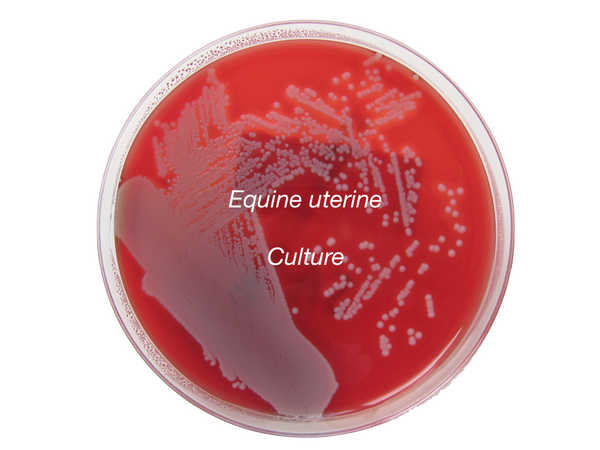
Contagious Equine Metritis (CEM), 14d Culture
Screening of 3 pathogens responsible for Contagious Equine Metritis (CEM): Taylorella equigenitalis by culture over 14 days Pseudomonas aeruginosa by culture Klebsiela pneumonia by culture Sample requirements 2 or 3 genital swabs in Amies transport medium with charcoal. Clitoral fossa – use standard swab with Amies culture and transport system Clitoral sinuses swabbed – use Minitip Amies culture and transport system. Openings to the sinuses are on the dorsum of the clitoris - the central one is usually always present whereas the lateral sinuses may be multiple or not be present. Swab all that are present. Either cervical (closed cervix if pregnant or mid-cycle) or endometrial (while in estrus or true anestrus) swab – use guarded 25” swab. NOTE: Schedule all CEM culture submissions in advance with the laboratory. Multiple culture instances are often required and timing is critical. Official CEM testing generally involves multiple sets of samples taken on multiple days. Exact sampling schedules need to be confirmed with appropriate regulatory agencies in advance of testing. Horses cannot be tested while being treated and for a period of time after treatment with antibiotics. Turnaround time 14 working days What is Contagious Equine Metritis? Contagious equine metritis is an inflammatory disease of the proximal and distal reproductive tract of the mare caused by Taylorella equigenitalis, which usually results in temporary infertility. It is a nonsystemic infection, the effects of which are restricted to the reproductive tract of the mare. Clinical signs When present, general clinical signs include endometritis, cervicitis and vaginitis of variable severity and a slight to copious mucopurulent vaginal discharge. In mares there are two states of infection: The active state in which the main outward sign is a vulval discharge, which may range from very mild to extremely profuse. The carrier state in which there are no outward signs of infection. However, the mare remains capable of transmitting infection because the bacteria are established on the surface of the clitoris, the clitoral fossa and sinuses and, in the case of pneumoniae and P. aeruginosa, sometimes in the urethra and bladder. In stallions: (‘stallion’ means mating stallions, teasers and stallions used for AI) Infected stallions do not usually show clinical signs of infection but the bacteria are present on their penis, sheath and. These stallions can infect mares during mating, teasing or AI. Occasionally, the bacteria may invade the stallion’s sex glands, causing pus and bacteria to contaminate the semen. Transmission Direct venereal contact during natural mating presents the highest risk for the transmission of equigenitalis from a contaminated stallion or an infected mare. Direct venereal transmission can also take place by artificial insemination using infective raw, chilled and possibly frozen semen. Indirectly, infection may be acquired through fomite transmission, manual contamination, inadequate observance of appropriate biosecurity measures at the time of breeding and at semen- collection centres. Stallions can become asymptomatic carriers of equigenitalis. The principal sites of colonisation by the bacterium are the urogenital membranes (urethral fossa, urethral sinus, terminal urethra and penile sheath). The sites of persistence of equigenitalis in the majority of carrier mares are the clitoral sinuses and fossa and infrequently the uterus. Foals born of carrier mares may also become carriers. The organism can infect equid species other than horses, e.g. donkeys. Prevention If infection with equigenitalis is suspected in any mare, stallion or teaser on the basis of clinical signs, all breeding activities must cease immediately. The affected horse(s) should be isolated and swabbed by the attending veterinary surgeon. Arrange swabbing of any at risk horse. Disinfect all equipment used for breeding procedures. Inform all owners of mares booked to the stallion, including any which have already left the premises; Inform people to whom semen from the stallion has been sent; Arrange for one straw from every ejaculate of stored semen from infected and at risk stallions to be tested by a laboratory. If a straw from any ejaculate is infected, all straws from that ejaculate should be destroyed; Any at risk pregnant mare must be foaled in isolation. The placenta must be incinerated. Foals born to these mares should be swabbed three times, at intervals of not less than seven days, before three months of age. Any mares with an abnormal vaginal exudate, or returning to oestrus prematurely, should be investigated and managed as though infected with equigenitalis until results of laboratory testing prove otherwise. If carriers of equigenitalis are detected, the organism can be eliminated by treatment with systemic and/or local antibiotics combined with antiseptic washing of the sites of persistence in the mare and the stallion.
£88.00
-
Chlamydiosis, qPCR
Pathogen test The PCR test detects the genome (DNA) of the Clamydia psittaci, the bacteria responsible for Chlamydiosis. Sample 1 genital swabs - sterile swab 20 gr - placental or foetal tissues - sterile flask 5 mL - blood - K3 EDTA tube Turnaround time 2 to 5 working days What is Chlamydiosis? Chlamydia psittaci is a bacterium carried by birds. It can cause a respiratory disease in people called Psittacosis and has also been linked to abortion in mares.
£49.00
-
VE Vesicular Stomatitis RT-qPCR
Pathogen test The RT-qPCR test detects the genome (RNA) of Indiana and Jersey virus strains responsible for Vesicular Stomatitis. Sample 5 mL - blood - K3 EDTA tube Turnaround time 2 to 5 working days What is Vesicular Stomatitis? Vesicular Stomatitis (VS) is a contagious disease that afflicts horses, livestock, wildlife and even humans. The disease is caused by a virus, which although rarely life threatening, can have significant financial impact on the horse industry. Vesicular Stomatitis is a reportable disease. Equestrian event organisers may also choose to cancel horse shows, and other equestrian activities in the surrounding area. Interstate and international movement of horses may also be restricted. Clinical signs When vesicular stomatitis occurs in horses, blister-like lesions usually develop on the tongue, mouth lining, nose or lips. In some cases, lesions can develop on the coronary bands, or on the udder or sheath. When VS is suspected, an exact diagnosis should be obtained by testing the blood for virus-specific antibodies or by testing swabs from the lesions to identify the presence of the virus. Testing is necessary to rule out the possibility that the lesions are caused by photosensitivity (sunburn), irritating feeds or weeds, or toxicity from non-steroidal anti-inflammatory medications like phenylbutazone. The disease generally runs its course within two weeks, although it may take as long as two months for the sores to entirely heal. Live virus can often be isolated from the lesions for up to a week after the lesions appear. During this time, the horse remains infective and the potential remains for the disease to spread to other animals. Transmission There are still some questions regarding how vesicular stomatitis is transmitted and why it only occurs sporadically in the U.S. The disease is distributed only in North, Central, and South America, with a greater incidence in warmer regions. Due to the seasonal occurrence of VS during summer through early fall, it is believed that insects such as biting flies and midges contribute to maintaining the lifecycle of the virus. Black flies, sand flies, and midges are known to transmit the virus, but there may be other insect vectors that have not yet been identified. VS also can be passed from horse to horse by contact with saliva or fluid from ruptured blisters. Physical contact between animals, or contact with buckets, equipment, housing, trailers, feed, bedding, shared water troughs or other items used by an infected horse can provide a ready means of spread. Prevention By observing the following guidelines you can help prevent the occurrence of VS: Healthy horses are more disease resistant so provide good nutrition, regular exercise, deworming and routine vaccinations. Isolate new horses for at least 21 days before introducing them into the herd or stable. Observe your horse closely. Immediately isolate any horse that shows signs of infection and contact your veterinarian. Implement an effective insect control program. Keep stabling areas clean and dry. Remove manure and eliminate potential breeding grounds (standing water, muddy areas) for insect vectors. Use individual rather than communal feeders, waterers, and equipment. Clean and disinfect feed bunks, waterers, horse trailers and other equipment regularly. Be sure that your farrier and other equine professionals who come into direct contact with your animals exercise due care so as not to spread the disease from one horse or facility to the next. On farms where VS has been confirmed, isolate any animals with lesions away from others and handle healthy animals first, ill animals last. Handlers should then shower, change clothing and disinfect equipment to prevent exposing others. Anyone handling infected horses should implement proper biosafety methods, including wearing latex gloves and washing hands after handling animals with lesions. If you are sponsoring an event during an outbreak, require a more recent health certificate on every horse entering the venue and consider having a veterinarian visually inspect all horses at check-in. Work with your event veterinarian to establish isolation and response procedures that can be implemented quickly if a suspect case is identified at the venue.
£55.00
-
Salmonellosis qPCR
Pathogen test The PCR test detects the genome (DNA) of the Salmonella serovar abortus-equi, the bacteria responsible for Salmonellosis and abortion in equines. Sample 1 genital swabs - sterile swab and/or 20 gr - placental or foetal tissues - sterile flask and/or 5 mL - blood - K3 EDTA tube Turnaround time 2 to 5 working days What is Salmonellosis? Contagious and zoonotic bacterial infection caused by Salmonella spp, of which there are >2500 serotypes. Clinical signs Abortion with infection by Salmonella serovar abortus-equi. Clinically normal horses can transiently shed Salmonella, with shedding more common during: Concurrent illness: antibacterial usage, physiological disturbance Stress: transportation, social, nutritional Gastrointestinal disturbance: motility (especially colic), feed change Diarrhoea (soft feces to projectile, watery diarrhoea) is most common, however, horses may have normal feces Fever (patient may have normal temperature, especially if treated with NSAIDs) Lethargy Anorexia Colic Localised infection (e.g. joint or bone infection) Sepsis/septic shock Laminitis as a common sequel to enterocolitis Foals are commonly more seriously affected when compared to older horses, with profound systemic illness including: Hemorrhagic diarrhoea Pneumonia Meningitis Physitis Septic arthritis Transmission Fecal-oral spread Ingestion of contaminated material (pasture, roughage, feed or water) Fomites are a significant means of indirect transmission of infection Intermittent shedding by subclinically infected horses Aerosol transmission has been suspected in other species; evidence of this route in horses is lacking Prevention Measures Biosecurity Guidelines Quarantine horses that develop diarrhoea and/or fever. If a separate stall or paddock is not available, establish barrier precautions at their current location Isolate horses following significant colic episodes, impactions (notably small colon), or colic surgery to reduce environmental contamination and potential exposure of other horses should Salmonella subsequently be recovered on fecal culture Prevent horses that have come in contact with known infected or clinical cases from mixing with the general population Contaminated stall and equipment should have all organic material removed. Dispose of organic matter in a manner which prevents contamination of the facility (do not spread on pastures). Disinfection can be performed after all organic matter has been removed and the surfaces cleaned. Pressure washers or hoses should not be used as they can aerosolise Salmonella, potentially contaminating other parts of the facility or infecting a susceptible horse or human No commercially available validated vaccine is currently marketed. For animals with positive cultures while clinically ill: Before removing restrictions, following resolution of clinical signs, conduct a series of fecal cultures (see Diagnostic Sampling, Testing and Handling) to determine if all negative Where culture is not performed, isolation up to 30 days may be required to minimize risk of exposure of other horses from convalescent shedding of previously infected horses following the cessation of clinical signs (fever, diarrhoea). • Isolate horse for 30 days from resident horses Obtain 5 consecutive negative fecal cultures prior to releasing horse into the general population Prior to entry into the general population the horse should be housed in an environment that can be thoroughly cleaned and disinfected If the horse is turned out in a paddock, manure should be promptly removed and appropriately disposed of in a manner that avoids potential contamination of other areas of the facility. Caretakers should wear personal protective equipment. After the horse is released, the paddock should be harrowed to encourage drying and kept unused for 30 days
£49.00
-
Liver function
Metabolic profile - Liver function Metabolic profile with 5 parameters: AST Gama-GT Bilirubines (total, direct and indirect) Alkaline Phosphatase Albumin Sample 5 mL - blood - Serum tube Turnaround time 1 working day Metabolic Profile Reference Intervals Parameter Low High Units AST 222,00 489,00 U/L Gama-GT 8,00 33,00 U/L Total Bilirubine 0,50 2,10 mg/dL Direct Bilirubine 0,10 0,55 mg/dL Indirect Bilirubine 0,30 2,00 mg/dL Alkaline Phosphatase 88 268 U/L Albumin 2,9 3,60 g/dL
£10.00
-
Mycological examination
Culture Mycological examination (direct and culture) Sample fur skin other Turnaround time 15 to 30 days
£18.00
-
New Equine Virus (NEV) Viral Load
Pathogen test This test determines the NEV viral load of your horse by a molecular test that identifies the NEV genome in circulating blood. This test doesn’t determine the NEV status of your horse. An undetectable viral load doesn't mean that your horse is free of infection. Sample 5 mL - blood - K3 EDTA tube or 5 mL - Liquor (CSF). Turnaround time 5 to 10 working days Knowing the NEV status and viral load of your horse can help keep your horse - and others - safe Key points The New Equine Virus (NEV) is a horse lentivirus distinctive from Swamp fever virus (EIAV) and similar to HIV-1. Like in HIV infected humans NEV attacks the immune system and natural defence against illness. A horse infected with NEV will get weaker and weaker until it can no longer fight off life threatening infections and diseases. The rate at which NEV progresses varies depending on age, general health and genetic background. Learn more about NEV Explore results If NEV viral load is undetectable - No risk of transmitting NEV An undetectable viral load means that the NEV level in the blood is too low to be detected by a viral load test. NEV positive horses can show undetectable viral loads. Horses with NEV who maintain and undetectable viral load have effectively no risk of transmitting NEV to NEV negative horses. If NEV viral load is detectable - Risk of transmitting NEV A detectable viral load means that the NEV level in the blood is high to be detected by a viral load test. Horses with NEV who maintain and detectable viral load have effectively a risk of transmitting NEV to NEV negative horses. Take Action - Find the suggested next steps based on results. If your horse has a NEV detectable viral load begin by talking to your veterinarian about therapies to boost the immune system of your horse as well about antiretroviral therapy (ART). Monitoring of NEV viral load levels is crucial to evaluate disease progression and risk. Like with HIV, ART can’t cure NEV, but can help your horse to live a longer and healthier life. The main goal of ART is to reduce your horse’s viral load to an undetectable level. Learn more about ART here
£55.00
-
New Equine Virus (NEV) Status & Viral load
Pathogen test This diagnostic profile determines the NEV status of a horse, as well the transmitting with a viral load test. Includes a serological test for NEV - to determine NEV status and a molecular test to determine the NEV viral load. Sample 5 mL - blood - serum tube and 5 mL - blood - K3 EDTA tube or 5 mL - Liquor (CSF). Turnaround time 5 to 10 working days Knowing the NEV status and viral load of your horse can help keep your horse - and others - safe Key points The New Equine Virus (NEV) is a horse lentivirus distinctive from Swamp fever virus (EIAV) and similar to HIV-1. Like in HIV infected humans NEV attacks the immune system and natural defence against illness. A horse infected with NEV will get weaker and weaker until it can no longer fight off life threatening infections and diseases. The rate at which NEV progresses varies depending on age, general health and genetic background. Learn more about NEV Explore results If your horse is NEV negative : Testing shows that your horse doesn’t have NEV. Continue taking steps to keep your horse safe from getting NEV If your horse is NEV positive : Testing shows that your horse does have NEV, but you can still take steps to protect your horse´s health. NEV viral load test indicates the transmitting risk. An undetectable viral load means that the NEV level in the blood is too low to be detected by a viral load test. Horses with NEV who maintain and undetectable viral load have effectively no risk of transmitting NEV to NEV negative horses. Learn more about NEV viral load Take action - Find the suggested next steps based on results If your horse is NEV positive Begin by talking to your veterinarian about therapies to boost the immune system of your horse as well about antiretroviral therapy (ART). Monitoring of NEV viral load levels is crucial to evaluate disease progression and risk. Like with HIV, ART can’t cure NEV, but can help your horse to live a longer and healthier life. The main goal of ART is to reduce your horse’s viral load to an undetectable level. Learn more about ART here.
£176.00
-
Neurological signs profile
Pathogen profile This profile includes 10 qPCR tests that detects 10 pathogens responsible for neurological disease in horses such as: EHV-1, EPM, EEE, EEV, VEE, JEV, WEE, WNV, RBV, Hendra. Sample 5 mL - blood ( K3 EDTA tube) and/or 5mL - liquor (CSF) in a sterile tube Turnaround time 2 to 5 working days
£325.00
-
Eastern Equine Encephalitis, RT-qPCR
Pathogen test The RT-qPCR test detects the genome (RNA) of Eastern Equine Encephalitis (EEE) virus. Sample 5 mL - blood - K3 EDTA tube 5mL - liquor (CSF) - sterile tube Turnaround time 2 to 5 working days What is Eastern Equine Encephalitis? Eastern equine encephalitis (EEE), also referred to as triple E, is a viral illness transmitted to humans and horses by the bite of an infected mosquito. The insects pick up the virus from biting an infected bird. Clinical signs EEE viruses affect the nervous system, so affected animals will have fever, depression and changes in behaviour. Signs of infection may also include impaired vision, muscle twitches, circling or head pressing behaviours, the inability to swallow, paralysis and convulsions. Horses infected with EEE often do not survive Transmission The virus is transmitted to people and horses by bites from infected mosquitoes and birds during wet, summer months Prevention Vaccines for EEE are available for horses. Measures to control mosquito populations and minimize mosquito exposure will decrease chances of infection.
£55.00
-
Equine Anemia Pathogen Screening Panel
Pathogen profile Screening of 6 pathogens responsible anemia signs in equines : Equine Infectious Anemia Virus (EIAV), Anaplasma phagocytophilum, Borrelia Burgdorferi, Leptospira interrogans, Babesia caballi and Theileria equi. Sample 5 mL of blood - K3 EDTA tube Turnaround time 2 to 5 working days
£154.00
-
Equine Piroplasmosis qPCR
Our Equine Piroplasmosis qPCR Test provides accurate detection of the genome of Babesia caballi and Theileria equi, the primary agents responsible for Equine Piroplasmosis. This test is ideal for early infection detection and during febrile peaks. Product Overview qPCR Test: Detects the genome of Babesia caballi and Theileria equi, providing highly sensitive detection of piroplasms. Sample Requirements 5 mL of blood - collect blood in K3 EDTA tube for qPCR Turnaround Time Standard Processing: Results in 2 working days after sample arrival at the laboratory. Clients are responsible for organizing and covering the costs of sending the samples to the laboratory. What is Piroplasmosis? Equine piroplasmosis (EP) is a tick-borne disease of horses caused by the intraerythrocytic protozoan parasites Babesia caballi and Theileria equi. These agents are transmitted through a tick vector. Infected animals may remain carriers of these blood parasites for long periods and act as sources of infection for other ticks. The parasites are found in southern Europe, Asia, countries of the Commonwealth of Independent States, Africa, Cuba, South and Central America, and parts of the southern United States. Clinical Signs Incubation period: 12 to 19 days for T. equi and 10 to 30 days for B. caballi. Per-acute form: Rare, with only clinical observation being moribund or dead animals. Acute form: Fever, reduced appetite, elevated respiratory and pulse rates, congestion of mucous membranes, dark red urine, smaller and drier faecal balls, anaemia, and/or icterus. Subacute form: Similar to acute form but with weight loss and intermittent fever. Mucous membranes may vary from pale pink to bright yellow. Chronic form: Mild inappetence, poor performance, weight loss. Documented case fatality rates vary from 10–50%. Transmission Babesia caballi sporozoites invade red blood cells (RBCs), transforming into trophozoites which divide into merozoites, capable of infecting new RBCs. B. caballi can be found in various organs of tick vectors and transmit transovarially. Theileria equi sporozoites, inoculated into horses via a tick bite, invade lymphocytes, develop into schizonts, and release merozoites that invade RBCs. T. equi develop in the salivary glands of the tick vector and are not transmitted transovarially. Transmission is also possible through mechanical vectors contaminated by infected blood. Prevention Sanitary Prophylaxis: Testing and controlling tick exposure, using repellents, acaricides, and regular inspections, controlling and eradicating the tick vector, and quarantining EP-positive animals. Medical Prophylaxis: No current biological products are available. Antiprotozoal agents only temporarily clear T. equi from carriers. How It Works How It Works 🛒 Purchase the Test: Select and buy the test online. 📧 Receive Instructions: After payment confirmation, receive instructions for sample collection. ✨ Sample Collection: Your veterinarian collects the sample. 📄 Download Submission Form: Download the printable submission form here. 📮 Send Samples: Send to our lab by regular mail or express delivery to:Equigerminal LabRua Eduardo Correia, Nº133030-507 Coimbra, PORTUGAL 📄 Receive Results: Get the result certificate by email. If you need assistance, contact us at support@equigerminal.pt. More Info View More Info For more detailed information on the qPCR Test, including sample collection and submission instructions, please visit our website or contact our support team. Visit our detailed diagnosis page for more information. FAQs View FAQs How does the qPCR test work? The qPCR test detects the genome of Babesia caballi and Theileria equi, providing a highly sensitive and specific method for identifying the presence of the pathogens. What types of samples are required for the test? The qPCR test requires 5 mL of blood collected in a K3 EDTA tube. How long does it take to get the test results? The turnaround time for the qPCR test is typically 2 working days from the receipt of the sample in the laboratory. What should be done if a horse tests positive for Piroplasmosis? Horses that test positive should be isolated to prevent the spread of the disease. Follow biosecurity measures and consult with a veterinarian for appropriate treatment and management. How can Piroplasmosis be prevented? Prevention involves testing and controlling tick exposure, using repellents, acaricides, and regular inspections, controlling and eradicating the tick vector, and quarantining EP-positive animals.
£76.00
-
Equine Piroplasmosis Bundle: cELISA & qPCR
Equine Piroplasmosis Bundle: cELISA & qPCR Our Equine Piroplasmosis Bundle combines cELISA and qPCR tests for comprehensive detection of antibodies to Babesia caballi and Theileria equi. This bundle is crucial for the official trading, import, and export of horses. Product Overview The bundle includes: Two cELISA Tests: Detect antibodies to Babesia caballi and Theileria equi. Used for official trading and movement of horses. Follows ISO/IEC 17025 standards, ensuring high quality and reliability. qPCR Test: Detects the genome of Babesia caballi and Theileria equi, providing highly sensitive detection of piroplasms, ideal for early infection detection and during febrile peaks. Sample Requirements 5 mL of blood or serum - collect blood in a dry tube for cELISA 5 mL of blood - collect blood in K3 EDTA tube for qPCR Turnaround Time Standard Processing: Results in 2 working days after sample arrival at the laboratory. Clients are responsible for organizing and covering the costs of sending the samples to the laboratory. What is Piroplasmosis? Equine piroplasmosis (EP) is a tick-borne disease of horses caused by the intraerythrocytic protozoan parasites Babesia caballi and Theileria equi. These agents are transmitted through a tick vector. Infected animals may remain carriers of these blood parasites for long periods and act as sources of infection for other ticks. The parasites are found in southern Europe, Asia, countries of the Commonwealth of Independent States, Africa, Cuba, South and Central America, and parts of the southern United States. Clinical Signs Incubation period: 12 to 19 days for T. equi and 10 to 30 days for B. caballi. Per-acute form: Rare, with only clinical observation being moribund or dead animals. Acute form: Fever, reduced appetite, elevated respiratory and pulse rates, congestion of mucous membranes, dark red urine, smaller and drier faecal balls, anaemia, and/or icterus. Subacute form: Similar to acute form but with weight loss and intermittent fever. Mucous membranes may vary from pale pink to bright yellow. Chronic form: Mild inappetence, poor performance, weight loss. Documented case fatality rates vary from 10–50%. Transmission Babesia caballi sporozoites invade red blood cells (RBCs), transforming into trophozoites which divide into merozoites, capable of infecting new RBCs. B. caballi can be found in various organs of tick vectors and transmit transovarially. Theileria equi sporozoites, inoculated into horses via a tick bite, invade lymphocytes, develop into schizonts, and release merozoites that invade RBCs. T. equi develop in the salivary glands of the tick vector and are not transmitted transovarially. Transmission is also possible through mechanical vectors contaminated by infected blood. Prevention Sanitary Prophylaxis: Testing and controlling tick exposure, using repellents, acaricides, and regular inspections, controlling and eradicating the tick vector, and quarantining EP-positive animals. Medical Prophylaxis: No current biological products are available. Antiprotozoal agents only temporarily clear T. equi from carriers. How It Works How It Works 🛒 Purchase the Test: Select and buy the test online. 📧 Receive Instructions: After payment confirmation, receive instructions for sample collection. ✨ Sample Collection: Your veterinarian collects the sample. 📄 Download Submission Form: Download the printable submission form here. 📮 Send Samples: Send to our lab by regular mail or express delivery to:Equigerminal LabIPN Incubadora, Rua Pedro Nunes, EdifC3030-199 Coimbra, PORTUGAL 📄 Receive Results: Get the result certificate by email. If you need assistance, contact us at support@equigerminal.pt. More Info View More Info For more detailed information on the cELISA and qPCR Tests, including sample collection and submission instructions, please visit our website or contact our support team. Visit our detailed diagnosis page for more information. FAQs View FAQs How do the cELISA and qPCR tests work? The cELISA test detects antibodies to Babesia caballi and Theileria equi, providing a highly sensitive and specific method for identifying the presence of the pathogens. The qPCR test detects the genome of these pathogens, making it ideal for early infection detection and during febrile peaks. What types of samples are required for the tests? The cELISA test requires 5 mL of blood or serum collected in a dry tube. The qPCR test requires 5 mL of blood collected in a K3 EDTA tube. How long does it take to get the test results? The turnaround time for the cELISA and qPCR tests is typically 2 working days from the receipt of the sample in the laboratory. What should be done if a horse tests positive for Piroplasmosis? Horses that test positive should be isolated to prevent the spread of the disease. Follow biosecurity measures and consult with a veterinarian for appropriate treatment and management. How can Piroplasmosis be prevented? Prevention involves testing and controlling tick exposure, using repellents, acaricides, and regular inspections, controlling and eradicating the tick vector, and quarantining EP-positive animals.
£132.00
-
Equine Infectious Anemia, ELISA
Pathogen test The ELISA test it can, in some cases, replace the Coggins Test, the official test required for trade/import/ export of horses. PTE018/2 ELISA test to detect antibodies against equine infectious anemia virus Equine Infectious Anaemia is a disease listed in the OIE Terrestrial Animal Health Code and countries are obligated to report the occurrence of the disease according to the OIE Code. Sample 5 mL of blood collected in a dry tube or 2 mL of sera. Turnaround time Standard processing - Results in 2-5 working days after sample arrival at the laboratory. Clients organise and support the costs of sending the samples to the laboratory. PREMIUM processing - Results in 5 hours after sample arrival. Includes free express delivery** . The laboratory organises Express shipping with pick-up of the package at the client's address and delivery at the laboratory. ** PREMIUM SERVICES INCLUDE AN EXPRESS SHIPPING DELIVERY FOR EUROPEAN COUNTRIES FROM NON REMOTE REGIONS. Check here to know if you are in a remote European region. For remote regions EXTRA fees are applied. What is Equine Infectious Anemia? Equine infectious anemia is a very old viral disease that affects horses, asses, mules and hinnies worldwide. It is subject to tight controls in the import/export of live equines and their products Clinical signs This infection may have an acute, chronic or sub-clinical (silent) phase. The acute phase characterised by intermittent fever associated with depression, lethargy, increased heart and breathing rates, haemorrhaging, diarrhoea with blood, bleeding wounds that won’t heal, lack of coordination and rapid weight loss. It can also cause petechial haemorrhages of the mucous membranes and general oedema more evident in the legs and jaundice. The chronic phase characterised by recurrent episodes of fever, anaemia and thrombocytopenia (decrease of blood platelets) interspersed with periods of normality. These episodes will be spread out over time. This disease is often fatal during the acute or chronic phase. Should the animal survive the acute and chronic phase, it enters a silent phase with no evident signs of illness for the remainder of its life. In this silent phase the virus persists but the clinical signs are only manifest if the immune system is weakened by another disease, stress or the administration of corticosteroids. Transmission EIA is caused by a lentivirus of the HIV family, the equine infectious anaemia virus. The virus can be passed from one horse to another through fly, or more rarely, mosquito bites, or by direct contact with blood or blood derivative products (serum and/or plasma). Such as, for example, by: sharing objects contaminated with infected blood (needles, branding tools, etc). The virus can also be passed down from mare to foal via the placenta or, more rarely, in the mother’s colostrum or milk. Potentially, the virus can be transmitted by semen. Prevention There is no treatment, cure or vaccine for this infection. Prevention is crucial to avoid it being passed on. Serological tests for EIA must be done for any horse with anaemia and thrombocytopenia of unknown origin. Regular tests must be done on a yearly basis to keep the holding free from EIA. It is advisable to test studs and brood mares every 90 days in the breeding period.
£28.00 - £60.00
-
Anaplasma phagocytophilum, qPCR
Pathogen test The qPCR test detects the genome (DNA) of Anaplasma phagocytophilum, the bacterium (formerly known as Ehrlichia phagocytophila and Ehrlichia equi) responsible for the Equine Anaplasmosis. Sample 5 mL - blood - K3 EDTA tube Turnaround time 2 to 5 working days What is Equine Anaplasmosis? Anaplasmosis is a tick-borne disease caused by the bacterium Anaplasma phagocytophilum that infects white blood cells. The disease is transmitted by ticks. The risk of transmission to people is unclear at this time. Although horses and people appear to be infected with strains of the same bacteria, it is believed that people also acquire the infection from tick bites, and not directly from infected horses. Clinical signs The severity of signs varies with the age of the animal and duration of the illness. Signs may be mild. Horses less than 1 year old may have a fever only; horses 1 to 3 years old develop fever, depression, mild limb swelling, and lack of coordination. Adults exhibit the characteristic signs of fever, poor appetite, depression, reluctance to move, limb swelling, and jaundice. Fever is highest during the first 1 to 3 days of infection, but may last for 6 to 12 days. Signs become more severe over several days. Any existing infection (such as a leg wound or respiratory infection) can be made worse. Transmission The disease is transmitted by ticks. Immature ticks pick up the bacterium from rodents who serve as reservoirs, maintain it as they mature, and then transmit it to the horse they feed off of as adults. It is unknown how long the tick has to be attached before transmission occurs. It takes approximately 2-3 weeks after disease transmission for the horse to develop clinical signs of Anaplasmosis, meaning that by the time signs are noticed the tick is long gone. Phagocytophilum organisms infect neutrophils and eosinophils in the blood. Prevention The disease is easily treated in the early stages using appropriate antibiotics. The severity of the disease is variable; many horses recover after 14 days without treatment. However, rare fatalities have occurred that are believed to be associated with secondary infections. Horses with severe signs and neurologic signs may benefit from injectable corticosteroids. Recovered horses develop immunity for at least 2 years and are not carriers. Tick control measures are mandatory for control of the disease. There is no vaccine.
£49.00
-
Equine Infectious Anemia RTqPCR
Pathogen test The RT-qPCR test detects the genome (RNA) of the Equine Infectious Anaemia Virus (EIAV). This method is used when there are positive/conflicting results on serologic tests. Confirmation of early infection, before serum antibodies to EIAV develop. Equine Infectious Anaemia is a disease listed in the OIE Terrestrial Animal Health Code and countries are obligated to report the occurrence of the disease according to the OIE Code. Sample 5 mL - blood - K3 EDTA tube 1 mL - frozen semen or others Turnaround time 2 to 5 working days What is Equine Infectious Anemia? Equine infectious anemia is a very old viral disease that affects horses, asses, mules and hinnies worldwide. It is subject to tight controls in the import/export of live equines and their products Clinical signs This infection may have an acute, chronic or sub-clinical (silent) phase. The acute phase characterised by intermittent fever associated with depression, lethargy, increased heart and breathing rates, haemorrhaging, diarrhoea with blood, bleeding wounds that won’t heal, lack of coordination and rapid weight loss. It can also cause petechial haemorrhages of the mucous membranes and general oedema more evident in the legs and jaundice. The chronic phase characterised by recurrent episodes of fever, anaemia and thrombocytopenia (decrease of blood platelets) interspersed with periods of normality. These episodes will be spread out over time. This disease is often fatal during the acute or chronic phase. Should the animal survive the acute and chronic phase, it enters a silent phase with no evident signs of illness for the remainder of its life. In this silent phase the virus persists but the clinical signs are only manifest if the immune system is weakened by another disease, stress or the administration of corticosteroids. Transmission EIA is caused by a lentivirus of the HIV family, the equine infectious anaemia virus. The virus can be passed from one horse to another through fly, or more rarely, mosquito bites, or by direct contact with blood or blood derivative products (serum and/or plasma). Such as, for example, by: sharing objects contaminated with infected blood (needles, branding tools, etc). The virus can also be passed down from mare to foal via the placenta or, more rarely, in the mother’s colostrum or milk. Potentially, the virus can be transmitted by semen. Prevention There is no treatment, cure or vaccine for this infection. Prevention is crucial to avoid it being passed on. Serological tests for EIA must be done for any horse with anaemia and thrombocytopenia of unknown origin. Regular tests must be done on a yearly basis to keep the holding free from EIA. It is advisable to test studs and brood mares every 90 days in the breeding period.
£55.00
-
Leptospira interrogans qPCR
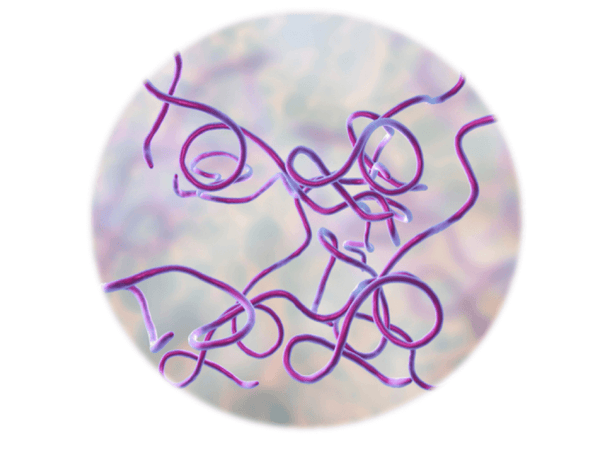
Pathogen test The PCR test detects the genome (DNA) of Leptospira interrogans, the pathogen responsible for Leptospirosis. Sample 5 mL - blood - K3 EDTA tube Turnaround time 2 to 5 working days What is Leptospirosis? Leptospirosis is a bacterial infection that can result in abortion, chronic uveitis, and/or kidney failure in horses and can also infect humans, pets, and other livestock. Clinical signs Some horses with leptospirosis appear completely normal. Others might show generalised flulike signs. More serious cases present as mid- to late-term abortions, chronic uveitis (an eye disease that’s the leading cause of blindness in horses), or renal (kidney) disease. Foals from infected dams born alive might suffer from malnutrition, jaundice, pulmonary haemorrhage, or severe respiratory distress—all of which can be fatal. If you can start treatment immediately—before the infection damages eyes or organs—horses with leptospirosis generally have good prognoses. And, you can protect the rest of your herd (and yourself and other animals) by isolating infected horses, treating your other horses with preventive antibiotics or, depending on the species involved, vaccinating. Transmission Leptospirosis is caused by spiral-shaped bacteria called spirochetes, specifically leptospires, that enter an animal’s body through mucous membranes in areas such as the nostrils, lips, eyes, trachea, stomach, genitals, or anus, or through broken skin. In addition to mammals (horses, humans, squirrels, voles, and scores more), amphibians (such as frogs) and reptiles (including snakes) can become infected with and pass on the disease-causing bacteria. In horses, foals can become infected in utero. Leptospires most commonly live and multiply in the renal tubules (where urine collects in the kidneys) of reservoir or carrier hosts such as rodents, wildlife, and domestic animals. In addition to spreading in urine, leptospires can be transmitted via infected blood or tissues or by infected urine splashing into eyes or the mouth. When an infected reservoir host urinates, the leptospires pass out of its body in the urine and contaminate the surrounding ground and/or water. In fact, exposure to standing water, such as ponds or floodwaters, is the biggest risk factor for leptospirosis infection. Occasionally, says Carter, animals (horses, livestock, etc.) inhale leptospires, ingest them with feed, or transmit them via wounds or bites. Prevention Humans who work with animals or have frequent exposure to them are at a higher risk of contracting leptospirosis. The leptospirosis is now classified as a re-emerging disease. Worldwide, the incidence is increasing, which may be due to increased episodes of flooding. According to the CDC, most human leptospirosis symptoms are flulike and include: high fever; headache; chills; muscle aches; vomiting; jaundice (yellow skin and eyes); red eyes; and abdominal pain. Treatment is fairly straightforward. The emphasis now is on rapid diagnostics so the disease can be diagnosed quickly and treatment started. Prevention is characterised differently for different risk groups. For occupational exposure (for example, veterinarians and animal caretakers that might be exposed to the disease), appropriate PPE (personal protective equipment, including protective gloves and glasses) is important. For recreational exposure, preventing contact of mucous membranes and broken skin with contaminated water is advised.
£49.00
-
Borrelia burgdorferi, qPCR
Pathogen test The PCR test detects the genome (DNA) of Borrelia burgdorferi, the pathogen responsible for the Lyme disease or Borreliose. For animals with clinical signs. Sample 5 mL - blood - K3 EDTA tube Turnaround time 2 to 5 working days What is Lyme disease? Lyme disease is a tickborne illness that results from infection with members of the Borrelia burgdorferi sensu lato complex. These organisms are maintained in wild animals, but they can affect humans and some species of domesticated animals, like horses. Lyme disease has been reported in North America, Europe, Australia and parts of Asia. Clinical signs Clinical signs appear in less than 10% of horses infected with the bacteria. Signs include: Lameness (usually of larger joints) that shifts from limb to limb; Generalised stiffness; Soreness in the large joints and back; Low-grade fever (which may or may not be present); Behavioural changes such as reluctance to work and irritability; Laminitis (occasionally associated with Lyme disease) Horses do not show a skin rash with Lyme disease. Swelling around a tick bite in a horse is generally due to a reaction to the tick’s saliva, not Lyme disease. Transmission The ticks become infected when they feed on rodents such as the white-footed mouse that carry the bacteria. The tick can then pass on this infection when it feeds on another host, such as a horse or deer. The bacteria migrate from the tick to the horse after 12 to 24 hours of attachment. In areas where the incidence of disease is high among people, only about 50% of horses are likely to become infected. Of these horses, less than 1 in 10 develops clinical signs of the disease. The remaining horses either have subclinical infection (carry the antibodies against the bacteria but remain clinically healthy) or their immune systems fight off the bacteria (and these horses carry the antibodies to Lyme disease for up to a year). People can also be infected with Lyme disease, but there is no risk of the disease being transmitted from horses to humans. Prevention Since there is no vaccine available, prevention is focused on control of the tick population: Perform a daily tick examination. Remember that it takes 12 to 24 hours of attachment for bacteria to migrate from the tick to the host. Treat turned out horses with permethrin-based insect repellents during peak adult deer tick seasons: early spring, late summer, and fall. Minimize habitat for ticks and their hosts.
£49.00
-
Surra qPCR
Pathogen test The PCR test detects the genome (DNA) of Trypanosoma evansis, the pathogen responsible for Surra. Sample 5 mL - blood - K3 EDTA tube Turnaround time 2 to 5 working days What is Surra? Trypanosoma evansi causes a trypanosomosis known as ‘surra’.This parasite, which has been reported in domestic and wild mammals, can cause considerable economic losses. The trypanosomes reproduce in the blood of the vertebrate host, and the trypomastigote forms are transmitted mechanically by bloodsucking insects from infected to uninfected animals. Surra is the most commonly reported disease in some continents due to the favorable environment for insects. In recent years, several outbreaks or isolated cases have been reported in certain European countries, an atypical region for the disease. Clinical signs The general clinical signs of evansi infections: pyrexia directly associated with parasitaemia together with a progressive anaemia, loss of condition and lassitude are not sufficiently pathognomonic for diagnosis. Recurrent episodes of fever and parasitaemia occur during the course of the disease. Oedema, particularly of the lower parts of the body, urticarial plaques and petechial haemorrhages of the serous membranes are sometimes observed in horses. Abortions have been reported in buffalos and camels. Nervous signs are common in horses. The disease causes immunodeficiencies that may be of high impact when interfering with other diseases or vaccination campaigns. Trypanosomiasis caused by evansi can be clinically confused with other diseases, including equine protozoal myeloencephalitis in the chronic stages. Where surra is suspected, it is important to rule out other causes of equine neurologic disease. Transmission Surra is a non-contagious disease, transmitted only mechanically by several different genera of haematophagous flies. The efficiency of vector transmission is dependent on high intensity of fly challenge, the presence of high numbers of the parasite in the blood of horses, and the close herding of animals that maintains short intervals between successive feeds. The infectivity of a fly is highest within minutes of feeding and drops quickly thereafter, with the loss of ability to reinfect when feeding intervals exceed 8 hours. Wild carnivores and dogs can be infected by ingestion of meat from parasitaemic animals. In Central and South America, The vampire bat can also act as a vector. The disease can be reproduced experimentally by blood inoculation. Prevention There is no vaccine against trypanosomiasis. Therefore, conventional disease control measures are based on the use of curative and preventive drugs to combat the parasite and interventions to control fly populations. Control and eradication of surra from an area is usually depends upon the detection and treatment of infected animals. Protection of susceptible animals from biting flies by smoking and using flies repellants.
£49.00
-
EHV1 & EHV4 ELISA
Pathogen test This ELISA test detects antibodies to Equine Herpesvirus Type 1 (EHV-1) and to Equine Hespesvirus type 4 (EHV-4), the 2 agents responsible for Rhinopneumonitis. ELISA test with ab tritation. Sample 5 mL - blood - serum tube Turnaround time 2 to 5 working days What is Rhinopneumonitis? Equine Rhinopneumonitis (ER) is a collective term for any one of several highly contagious, clinical disease entities of equids that may occur as a result of infection by either of two closely related herpesviruses, equid herpesvirus-1 and -4 (EHV-1 and EHV-4). Infection by either EHV-1 or EHV-4 is characterised by a primary respiratory tract disease of varying severity that is related to the age and immunological status of the infected animal. Infections by EHV-1 in particular are capable of progression beyond the respiratory mucosa to cause the more serious disease manifestations of abortion, perinatal foal death, or neurological dysfunction. Clinical signs The incubation period (period of time from exposure to development of first clinical signs) ranges from 2 to 10 days. Respiratory signs for EHV-1 and EHV-4 include high temperature that lasts for 1-7 days, coughing, depression, inappetence (going off feed), and nasal discharge. Abortion usually occurs between months 7 and 11 of gestation, about 2-12 weeks after infection. There is no evidence that the mare’s reproductive tract is damaged, and it does not affect her ability to conceive in later pregnancies. Signs of neurologic disease for EHV-1 and EHV-4 include mild incoordination, hindlimb paralysis, recumbency (lying down and being unable to get up), loss of bladder and tail function, and loss of sensation to the skin around the tail and hindlimb areas. Transmission Transmission occurs when infected and uninfected horses come in either direct (nose to nose contact) or indirect (through buckets, clothing, blankets that are contaminated) contact with nasal discharges of infected horses. The virus can travel via aerosol (in the air) for short distances. The virus may also be transmitted by contact with aborted foetuses, placental fluids, or placentas from infected horses. Also, following infection, horses may become latent carriers of EHV; virus may be reactivated after stress or high doses of corticosteroids. Upon detection of clinical signs suggestive of EHV, the veterinarian may choose to take a nasopharyngeal (nose and throat) swab of the horse, blood sample, or tissue from the aborted foetus for detection of virus in the tissues. Paired blood samples for detection of antibody trites (levels) may also be taken. Treatment involves supportive care and treatment of the symptoms. Non-steroidal anti-inflamatory drugs are commonly used to reduce fever, pain and inflammation. In uncomplicated cases, complete recovery will occur in a few weeks. Horses with neurological disease have variable recovery rates depending on severity of the clinical signs. The prognosis is poor if the horse is recumbent (unable to stand) for an extended period of time. The horse should be rested until fully recovered and gradually returned to work. Prevention Transmission occurs when infected and uninfected horses come in either direct (nose to nose contact) or indirect (through buckets, clothing, blankets that are contaminated) contact with nasal discharges of infected horses. The virus can travel via aerosol (in the air) for short distances. The virus may also be transmitted by contact with aborted foetuses, placental fluids, or placentas from infected horses. Also, following infection, horses may become latent carriers of EHV; virus may be reactivated after stress or high doses of corticosteroids. Upon detection of clinical signs suggestive of EHV, the veterinarian may choose to take a nasopharyngeal (nose and throat) swab of the horse, blood sample, or tissue from the aborted foetus for detection of virus in the tissues. Paired blood samples for detection of antibody triers (levels) may also be taken. Treatment involves supportive care and treatment of the symptoms. Non-steroidal anti-inflamatory drugs are commonly used to reduce fever, pain and inflammation. In uncomplicated cases, complete recovery will occur in a few weeks. Horses with neurological disease have variable recovery rates depending on severity of the clinical signs. The prognosis is poor if the horse is recumbent (unable to stand) for an extended period of time. The horse should be rested until fully recovered and gradually returned to work.
£51.00
-
Equine Influenza A ELISA
Pathogen test This ELISA test detects antibodies to Equine Influenza Virus Type A. Equine Influenza is a disease listed in the OIE Terrestrial Animal Health Code and countries are obligated to report the occurrence of the disease according to the OIE Code. Sample 5 mL - blood - serum tube Turnaround time 2 to 5 working days What is Equine Influenza? Equine Influenza (EI) is a highly contagious though rarely fatal respiratory disease of horses, donkeys and mules and other equidae. The disease has been recorded throughout history, and when horses were the main draft animals, outbreaks of EI crippled the economy. Nowadays outbreaks still have a severe impact on the horse industry. EI is caused by two subtypes of influenza A viruses: H7N7 and H3N8, of the family Orthomyxoviridae. They are related to but distinct from the viruses that cause human and avian influenza. Once introduced into an area with a susceptible population, the disease, with an incubation period of only one to three days, spreads quickly and is capable of causing explosive outbreaks. Crowding and transportation are factors that favour the spread of EI. Clinical signs In fully susceptible animals, clinical signs include fever and a harsh dry cough followed by a nasal discharge. Depression, loss of appetite, muscle pain and weakness are frequently observed. The clinical signs generally abate within a few days, but complications due to secondary infections are common. While most animals recover in two weeks, the cough may continue longer and it may take as much as six months for some horses to regain their full ability. If animals are not rested adequately, the clinical course is prolonged. Transmission Highly contagious, EI is spread by contact with infected animals, which in coughing excrete the virus. Animals can begin to excrete the virus as they develop a fever before showing clinical signs. It can also be spread by mechanical transmission of the virus on clothing, equipment, brushes etc carried by people working with horses. Prevention Vaccination is practiced in most countries. However, due to the variability of the strains of virus in circulation, and the difficulty in matching the vaccine strain to the strains of virus in circulation. Vaccination does not always prevent infection although it can reduce the severity of the disease and speed recovery times. Act immediately if you see flulike signs in your horse, especially if you have multiple animals housed together. Being proactive can help halt disease spread and save money and time. Call your veterinarian and have him or her take nasal swab samples first to determine what pathogen you are dealing with (several diseases can cause similar signs in infected horses) and treat accordingly. Immediately place the horse in question in a quarantine area and thoroughly clean and disinfect any areas or equipment he has been in contact with. Because horses with influenza do not show signs right away, quarantine other horses that have been housed close to the sick one, as they are most likely already infected. Flu’s incubation period, or time that a horse is infectious before showing signs of illness, is about three days. Management techniques can also help reduce disease spread, including designating one person to handle/treat the sick horse, treating the horse at the end of the day/shift (when the handler won’t be coming into contact with other horses), and setting up foot baths with disinfectant solution for handlers to dip their shoes in as they enter and exit the premises. Disinfecting equipment such as buckets and hoses as well as tack can also prevent disease spread. Regardless of your disinfection protocol, be sure to dedicate a separate water bucket and hose for the sick horse.
£22.00
-
Equine Coital Exanthema, qPCR
Pathogen test The qPCR test detects the genome (DNA) of Equine Herpesvirus Type 3 (EHV-3), the pathogen responsible for the Equine Coital Exanthema. Molecular detection of EHV-3 by PCR is the most sensitive, specific and accurate tool in assessing the infectivity of an affected horse Sample 5 mL - blood - K3 EDTA tube 1 genital swab - dry swab 20 gr - placental or foetal tissue - sterile flask Turnaround time 2 to 5 working days What is Equine Coital Exanthema? Equine Herpesvirus type 3 (EHV-3) causes coital exanthema, a contagious genital infection (vulva in mares, penis and scrotum in stallions), spread venereally and characterised by numerous small blisters or spots, sometimes called ‘the pox’. Clinical signs The clinical presentation of equine coital exanthema (ECE) is characterised by the presence of superficial lesions on the skin of the external genitalia of mares or stallions. The progress of each cutaneous lesion follows a well-defined and predictable course. Transmission Infection by EHV-3 occurs via direct cutaneous contact either during the act of coitus or by the transfer of virus-containing secretions from contaminated objects, such as hands, gloves, instruments, palpation sleeves, sponges and the lips or nose of a horse. The virus is easily transmitted by simple contact with the skin; the epidermal surface need not be damaged for infection to be established. Prevention There is no commercial vaccine against EHV-3. A stringent code of practice should be implemented within breeding sheds following observation of a case of ECE. The three priorities necessary for successful ECE control are: Cessation of breeding of clinically affected animals; Heightened vigilance on the part of personnel for early recognition of new clinical cases; Strict adherence to breeding shed hygiene procedures designed to eliminate mechanical transmission of the virus.
£49.00
-
Equine Herpesvirus Type 2, qPCR
Pathogen test The qPCR test detects the genome (DNA) of Equine Herpesvirus Type 2 (EHV-2). Serological detection of EHV-2 is of limited use to determine the re-activation of this herpesvirus. EHV-2 can remain latent in affected animals while shedding at levels adequate to infect other horses. Molecular detection of EHV-2 by qPCR is the most sensitive, specific and accurate tool in assessing the infectivity of an affected horse. Sample 1 nasopharyngeal swab - dry swab 5 mL - K3 EDTA tube 5 mL - liquor (CSF) - sterile tube Turnaround time 2 to 5 working days What is Herpesvirus Type 2? Equine Herpesvirus Type1 2 (EHV-2) was recently classified within the Gammaherpesvirinae subfamily. EHV-2 is widely spread in horse populations and it has been isolated from healthy animals as well as from horses with different clinical signs. EHV-2 is able to establish persistent infections. Various observations indicate that EHV-2 should not be neglected as a pathogen in equids. There are convincing results indicating that EHV-2 has a role as a predisposing factor for Rhodococcus equi invasion in the respiratory tract. Also as been suggested that EHV-2 may play a role in transactivation and reactivation of latent EHV-1 and EHV-4 infections. Clinical signs EHV-2 infection occurs most frequently in young foals, and the most common symptoms are keratoconjunctivitis, respiratory disease with pneumonia and pharyngitis, fever, enlarged lymph nodes, inappetence/anorexia, general malaise, and poor performance. There is no evidence that EHV-2 has abortigenic potential. Transmission The prowess of EHV-2 as a successfully adapted viral parasite of the horse is substantiated by seroepidemiological and virological studies which indicate almost universal acquisition of viral infection by young foals. The limited data collected supports the scenario that EHV-2, in aerosolised infective material excreted from the respiratory tract of another virus-shedding horse, enters the new host through the upper respiratory tract where it infects and replicates first in the respiratory mucosal epithelium. Prenatal infection with EHV-2 has not been recorded, and the virus has not been detected in colostrum or milk. Experimental infection of a mid-gestational equine foetus in utero resulted in normal term delivery, although the foal showed mild rhinitis and conjunctivitis, with nasal shed- ding of EHV-2. Prevention On the basis of evidence suggesting that EHV-2 infection can play an etiological role in predisposing foals to subsequent R. equi pneumonia, both passive immunisation with hyperimmune equine serum against EHV-2 and active immunisation with an vaccine containing EHV-2 glycoprotein antigens have been used, with reported success, for the prophylactic treatment of annual reoccurrences of this highly fatal foal disease. Ocular disease in foals associated with infection by EHV-2 on breeding farms has been successfully treated with ophthalmic ointments containing either idoxuridine or trifluridine together with antibiotics and non-steroidal anti-inflammatory agents.
£49.00
-
Rhodococcus equi qPCR
Pathogen test The PCR test detects the genome (DNA) of the Rhodococcus equi, the pathogen responsible for Pneumonia. Sample 1 nasopharyngeal swab - dry swab Turnaround time 2 to 5 working days What is Pneumonia? Rhodococcus equi, a Gram‐positive facultative intracellular pathogen, is one of the most common causes of pneumonia in foals. Rhodococcus equi is a very well recognized pathogen in horses – it is a common cause of pneumonia in foalsbetween the ages of 1-6 months, and infection is also sometimes associated with other problems such as diarrheas, swollen joints and abscesses in other parts of the body. The infection can be very difficult to treat because the bacteria are able to live inside white blood cells, which helps protect them from the body’s immune system, and because they often cause abscesses to form, which are difficult for antibiotics to penetrate. Rhodococcus equi infection in foals has been studied extensively, but there’s still a lot we don’t know how the body defends itself against this organism. Clinical signs The most common clinical manifestation of R. equi infections in foals is bronchopneumonia. Early clinical signs may only include a slight increase in respiratory rate and a mild fever. These subtle clinical signs are often either missed or ignored, allowing the condition to progress. As the disease progresses, clinical signs might include: • Decreased appetite • Lethargy • Fever • Tachypnea • Increased effort of breathing characterised by nostril flaring and increased abdominal effort Cough and bilateral nasal discharge are inconsistent finding. Because ultrasonographic screening for early detection has become routine practice at some farms endemic for pneumonia caused by R. equi (see below), the most frequently recognised form of R. equi infection at those farms is a subclinical form in which foals develop sonographic evidence of peripheral pulmonary consolidation or abscessation without necessarily manifesting clinical signs. Extrapulmonary manifestations of rhodococcal infections are common. Extrapulmonary disorders might occur concurrent with or independent of pneumonia. Abdominal lesions (see necropsy below) are present in approximately 50% of foals that die from infections caused by R. equi. However, the majority of foals with abdominal lesions do not show clinical signs of abdominal disease. Polysynovitis is present in approximately 25–30% of cases with clinical R. equi infections. In some foals, lameness might be the result of septic arthritis or, more commonly, osteomyelitis caused by R. equi. Uveitis is not uncommon and might result in blepharospasm, ocular discharge, and blindness in severely affected foals. Occasionally, R. equi can cause infections of a variety of other extrapulmonary tissues or organs. Although rare, clinical signs resulting from abdominal infection with R. equi might include fever, diarrhoea, weight loss or failure to thrive, and colic. Transmission Inhalation of virulent R. equi is the major route of pulmonary infection in foals. Ingestion of the organism is an important route of exposure, and likely of immunisation, but rarely leads to hematogenously acquired pneumonia unless a foal has multiple exposures to extremely large numbers of bacteria. Prevention In the absence of an effective vaccine, control and prevention of the disease at farms endemic for infections caused by R. equi have relied on passive immunisation and screening to promote earlier recognition of the disease. There are no isolation requirements for foals with this disease. Foals with pneumonia caused by R. equi shed higher numbers of R. equi in their feces than healthy foals or foals with subclinical lesions. Therefore, pneumonic foals might be an important source of contamination of the environment with virulent R. equi but there is no evidence that R. equi infection is contagious among foals and exposure to virulent R. equi is widespread in the environment of foals. Thus, currently no environmental management practice or biosecurity measure has sufficient evidence on which to base recommendations for controlling and preventing R. equi pneumonia. Zoonotic Potential R. equi can occasionally cause severe pulmonary or systemic infections in immunosuppressed people. Infections with R. equi are extremely rare and typically less severe in immunocompetent individuals.
£49.00