-
Borrelia burgdorferi, IFAT
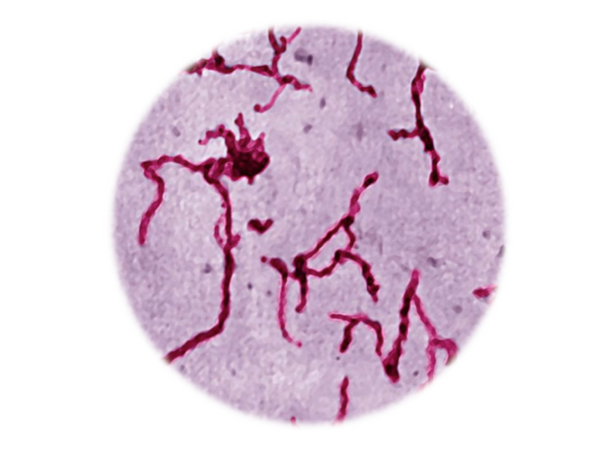
Pathogen test IFAT for Borrelia burgdorferi, the pathogen responsible for the Lyme disease or Borreliose. IgG + IgM IgG titers of 1:64 are considered doubtful, IgG titers of 1:128 and higher are considered positive in the sense of an infection that has occurred. Recent infections appear with a positive IgM titer, but may be IgG negative. Sample 5 mL - blood - serum tube Turnaround time 2 to 5 working days What is Lyme disease? Lyme disease is a tickborne illness that results from infection with members of the Borrelia burgdorferi sensu lato complex. These organisms are maintained in wild animals, but they can affect humans and some species of domesticated animals, like horses. Lyme disease has been reported in North America, Europe, Australia and parts of Asia. Clinical signs Clinical signs appear in less than 10% of horses infected with the bacteria. Signs include: Lameness (usually of larger joints) that shifts from limb to limb; Generalised stiffness; Soreness in the large joints and back; Low-grade fever (which may or may not be present); Behavioural changes such as reluctance to work and irritability; Laminitis (occasionally associated with Lyme disease) Horses do not show a skin rash with Lyme disease. Swelling around a tick bite in a horse is generally due to a reaction to the tick’s saliva, not Lyme disease. Transmission The ticks become infected when they feed on rodents such as the white-footed mouse that carry the bacteria. The tick can then pass on this infection when it feeds on another host, such as a horse or deer. The bacteria migrate from the tick to the horse after 12 to 24 hours of attachment. In areas where the incidence of disease is high among people, only about 50% of horses are likely to become infected. Of these horses, less than 1 in 10 develops clinical signs of the disease. The remaining horses either have subclinical infection (carry the antibodies against the bacteria but remain clinically healthy) or their immune systems fight off the bacteria (and these horses carry the antibodies to Lyme disease for up to a year). People can also be infected with Lyme disease, but there is no risk of the disease being transmitted from horses to humans. Prevention Since there is no vaccine available, prevention is focused on control of the tick population: Perform a daily tick examination. Remember that it takes 12 to 24 hours of attachment for bacteria to migrate from the tick to the host. Treat turned out horses with permethrin-based insect repellents during peak adult deer tick seasons: early spring, late summer, and fall. Minimize habitat for ticks and their hosts.
€55.17
-
Leptospira MAT
Pathogen test The microscopic agglutination test (MAT) is the reference test method for the serodiagnosis of leptospirosis both in humans and in animals (World Health Organization (WHO), 2003; World Organisation for Animal Health (OIE, 2008). This test detects antibodies to specific serovars using live leptospiral antigens, and can be performed on serum from any species. Sample5 mL - blood - serum tube Turnaround time2 to 5 working days What is Leptospirosis?Leptospirosis is a bacterial infection that can result in abortion, chronic uveitis, and/or kidney failure in horses and can also infect humans, pets, and other livestock. Clinical signsSome horses with leptospirosis appear completely normal. Others might show generalised flulike signs.More serious cases present as mid- to late-term abortions, chronic uveitis (an eye disease that’s the leading cause of blindness in horses), or renal (kidney) disease.Foals from infected dams born alive might suffer from malnutrition, jaundice, pulmonary haemorrhage, or severe respiratory distress—all of which can be fatal. If you can start treatment immediately—before the infection damages eyes or organs—horses with leptospirosis generally have good prognoses. And, you can protect the rest of your herd (and yourself and other animals) by isolating infected horses, treating your other horses with preventive antibiotics or, depending on the species involved, vaccinating. TransmissionLeptospirosis is caused by spiral-shaped bacteria called spirochetes, specifically leptospires, that enter an animal’s body through mucous membranes in areas such as the nostrils, lips, eyes, trachea, stomach, genitals, or anus, or through broken skin. In addition to mammals (horses, humans, squirrels, voles, and scores more), amphibians (such as frogs) and reptiles (including snakes) can become infected with and pass on the disease-causing bacteria. In horses, foals can become infected in utero.Leptospires most commonly live and multiply in the renal tubules (where urine collects in the kidneys) of reservoir or carrier hosts such as rodents, wildlife, and domestic animals. In addition to spreading in urine, leptospires can be transmitted via infected blood or tissues or by infected urine splashing into eyes or the mouth.When an infected reservoir host urinates, the leptospires pass out of its body in the urine and contaminate the surrounding ground and/or water. In fact, exposure to standing water, such as ponds or floodwaters, is the biggest risk factor for leptospirosis infection. Occasionally, says Carter, animals (horses, livestock, etc.) inhale leptospires, ingest them with feed, or transmit them via wounds or bites. PreventionHumans who work with animals or have frequent exposure to them are at a higher risk of contracting leptospirosis.The leptospirosis is now classified as a re-emerging disease. Worldwide, the incidence is increasing, which may be due to increased episodes of flooding. According to the CDC, most human leptospirosis symptoms are flulike and include: high fever; headache; chills; muscle aches; vomiting; jaundice (yellow skin and eyes); red eyes; and abdominal pain.Treatment is fairly straightforward. The emphasis now is on rapid diagnostics so the disease can be diagnosed quickly and treatment started.Prevention is characterised differently for different risk groups. For occupational exposure (for example, veterinarians and animal caretakers that might be exposed to the disease), appropriate PPE (personal protective equipment, including protective gloves and glasses) is important. For recreational exposure, preventing contact of mucous membranes and broken skin with contaminated water is advised.
€67.48
-
Anaplasma phagocytophilum/ Erlichiosis by IFAT
Anaplasma phagocytophilum / Erlichiosis test by IFAT the bacterium (formerly known as Ehrlichia phagocytophila and Ehrlichia equi) responsible for the Equine Anaplasmosis. Sample5 mL of blood in a serum tube Turnaround time2 to 5 working daysWhat is Equine Anaplasmosis?Anaplasmosis is a tick-borne disease caused by the bacterium Anaplasma phagocytophilum that infects white blood cells. The disease is transmitted by ticks. The risk of transmission to people is unclear at this time.Although horses and people appear to be infected with strains of the same bacteria, it is believed that people also acquire the infection from tick bites, and not directly from infected horses. Clinical signsThe severity of signs varies with the age of the animal and duration of the illness. Signs may be mild.Horses less than 1 year old may have a fever only; horses 1 to 3 years old develop fever, depression, mild limb swelling, and lack of coordination.Adults exhibit the characteristic signs of fever, poor appetite, depression, reluctance to move, limb swelling, and jaundice.Fever is highest during the first 1 to 3 days of infection, but may last for 6 to 12 days. Signs become more severe over several days.Any existing infection (such as a leg wound or respiratory infection) can be made worse. TransmissionThe disease is transmitted by ticks.Immature ticks pick up the bacterium from rodents who serve as reservoirs, maintain it as they mature, and then transmit it to the horse they feed off of as adults. It is unknown how long the tick has to be attached before transmission occurs.It takes approximately 2-3 weeks after disease transmission for the horse to develop clinical signs of Anaplasmosis, meaning that by the time signs are noticed the tick is long gone.Phagocytophilum organisms infect neutrophils and eosinophils in the blood. PreventionThe disease is easily treated in the early stages using appropriate antibiotics.The severity of the disease is variable; many horses recover after 14 days without treatment. However, rare fatalities have occurred that are believed to be associated with secondary infections.Horses with severe signs and neurologic signs may benefit from injectable corticosteroids.Recovered horses develop immunity for at least 2 years and are not carriers.Tick control measures are mandatory for control of the disease.There is no vaccine.
€55.17
-
Copper
Parameter Copper Sample 5 mL - blood - serum tube Turnaround time 2 to 5 working days
€11.99
-
Equine uterine culture
Parameter Culture of the uterus Sample Uterine swab in special culture transport system Turnaround time 1-15 day for bacterial growth Several days (>15) for yeast and other fungal growth
€39.43
-
Advanced Cytology
Parameter Entails a detailed examination of cells, using advanced techniques not only to identify abnormalities and diagnose diseases but also to perform precise cell counts, including differential counts to distinguish between different cell types or identify specific cellular abnormalities. Sample Typically involves cell samples from tissues, lavages or fluid aspirations, with cell counts performed using staining techniques to facilitate easier observation and counting, and to provide detailed counts and information on cell types. Turnaround time The results for advanced cytological studies, including differential cell counts, may take longer than basic cytology due to the complexity of the tests and analyses involved are usually ready within 2-4 working days.
€43.05
-
Strangles Bacterial Culture
Pathogen test The bacterial culture will be reported positive if a beta-hemolytic Streptococcus species is grown and identified specifically as the Strep equi (formal name is Streptococcus equi subspecies equi). Sample Live Strep equi organisms must be recovered by a swab or wash of the nasopharynx, nasal passages, or draining abscesses. Turnaround time 2 to 5 working days What is Stranglers? Strangles is a highly contagious upper respiratory infection of horses caused by the bacteria Streptococcus equi subspecies equi (S. equi). It is transmitted by inhalation or direct contact with contaminated surfaces (for example horses sharing water buckets). The bacteria colonize the horse’s tonsils and pharynx within hours of infection, and then infect the lymph nodes under and behind the jaw resulting in abscessation of these structures days later. Horses develop a fever initially, but are typically not contagious during the initial 48-72 hours. Rarely, infection spreads to other parts of the body resulting in abscesses in other organs such as the intestines, kidneys, lungs, spleen or liver. This is often called “bastard strangles” or metastatic abscessation. A few horses may develop a hypersensitivity reaction to the bacteria with repeated exposure either in the form of infection or vaccination otherwise known as purpura hemorrhagica. Horses that develop classic clinical signs and are not treated with antibiotics have the potential to develop immune protection up to five years. Clinical signs Classic clinical signs include a fever (often >103°F or 39.5°C) first, followed by one or more of the following symptoms: depression, thick nasal discharge and lymph node enlargement under the jaw and/or in the throat latch region. The abscessed lymph nodes may drain externally or into the guttural pouches (blind-end sacs connected to the throat in horses) resulting in nasal discharge. Horses that have been vaccinated for strangles or horses that have previous partial immunity may develop milder signs of upper respiratory tract infection. Bastard strangles cases may develop colic signs, fever, and/or weight loss with or without a history of previous strangles disease or exposure. Horses with purpura hemorrhagica may develop edema of the head, trunk, and/or legs; and broken blood vessels or bruising of the mucous membranes of the mouth, eyes and nose. Additional signs can include fever, severe depression, and muscle tightness. The severity of symptoms in purpura hemorrhagica cases ranges from mild to life-threatening. Transmission Strangles is caused by oral exposure of a horse to S. equi bacteria. Once within the oral cavity, the bacteria invade the tonsils and subsequently colonize the lymph nodes. Bacteria can be transmitted through contact with pus or nasal discharges from an infected horse, or from contaminated bedding or barn equipment (water troughs, buckets, etc.). Flies may also act as vectors, spreading the bacteria from horse to horse. Under the right conditions, S. equi can survive in the environment for weeks or months. Exposure of a horse to S. equi does not necessarily mean that it will come down with strangles. Factors that influence the risk of disease include dose of bacteria (poor sanitation and direct contact with nasal secretions and pus increase the chance of disease); immune status of horse. Previously exposed horses are often immune to the disease, or do not get as sick as unexposed horses. During the first three to six months of life, foals are often protected by maternal antibodies. Vaccination can also increase resistance to the disease; stress (poor nutrition, overcrowding, lengthy transportation or pre-existing diseases increase the risk of strangles). Strangles may be transmitted by “silent shedders” who do not display signs of disease. These horses commonly carry the strangles organism in the guttural pouch, an air sac at the back of the horse’s throat. Detection of these animals requires guttural pouch endoscopy (passing an endoscope via the horse’s nose into the guttual pouch). Strangles is most commonly transmitted by acutely ill or recovering horses that are still shedding bacteria in their nasal secretions. Bacterial culture results have a turnaround time of 2 to 3 days. The DNA test known as Polymerase Chain Reaction (PCR) takes less than a day. However, it may take an additional 1 to 2 days to send samples to the laboratory. Prevention Biosecurity on the farm is necessary to prevent spread of disease. Isolate new horses for three weeks prior to introducing them to the rest of the population. Isolate any horse with a fever and signs of strangles. Do not share tack or equipment between sick horses and others Perform twice daily monitoring of rectal temperatures of all horses in an outbreak to identify new cases. Stop all movement of horses to and from farm when strangles is identified. Disinfect water buckets daily. Use strict hygiene between horses to reduce spread of the disease. Ideally, three throat flush samples are obtained from recovering horses and any horses who were in contact with sick horses at approximately weekly intervals and tested for S. equi subsp equi by PCR and culture. Identification of strangles bacteria in clinically recovered horses may mean the guttural pouches have retained some infection. Endoscopy of the guttural pouches provides visualisation of any pus or dried debris (chondroids) that harbor the bacteria. A small number of horses will recover from strangles and continue to shed bacteria from the guttural pouch, causing recurrent farm outbreaks. Detection and treatment of these “silent carriers” (S. equi bacteria in guttural pouches) via endoscopy and PCR is essential for preventing disease recurrence on a farm. Discuss vaccination types and recommendations with your veterinarian. Vaccination does not provide 100% immunity against S. equi infection. Vaccination is not recommended during or within two years of a strangles outbreak due to the increased risk of purpura hemorrhagica.
€30.75
-
Gift Card EG
Shopping for someone else but not sure what to give them? Is he/she a Horse-lover ? Give them the gift of choice with a Equigerminal gift card. Gift cards are delivered by email and contain instructions to redeem them at checkout.Our gift cards have no additional processing fees.
€50.00 - €200.00
-
Equine Piroplasmosis Bundle: cELISA & qPCR
Equine Piroplasmosis Bundle: cELISA & qPCR Our Equine Piroplasmosis Bundle combines cELISA and qPCR tests for comprehensive detection of antibodies to Babesia caballi and Theileria equi. This bundle is crucial for the official trading, import, and export of horses. Product Overview The bundle includes: Two cELISA Tests: Detect antibodies to Babesia caballi and Theileria equi. Used for official trading and movement of horses. Follows ISO/IEC 17025 standards, ensuring high quality and reliability. qPCR Test: Detects the genome of Babesia caballi and Theileria equi, providing highly sensitive detection of piroplasms, ideal for early infection detection and during febrile peaks. Sample Requirements 5 mL of blood or serum - collect blood in a dry tube for cELISA 5 mL of blood - collect blood in K3 EDTA tube for qPCR Turnaround Time Standard Processing: Results in 2 working days after sample arrival at the laboratory. Clients are responsible for organizing and covering the costs of sending the samples to the laboratory. What is Piroplasmosis? Equine piroplasmosis (EP) is a tick-borne disease of horses caused by the intraerythrocytic protozoan parasites Babesia caballi and Theileria equi. These agents are transmitted through a tick vector. Infected animals may remain carriers of these blood parasites for long periods and act as sources of infection for other ticks. The parasites are found in southern Europe, Asia, countries of the Commonwealth of Independent States, Africa, Cuba, South and Central America, and parts of the southern United States. Clinical Signs Incubation period: 12 to 19 days for T. equi and 10 to 30 days for B. caballi. Per-acute form: Rare, with only clinical observation being moribund or dead animals. Acute form: Fever, reduced appetite, elevated respiratory and pulse rates, congestion of mucous membranes, dark red urine, smaller and drier faecal balls, anaemia, and/or icterus. Subacute form: Similar to acute form but with weight loss and intermittent fever. Mucous membranes may vary from pale pink to bright yellow. Chronic form: Mild inappetence, poor performance, weight loss. Documented case fatality rates vary from 10–50%. Transmission Babesia caballi sporozoites invade red blood cells (RBCs), transforming into trophozoites which divide into merozoites, capable of infecting new RBCs. B. caballi can be found in various organs of tick vectors and transmit transovarially. Theileria equi sporozoites, inoculated into horses via a tick bite, invade lymphocytes, develop into schizonts, and release merozoites that invade RBCs. T. equi develop in the salivary glands of the tick vector and are not transmitted transovarially. Transmission is also possible through mechanical vectors contaminated by infected blood. Prevention Sanitary Prophylaxis: Testing and controlling tick exposure, using repellents, acaricides, and regular inspections, controlling and eradicating the tick vector, and quarantining EP-positive animals. Medical Prophylaxis: No current biological products are available. Antiprotozoal agents only temporarily clear T. equi from carriers. How It Works How It Works 🛒 Purchase the Test: Select and buy the test online. 📧 Receive Instructions: After payment confirmation, receive instructions for sample collection. ✨ Sample Collection: Your veterinarian collects the sample. 📄 Download Submission Form: Download the printable submission form here. 📮 Send Samples: Send to our lab by regular mail or express delivery to:Equigerminal LabIPN Incubadora, Rua Pedro Nunes, EdifC3030-199 Coimbra, PORTUGAL 📄 Receive Results: Get the result certificate by email. If you need assistance, contact us at support@equigerminal.pt. More Info View More Info For more detailed information on the cELISA and qPCR Tests, including sample collection and submission instructions, please visit our website or contact our support team. Visit our detailed diagnosis page for more information. FAQs View FAQs How do the cELISA and qPCR tests work? The cELISA test detects antibodies to Babesia caballi and Theileria equi, providing a highly sensitive and specific method for identifying the presence of the pathogens. The qPCR test detects the genome of these pathogens, making it ideal for early infection detection and during febrile peaks. What types of samples are required for the tests? The cELISA test requires 5 mL of blood or serum collected in a dry tube. The qPCR test requires 5 mL of blood collected in a K3 EDTA tube. How long does it take to get the test results? The turnaround time for the cELISA and qPCR tests is typically 2 working days from the receipt of the sample in the laboratory. What should be done if a horse tests positive for Piroplasmosis? Horses that test positive should be isolated to prevent the spread of the disease. Follow biosecurity measures and consult with a veterinarian for appropriate treatment and management. How can Piroplasmosis be prevented? Prevention involves testing and controlling tick exposure, using repellents, acaricides, and regular inspections, controlling and eradicating the tick vector, and quarantining EP-positive animals.
€150.00
-
Equine Anemia Pathogen Screening Panel
Pathogen profile Screening of 6 pathogens responsible anemia signs in equines : Equine Infectious Anemia Virus (EIAV), Anaplasma phagocytophilum, Borrelia Burgdorferi, Leptospira interrogans, Babesia caballi and Theileria equi. Sample 5 mL of blood - K3 EDTA tube Turnaround time 2 to 5 working days
€175.00
-
Neurological signs profile
Pathogen profile This profile includes 10 qPCR tests that detects 10 pathogens responsible for neurological disease in horses such as: EHV-1, EPM, EEE, EEV, VEE, JEV, WEE, WNV, RBV, Hendra. Sample 5 mL - blood ( K3 EDTA tube) and/or 5mL - liquor (CSF) in a sterile tube Turnaround time 2 to 5 working days
€369.00
-
Eastern Equine Encephalitis, RT-qPCR
Pathogen test The RT-qPCR test detects the genome (RNA) of Eastern Equine Encephalitis (EEE) virus. Sample 5 mL - blood - K3 EDTA tube 5mL - liquor (CSF) - sterile tube Turnaround time 2 to 5 working days What is Eastern Equine Encephalitis? Eastern equine encephalitis (EEE), also referred to as triple E, is a viral illness transmitted to humans and horses by the bite of an infected mosquito. The insects pick up the virus from biting an infected bird. Clinical signs EEE viruses affect the nervous system, so affected animals will have fever, depression and changes in behaviour. Signs of infection may also include impaired vision, muscle twitches, circling or head pressing behaviours, the inability to swallow, paralysis and convulsions. Horses infected with EEE often do not survive Transmission The virus is transmitted to people and horses by bites from infected mosquitoes and birds during wet, summer months Prevention Vaccines for EEE are available for horses. Measures to control mosquito populations and minimize mosquito exposure will decrease chances of infection.
€61.50
-
Projected Height test, LCORL/NCAPG
DNA test kit DNA test to predict the genetic potential for being a small, medium or tall height horse. Sample 30 to 40 hair roots - envelope or 5 mL of blood - K3 EDTA tube Turnaround time 5 to 8 working days Why test? Confidently predict the expected mature height at withers of a young foal. Identify horses that are 70% likely to be within the specific height range desired by the owner. Produce horses of a desired height more consistently. Results description The DNA test verifies the presence of the (C) allele associated to tall height horses, and presents the results as one of the following: C/C – Tall physical height. This genotype, with two copies of the (C) allele, is associated with large horses, (169+/-4 cm height at the withers). This genotype can be found in draught horses, Westphalians (31%), Oldenburgs (29%), Hanoverians (28%), Holsteiners (18%) and Pureblood Lusitanos (4%). T/C – Medium physical height. This genotype, with one copy of the (T) allele and another of the (C) allele, is associated with medium-sized horses (164+/-5 cm height at the withers). This genotype can be found in the Holsteiner (64%), Westphalian (60%), Hanoverian (56%) and Pureblood Lusitano (29%). T/T – Small physical height. This genotype, with two copies of the (T) allele, is associated with smaller horses (159 +/- 4 cm height at the withers) and ponies (<148 cm height at the withers). This genotype can be found in the majority of ponies, Arabs (100%) and Pureblood Lusitanos (67%). Additional information The development of the skeletal apparatus is regulated by the expression of the gene LCORL. Recent studies have identified a variation of a simple nucleotide base (Single Nucleotide Polymorphism) in the promoter of this gene. The replacement of a thymine (T) with a cytosine (C) varies the expression of the LCORL gene. This variation in the expression influences the horse’s dimension. Consequently, if the expression of the LCORL gene is diminished the resulting horse has a larger body dimension (bones are longer).
€62.73
-
New Equine Virus (NEV) Viral Load
Pathogen test This test determines the NEV viral load of your horse by a molecular test that identifies the NEV genome in circulating blood. This test doesn’t determine the NEV status of your horse. An undetectable viral load doesn't mean that your horse is free of infection. Sample 5 mL - blood - K3 EDTA tube or 5 mL - Liquor (CSF). Turnaround time 5 to 10 working days Knowing the NEV status and viral load of your horse can help keep your horse - and others - safe Key points The New Equine Virus (NEV) is a horse lentivirus distinctive from Swamp fever virus (EIAV) and similar to HIV-1. Like in HIV infected humans NEV attacks the immune system and natural defence against illness. A horse infected with NEV will get weaker and weaker until it can no longer fight off life threatening infections and diseases. The rate at which NEV progresses varies depending on age, general health and genetic background. Learn more about NEV Explore results If NEV viral load is undetectable - No risk of transmitting NEV An undetectable viral load means that the NEV level in the blood is too low to be detected by a viral load test. NEV positive horses can show undetectable viral loads. Horses with NEV who maintain and undetectable viral load have effectively no risk of transmitting NEV to NEV negative horses. If NEV viral load is detectable - Risk of transmitting NEV A detectable viral load means that the NEV level in the blood is high to be detected by a viral load test. Horses with NEV who maintain and detectable viral load have effectively a risk of transmitting NEV to NEV negative horses. Take Action - Find the suggested next steps based on results. If your horse has a NEV detectable viral load begin by talking to your veterinarian about therapies to boost the immune system of your horse as well about antiretroviral therapy (ART). Monitoring of NEV viral load levels is crucial to evaluate disease progression and risk. Like with HIV, ART can’t cure NEV, but can help your horse to live a longer and healthier life. The main goal of ART is to reduce your horse’s viral load to an undetectable level. Learn more about ART here
€61.50
-
New Equine Virus (NEV) Status & Viral load
Pathogen test This diagnostic profile determines the NEV status of a horse, as well the transmitting with a viral load test. Includes a serological test for NEV - to determine NEV status and a molecular test to determine the NEV viral load. Sample 5 mL - blood - serum tube and 5 mL - blood - K3 EDTA tube or 5 mL - Liquor (CSF). Turnaround time 5 to 10 working days Knowing the NEV status and viral load of your horse can help keep your horse - and others - safe Key points The New Equine Virus (NEV) is a horse lentivirus distinctive from Swamp fever virus (EIAV) and similar to HIV-1. Like in HIV infected humans NEV attacks the immune system and natural defence against illness. A horse infected with NEV will get weaker and weaker until it can no longer fight off life threatening infections and diseases. The rate at which NEV progresses varies depending on age, general health and genetic background. Learn more about NEV Explore results If your horse is NEV negative : Testing shows that your horse doesn’t have NEV. Continue taking steps to keep your horse safe from getting NEV If your horse is NEV positive : Testing shows that your horse does have NEV, but you can still take steps to protect your horse´s health. NEV viral load test indicates the transmitting risk. An undetectable viral load means that the NEV level in the blood is too low to be detected by a viral load test. Horses with NEV who maintain and undetectable viral load have effectively no risk of transmitting NEV to NEV negative horses. Learn more about NEV viral load Take action - Find the suggested next steps based on results If your horse is NEV positive Begin by talking to your veterinarian about therapies to boost the immune system of your horse as well about antiretroviral therapy (ART). Monitoring of NEV viral load levels is crucial to evaluate disease progression and risk. Like with HIV, ART can’t cure NEV, but can help your horse to live a longer and healthier life. The main goal of ART is to reduce your horse’s viral load to an undetectable level. Learn more about ART here.
€200.00
-
DNA Disorder-Free Certified
Certified DNA Disorder-Free Lines Ensure your horse's lineage is free from genetic disorders with our comprehensive DNA testing panel. Certify your horse against 10 genetic disorders: SCID, LFS, CA, PSSM1, HYPP, GBED, HERDA, MH, CM, WFFS. Sample Collection Hair Roots: 30 to 40 hair roots. Blood Sample: 5 mL blood in a K3 EDTA tube. Turnaround Time Standard Processing: Results in 5 to 10 working days after sample arrival at the laboratory. Clients organize and cover the costs of sending the samples. Why Test? Our Certified DNA Disorder-Free Lines test helps breeders, purchasers, and studbook certifiers ensure that horses are free from genetic disorders. This guarantees healthier horses, informed breeding decisions, and enhanced peace of mind. Learn More Results Description The DNA test results will be one of the following: n/n: Negative. No affected allele present. n/P1: Positive heterozygous. One mutated allele present. The horse can pass the allele to 50% of its progeny. P1/P1: Positive homozygous. Two mutated alleles present. The horse will pass the allele to 100% of its offspring. Additional Information Polysaccharide Storage Myopathy (PSSM1) is a hereditary muscle disease that affects many breeds. The condition is caused by a mutation in the GYS1 gene, leading to an abnormal accumulation of glycogen in the muscles. This can cause symptoms such as muscle tremors, stiffness, reluctance to move, and excessive sweating. Management of PSSM1 includes dietary changes and regular exercise to help mitigate symptoms. Check our FAQs for more information FAQs Why is genetic testing important for horse breeders? Genetic testing is essential for breeders to make informed breeding decisions and to ensure that their horses do not carry alleles for genetic disorders. This helps in maintaining the health and performance of the breed. What breeds are affected by SCID and LFS? SCID and LFS are commonly found in Arabian horses and breeds influenced by Arabian bloodlines. Testing is crucial for breeding and purchasing decisions to ensure the health of the horses. How prevalent are genetic disorders in certain horse breeds? Genetic disorders can have significant frequencies in specific breeds. For example, HERDA is prevalent in Quarter Horses, while WFFS often affects Warmbloods. Regular testing helps in identifying carriers and making informed decisions. How do genetic disorders impact horse health? Genetic disorders such as SCID, LFS, PSSM1, HYPP, and others can significantly impact the health, performance, and longevity of horses. Early detection through genetic testing allows for better management and breeding practices to ensure healthier future generations. Visit our full FAQ page for more details. How it Works ✨ Purchase the Test: Select and buy the DNA test online. 📄 Receive Instructions: After payment confirmation, receive instructions for hair root collection and a printable submission form. ✂️ Collect Hair Roots: Pluck hair roots, tape them on the submission form, place it in an envelope or sealed plastic bag. 📬 Send Samples: Send to our lab by regular mail or express delivery to: Equigerminal LabRua Eduardo Correia, Nº133030-504 Coimbra, PORTUGAL 📧 Receive Results: Get the result certificate by email. If you need assistance, contact us at support@equigerminal.pt. ♻️ Note: No need for a sample collection kit, enhancing sustainability by reducing waste and plastic use.
€299.00
-
Congenital Myotonia - CM
DNA test for the Congenital Myotonia (CM). This test verifies the presence of the recessive cm gene. Sample 30 to 40 hair roots or 5 mL of blood in a K3 EDTA tube Turnaround time 2 to 5 working days Why test? This genetic test helps breeders to identify horses that carrying the cm recessive mutation. Informed choices can be made for breeding selections, and prevent the born of affected foals. Results description The DNA test verifies the presence of the recessive cm gene and presents results as one of the following: N/ - Normal for Congenital Myotonia (CM). Absence of the affected variant responsible for Congenital Myotonia N/cm - Carrier of Congenital Myotonia (CM). Presence of one copy of the genetic variant causative of Congenital Myotonia. The horse is clinical healthy and can pass the genetic variant responsible for CM to 50% of their progeny when bred. cm/ - Affected by CM. Presence of two copies of the genetic variant causative of Congenital Myotonia. The horse is affected with Congenital Myotonia and will pass genetic variant to 100% of its offspring. Additional information Congenital Myotonia is an inherited neuromuscular disorder characterised by the slow relaxation of muscles after voluntary contraction or electrical stimulation. This disorder has been identified in New Forest ponies and it is caused by an autosomal recessive mutation, which is responsible for the function of chloride ion channels in the skeletal muscle. Carriers of the mutation appear normal, but when two carriers are mated, a 25 percent chance exists that an affected foal will be produced. Affected foals appear normal at birth. The first symptoms are recurrent episodes of recumbency and difficulty rising to its feet as a result of muscle stiffness. They occur during the first weeks of age and usually increase in the following months. Picking up the limbs is not possible because of the muscle rigidity. The eye-bulb may be retracted due to the myotonia.
€43.05
-
SCID Severe Combined Immunodeficiency
DNA test DNA test for the Severe Combined Immunodeficiency (SCID). SCID is an inherited disease seen in pure and part-bred Arab horses. Sample 30 to 40 - hair roots - envelope or 5 mL - blood - K3 EDTA tube Turnaround time 2 to 5 working days Why test? The DNA test for SCID helps breeders to identify the animals that are carriers of the SCID mutation. This information allows breeders to prevent two carriers from breeding, which reduce the chances of producing an SCID foal. Continued breeding of horses that are carriers of the SCID gene is now possible without the worry of producing SCID foals. For example, carrier stallions that possess highly desirable traits can now be selectively bred to clear (homozygous normal) mares (and vice versa). The resulting foals would have an equal chance of being a carrier or clear of SCID, but would definitely not be affected. The foals could be tested anytime after birth to determine their SCID genotype and future matings could be rationally planned. Results description The DNA test verifies the presence recessive SCID mutation and presents results as one of the following: nn – Non-carrier of the SCID gene.Tested negative for the SCID mutation. nSCID – Heterozygous horse for SCID gene, both the normal and SCID alleles were detected. The horse is a carrier of SCID genetic disorder and there is a 50% chance this horse will pass a SCID allele to its offspring SCID SCID – Carrier of two copies of the SCID gene. Homozygous horse for SCID mutation. The horse is affected with the SCID genetic disorder. Additional information Severe Combined Immunodeficiency Disease (SCID) is an inherited disease seen in pure and part-bred Arab horses. Animals with this inherited condition have an enhanced susceptibility to infection and first show signs of disease at between two days and eight weeks of age. Clinical diagnosis of the disease is not straightforward as the symptoms, such as raised temperature, respiratory complications and diarrhoea, are typical of new-born foals with a range of infections. Foals affected by SCID always die from the disorder within the first six months of life. This happens regardless of the level of veterinary care. SCID is therefore a distressing condition for the effected animal and the owners or caregivers, and results in financial loss due to dead foals and veterinary expenses. The disorder is recessive, which means that a horse must be homozygous positive or have two copies of the defective gene to suffer from the disease. Consequently both the sire and the dam must possess at least one copy of the mutated gene in order for the offspring to be afflicted. Offspring born with one copy of the defective gene and one non-defective copy are considered a carrier and have a 50% chance of passing the defective gene on. A number of studies have attempted to estimate the frequency of SCID carriers in the Arab horse population. Most sources speculate that the percentage of Arab foals which die of SCID is 2-3%. If breeding is random then it would imply that roughly 28-35% of Arab horses are carriers. However, most breeding is rather selective, making the true frequency of carriers in the population somewhat unclear.
€43.05
-
Dun dilution
DNA test The DNA test verifies the presence of 2 mutations of the TBX3 gene responsible for Dun dilution and primitive markings. Sample 30 to 40 - hair roots - envelope or 5 mL - blood - K3 EDTA tube Turnaround time 2 to 5 working days Why test? The DNA test that will provide information for both dun dilution (D) and the primitive markings (nd1, nd2). Results description D/ - Homozygous for Dun. The basic coat colour will be diluted by Dun and primitive markings expressed. The Dun genetic variant will be passed on 100% of the offspring. D/nd1 - 1 copy of Dun and one copy of nd1. The basic coat colour will be diluted by Dun and primitive markings expressed. Horse can pass on Dun dilution (50%) or primitive markings without dilution (50%). D/nd2 - 1 copy of Dun and one copy of nd2. Horse will have Dun dilution and express primitive markings. The Dun genetic variant will be passed with a 50% chance to the offspring nd1/nd1 - Homozygous for nd1. The basic coat colour will not be diluted but primitive markings are expressed in varying levels. The primitive markings will be passed on 100% of the offspring. nd1/nd2 - 1 copy of nd1 and one copy of nd2. The basic coat colour will not be diluted but primitive markings are expressed in varying levels. The primitive markings will be passed on 50% of the offspring. nd2/nd2 - Negative for Dun Dilution and primitive markings. Additional information Dun is a dominant dilution gene of equines characterised by lightening of the body color, leaving the head, lower legs, mane and tail undiluted. Dun is also typically characterised by “primitive markings” consisting of a dark dorsal stripe and sometimes leg barring, shoulder stripes and concentric marks on the forehead. Dun is present in many breeds of horses including (but not limited to) Appaloosa, Bashkir Curly, Iberian horse breeds, Icelandic Horse, Mustang, Norwegian Fjord, Paint, Paso Fino, Peruvian Paso, Quarter Horse and several of the pony breeds
€43.05
-
Champagne dilution
DNA test The DNA test verifies the presence of the champagne mutation. Champagne is a coat dilution modifier. Sample 30 to 40 - hair roots - envelope or 5 mL - blood - K3 EDTA tube Turnaround time 2 to 5 working days Why test? Equigerminal offers testing for the dominant champagne gene-mutation. DNA testing may be useful in cases whereby a horse has previously tested negative for cream or silver dilutions, but appears to have a lightened-coat. Testing is also used to determine Homozygosity of the champagne gene. Results description The DNA test verifies the presence of the champagne mutation and presents results as one of the following: N/ – Non-champagne horse. N/Ch – Positive for dominant champagne gene, possessing one inherited copy. Coat will be diluted accordingly. Will pass champagne gene to approximately 50% of the offspring. Ch/ – Positive for dominant champagne gene, possessing two inherited copies. Coat will be diluted accordingly. Additional information Champagne dilution is caused by a dominant gene, meaning that a horse with a single copy of the Champagne gene will have Champagne characteristics. The Champagne dilution gene lightens a horse’s coat color by diluting the pigment. The specific color produced will depend on the horse’s base color: bay coats to a golden brown, black coats can lighten to a dark brown, and chestnut coats to an apricot or gold. A horse can carry more than one dilution gene which can further affect coat color. Unlike cream dilution, there are no visual differences between a horse with one copy or two copies of Champagne. Although similar to the cream, pearl and dun dilutions, the Champagne gene has certain characteristics that distinguish it from other dilutions. Common characteristics of a Champagne horse include pinkish freckled or mottled skin, a shiny coat that is often slightly darker in the winter, and a hazel eye color. Champagne horses are typically born with a blue eye color that evolves to a hazel or an amber colour and pink skin that becomes darker and more freckled over time, especially around the eyes and muzzle. A homozygous Champagne horse will always pass one copy of the Champagne gene to its foal. Heterozygous horses have a 50% chance of passing the gene on to its foals.
€43.05
-
Silver dilution (Dapple)
DNA test The genetic test verifies the presence of the Silver coat dilution modifier. The Silver genetic variant is associated with Multiple Congenital Ocular Abnormalities (MCOA) in some breeds. Sample 30 to 40 - hair roots - envelope or 5 mL - blood - K3 EDTA tube Turnaround time 2 to 5 working days Results description The DNA test verifies the presence of the silver gene and presents results as one of the following: N/ – Negative for Silver - No evidence of the genetic variant for Silver. No risk to develop Multiple Congenital Ocular Abnormalities (MCOA) associated to Silver. Z/N - Heterozygous for Silver - The Black and Bay basic coat colour will be diluted by Silver. Black-based horses will be chocolate with flaxen mane and tail. Bay-based horses will have pigment on lower legs lightened and flaxen mane and tail. No effect on chestnut color. Moderate risk to develop MCOA. Z/ – Homozygous for Silver - Two copies of altered sequence detected. Black-based horses will be chocolate with flaxen mane and tail. Bay-based horses will have pigment on lower legs lightened and flaxen mane and tail. No effect on chestnut color, but will pass the variant on to 100% of offspring. Higher risk to develop severe MCOA. Additional information The Silver dilution behaves as a coat colour dominant trait on bay and black base coat colours. While chestnut base colour is not affected by the Silver dilution and can pass the variant silently to the offspring. In short, the Silver dilution variant (Z) will only affect coat colour phenotype of black pigmented horses (E/e or E/E) and has no effect on red pigmented horses (e/e). In addition, the eye disorders associated to Silver genetic variant are incomplete autosomal dominant: homozygous horses (with two copies of Z) may be at higher risk of developing severe Multiple Congenital Ocular Abnormalities (MCOA), while heterozygous (with one copy of Z) may develop a milder form of MCOA. The effects of the silver dilution on coat colour gene can vary widely. The agouti gene affects the coat colour by controlling the distribution of the black pigment whereas the Silver dilution variant dilutes areas of the black pigment. Dilution by the Silver variant on a horse with a uniform black base typically involves lightening of the mane and tail and a dilution of the body to a chocolate color, often dappled as well. A Bay horse carrying the Silver gene will usually have a lightened mane and tail, as well as lightened lower legs. It is important to know that although a red horse (e/e) will not be diluted by the silver variant, it can be a carrier of the genetic variant and thus potentially pass the gene on to its offspring. Silver dilution has been identified in a number of horse breeds including the Quarter horse, the Rocky Mountain horse, the Icelandic horse, Morgans, Shetland ponies and the Miniature horse. References: Brunberg, E., Andersson, L., Cothran, G., Sandberg, K., Mikko, S., Lindgren, G.: A missense mutation in PMEL17 is associated with the silver coat color in the horse. BMC Genetics 7:46, 2006. Andersson, L.S., Wilbe, M., Viluma, A., Cothran, G., Ekesten, B., Ewart, S., Lindgren, G.: Equine Multiple Congenital Ocular Anomalies and Silver Coat Colour Result from the Pleiotropic Effects of Mutant PMEL. PLoS One 8:e75639, 2013.
€43.05
-
Pearl dilution
DNA test The DNA test is designed to verify the presence of the pearl allele (Prl), a coat color dilution modifier discovered in horses of Iberian origin. This variant produces dilutions of the base color, introducing golden tones to the coat. Sample requirements 20 to 30 hair roots, or 5 mL of blood in a K3 EDTA tube. Turnaround time The results are available within 2 to 5 working days. Why test? Purpose of the Test Pearl is a rare variant that dilutes the base coat colors in a less pronounced manner than the cream variant (Cr). It can complement the effect of the Cream variant, leading to very diluted coats similar to Cream double dilutes when both are present in heterozygosity. Testing is crucial for breeding purposes, as heterozygous Pearl horses can produce diluted offspring when bred with another Pearl carrier or a Cream dilute horse. The impact of the Pearl dilution varies based on the horse's base color, affecting the phenotype differently across different base colors. Interpretation of Results for the Pearl Locus N/N - Negative for Pearl The horse is genetically negative for the pearl allele, meaning it does not have any copies of this genetic variant. Its phenotype reflects the natural, unaltered base coat color. This horse will not pass the pearl dilution trait to its offspring, ensuring the continuation of the base coat color in the lineage. N/Prl – Positive Heterozygous The horse is positive for the Pearl allele in a heterozygous state, indicating it carries one copy of the pearl variant. This configuration subtly dilutes the base coat color, infusing it with golden tones, although in some instances, the dilution effect may not be visually apparent. As a heterozygous carrier, there's a 50% probability that it will transmit this dilution trait to its offspring, potentially leading to varied coat colors among the progeny. Prl/Prl - Positive Homozygous The horse is positive for the pearl allele in a homozygous state, carrying two copies of this genetic variant. This genotype manifests in a more noticeable dilution of the coat color, even in the absence of other dilution genes. Being homozygous, the horse will invariably pass the pearl allele to all of its offspring, ensuring the trait's propagation and contributing to the diversity of coat colors in future generations. Additional insights The interplay between the Cream and Pearl genes subtly yet significantly affects horse coat colors, particularly evident in horses heterozygous for both genes (N/Cr + N/Prl). These horses often resemble double cream dilutes but can be distinguished by slightly darker eye colors and a marginally darker coat. Unlike double cream dilutes, the combined dilution effect of heterozygous Cream and Pearl genes might not be as pronounced, requiring careful observation or genetic testing for accurate identification.Homozygous Pearl horses (Prl/Prl) exhibit a more noticeable dilution, displaying pronounced golden tones in their coats compared to their homozygous Cream counterparts (Cr/Cr), whose phenotype is lighter. Interestingly, the eye and skin colors in foals—typically blue and pinkish, respectively—tend to darken with age, while the coat lightens.The subtle dilution effects of a single Pearl allele (N/Prl) often go undetected without genetic analysis, as they minimally alter the horse's appearance. However, the presence of two Pearl alleles (Prl/Prl) significantly enhances the dilution, affecting not just the coat but also the eye color, with amber or green hues depending on the base coat color.Identified in Iberian breeds like the Purebred Lusitano (PSL) and Purebred Spanish Horse (PRE), and speculated in the Spanish Mustang, the Pearl gene's inclusion in genetic discussions highlights its broad impact across equine breeds. This genetic diversity, particularly when Pearl intersects with Cream, underscores the complexity of equine coat colors and the value of genetic testing for breeders.
€43.05
-
Extension, Chestnut or Sorrel
DNA test DNA test for the Extension gene that controls the production of black or red pigment throughout the coat. Sample 30 to 40 - hair roots - envelope or 5 mL - blood - K3 EDTA tube Turnaround time 2 to 5 working days Why test? The DNA testing for the Extension gene can be used to identify those black horses for which neither pedigree nor breeding records is informative for identifying carriers of the recessive red factor. Since red is inherited as a recessive trait, it is relatively easy to start up a breeding program that will produce only red horses. It has been more difficult to initiate a black breeding program as black (Ee) horses can produce red foals. Results description The DNA test for Extension gene verifies the base coat color and presents results as one of the following: E/E - Dominant Homozygous for Extension - Black, Bay or Brown - Only the black factor is expressed. The horse can only transmit the (E) allele E/E to it offspring. It cannot have foals with basic coat colour Chestnut or Sorrel foals regardless of the color of the mate. The Agouti gene will determine if the basic coat color will be black, bay or brown, unless modified by other color modifying genes. E/e - Heterozygous for Extension - Black, Bay or Brown - Both red and black factor are expressed. It can transmit either (E) or (e) allele to its offspring. The Agouti gene will determine if the basic coat color will be black, bay or brown, unless modified by other color modifying genes. e/e - Recessive homozygous for Extension - Chestnut or Sorrel - Only the red pigment is expressed. The basic coat color is chestnut or sorrel unless modified by other color modifying genes. Additional information Equine coat color is built on one of two possible base pigments: red or black. The Extension gene controls the production of this base pigment (red or black). All horses will have the genetics for black or red pigment, regardless of their physical appearance. There are a number of dilutions patterns and modifiers, which a horse can carry that affect the base pigment of a horse. The Extension gene (red factor) has two alternative states (alleles). The dominant allele (E) produces black pigment in the coat. The recessive allele (e) produces red pigment. Red horses (chestnuts, sorrels, palominos…) are homozygous, that is they have two alleles, for the recessive red allele (e/e). Black pigmented horses (black, bay, brown, buckskin…) have at least one (E) allele. They can be homozygous (E/E) or heterozygous (E/e). A horse that is homozygous (E/E) will not produce red offspring, regardless of the color of the mate.
€43.05
-
LFS Lavender Foal Syndrome
DNA test DNA test for the Lavender Foal Syndrome (LFS) – Pure and part-bred Arab horses. This test verifies the presence of the recessive LFS gene. Sample 30 to 40 - hair roots - envelope or 5 mL - blood - K3 EDTA tube Turnaround time 2 to 5 working days Why test? This genetic test determines LFS clear, carrier or affected status. Informed choices can be made for breeding selections, and prevent the born of affected foals. Results description The DNA test verifies the presence of the recessive LFS gene and presents results as one of the following: N/ – Non-carrier of the LFS gene. Tested negative for the LFS gene. N/LFS - Heterozygous horse for LFS, both the normal and LFS alleles were detected. The horse is a carrier of LFS genetic disorder and there is a 50% chance this horse will pass a LFS allele to its offspring LFS/ – Homozygous horse for LFS, carrier of two copies of the LFS gene. The horse is affected with the LFS genetic disorder. Additional information Lavender Foal Syndrome (LFS) is a recessive genetic disorder. Affected foals born with the unique diluted coat color that can appear to be pale lavender, pale pink or silver. This foals-often have a difficult delivery, problems standing at birth and usually have episodes where they rigidly extend their limbs, neck and back. These episodes tend to resemble a seizure, although the affected foal does not seem normal between episodes. All affected foals are usually euthanised within days or weeks of birth. LFS is rare and is considered to be an autosomal recessive trait. “Autosomal” means that there is no sex linkage, so both males and females can be equally affected. “Recessive” means that in order for a foal to be affected, it must have received two copies of the mutated gene, inheriting one copy from each parent. Horses that have one copy of the mutated gene, in combination with one copy of the normal gene, are physically normal but are considered carriers and have a 50% probability, each time they are bred, of passing the mutation along to their offspring. The SNP mutation that causes LFS has not been detected in other breeds. Testing for this mutation in horses with no Arabian blood lines is not recommended. However, in cases where pedigree is not known, testing could be a useful tool to prevent possible affected foals.
€43.05