65 products

  • West Nile Virus, RT-qPCR - Equigerminal West Nile Virus, RT-qPCR - Equigerminal

    West Nile Virus, RT-qPCR

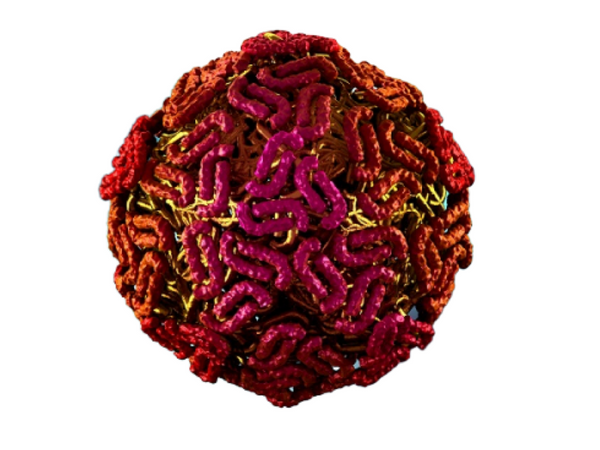
     Pathogen test  The RT-qPCR test detects the genome (RNA) of West Nile Virus (WNV). Sample 5 mL - blood - K3 EDTA tube 5mL - liquor (CSF) - sterile tube Turnaround time 2 to 5 working days   What is West Nile Virus? West Nile virus (WNV) is a zoonotic mosquito-transmitted viral disease that cause can cause encephalitis or meningitis, infection of the brain and the spinal cord or their protective covering. Most horses bitten by carrier mosquitoes do not develop disease. Of those that do, approximately one-third develop severe disease and die or are so affected that euthanasia is required. The time between the bite of an infected mosquito and when clinical signs appear, ranges from three to 14 days. Clinical signs In horses that do become clinically ill, the virus infects the central nervous system and causes symptoms of encephalitis.  Clinical signs of encephalitis in horses include loss of appetite and depression, in addition to any combination of the following signs: fever, weakness or paralysis of hind limbs, muscle fasciculations or muzzle twitching, impaired vision, ataxia (incoordination), head pressing, aimless wandering, convulsions, inability to swallow, circling, hyper-excitability, or coma. It is important to note that not all horses with clinical signs of encephalitis have West Nile encephalitis. Other diseases, including rabies, botulism, equine protozoal myeloencephalitis (EPM), and other mosquito-borne viral encephalitic diseases of horses caused by Eastern,Western, and Venezuelan encephalitis viruses, can cause a horse to have symptoms similar to WNV. Only laboratory tests can confirm the diagnosis of West Nile encephalitis. Transmission WNV is spread by the bite of an infected mosquito. Mosquitoes become infected when they feed on infected birds. Horses cannot spread the disease to humans, but humans are susceptible to the disease if bitten by a carrier mosquito. There is no evidence that horses can transmit WNV to other horses, birds, or people. WNV may cross the placenta from mother to gestating foal. No transfusion related horse illnesses have been reported. However, human to human transmission via blood transfusions have been confirmed, so this method of transmission is possible in horses. Prevention There is no specific treatment for West Nile encephalitis in horses, supportive veterinary care is recommended. Currently, there are some vaccines available against West Nile Virus. It is imperative that horses are vaccinated according to the label on the vaccine. Horses vaccinated against Eastern, Western, and Venezuelan equine encephalitis are not protected against West Nile Virus. There are some easy steps you can take to prevent mosquitoes from affecting your horses: House horses indoors during peak periods of mosquito activity (dusk and dawn). Avoid turning on lights inside the stable during the evening and overnight (mosquitoes are attracted to lights). Place incandescent bulbs around the perimeter of the stable to attract mosquitoes away from the horses. Remove all birds, including chickens, that are in or close to the stable. Look around the property periodically for dead birds, such as crows. Any dead birds should be reported to the local health department. Use rubber gloves to handle dead birds or use an implement, such as a shovel. Eliminate areas of standing water on your property. Shallow standing water, used tires, manure storage pits, and drainage areas with stagnant water are ideal mosquito breeding places. Topical preparations containing mosquito repellents are available for horses. Read the product label before using and follow all instructions. Use fans on the horses while in the stable to help deter mosquitoes. Fog stable premises with a pesticide in the evening to reduce mosquitoes. Read directions carefully before using.

    €61.50

  • Complete culture test - Equigerminal

    Complete culture test

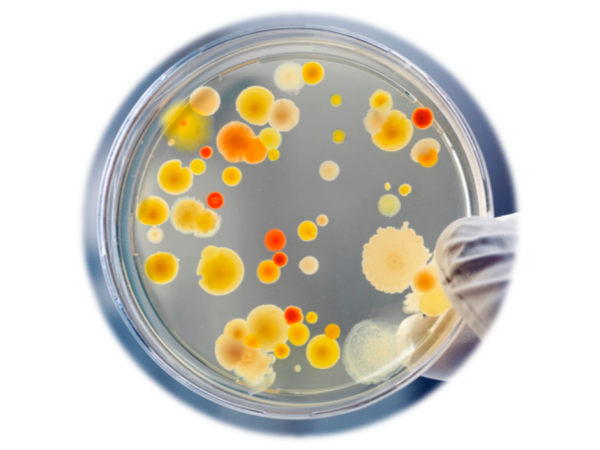
    Parameter Bacteriological and mycological culture Includes antibiogram (if applied) Sample Aspirates, fluids, solid tissues, swabs. Turnaround time 2-5 days

    €39.98

  • Stranglers - Streptococcus equi, bacterial culture - Equigerminal

    Strangles Bacterial Culture

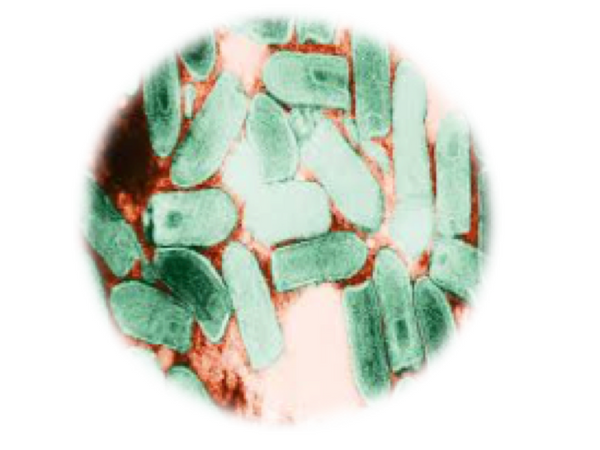
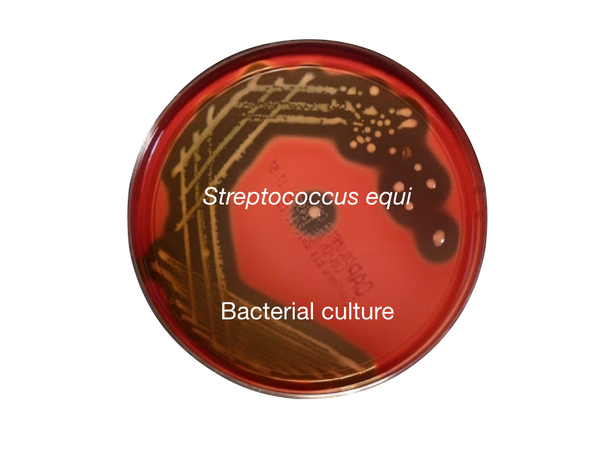
    Pathogen test  The bacterial culture will be reported positive if a beta-hemolytic Streptococcus species is grown and identified specifically as the Strep equi (formal name is Streptococcus equi subspecies equi). Sample Live Strep equi organisms must be recovered by a swab or wash of the nasopharynx, nasal passages, or draining abscesses. Turnaround time 2 to 5 working days   What is Stranglers? Strangles is a highly contagious upper respiratory infection of horses caused by the bacteria Streptococcus equi subspecies equi (S. equi). It is transmitted by inhalation or direct contact with contaminated surfaces (for example horses sharing water buckets). The bacteria colonize the horse’s tonsils and pharynx within hours of infection, and then infect the lymph nodes under and behind the jaw resulting in abscessation of these structures days later. Horses develop a fever initially, but are typically not contagious during the initial 48-72 hours. Rarely, infection spreads to other parts of the body resulting in abscesses in other organs such as the intestines, kidneys, lungs, spleen or liver. This is often called “bastard strangles” or metastatic abscessation. A few horses may develop a hypersensitivity reaction to the bacteria with repeated exposure either in the form of infection or vaccination otherwise known as purpura hemorrhagica. Horses that develop classic clinical signs and are not treated with antibiotics have the potential to develop immune protection up to five years. Clinical signs Classic clinical signs include a fever (often >103°F or 39.5°C) first, followed by one or more of the following symptoms: depression, thick nasal discharge and lymph node enlargement under the jaw and/or in the throat latch region. The abscessed lymph nodes may drain externally or into the guttural pouches (blind-end sacs connected to the throat in horses) resulting in nasal discharge. Horses that have been vaccinated for strangles or horses that have previous partial immunity may develop milder signs of upper respiratory tract infection. Bastard strangles cases may develop colic signs, fever, and/or weight loss with or without a history of previous strangles disease or exposure. Horses with purpura hemorrhagica may develop edema of the head, trunk, and/or legs; and broken blood vessels or bruising of the mucous membranes of the mouth, eyes and nose. Additional signs can include fever, severe depression, and muscle tightness. The severity of symptoms in purpura hemorrhagica cases ranges from mild to life-threatening. Transmission Strangles is caused by oral exposure of a horse to S. equi bacteria. Once within the oral cavity, the bacteria invade the tonsils and subsequently colonize the lymph nodes. Bacteria can be transmitted through contact with pus or nasal discharges from an infected horse, or from contaminated bedding or barn equipment (water troughs, buckets, etc.). Flies may also act as vectors, spreading the bacteria from horse to horse. Under the right conditions, S. equi can survive in the environment for weeks or months. Exposure of a horse to S. equi does not necessarily mean that it will come down with strangles. Factors that influence the risk of disease include dose of bacteria (poor sanitation and direct contact with nasal secretions and pus increase the chance of disease); immune status of horse. Previously exposed horses are often immune to the disease, or do not get as sick as unexposed horses. During the first three to six months of life, foals are often protected by maternal antibodies. Vaccination can also increase resistance to the disease; stress (poor nutrition, overcrowding, lengthy transportation or pre-existing diseases increase the risk of strangles). Strangles may be transmitted by “silent shedders” who do not display signs of disease. These horses commonly carry the strangles organism in the guttural pouch, an air sac at the back of the horse’s throat. Detection of these animals requires guttural pouch endoscopy (passing an endoscope via the horse’s nose into the guttual pouch). Strangles is most commonly transmitted by acutely ill or recovering horses that are still shedding bacteria in their nasal secretions. Bacterial culture results have a turnaround time of 2 to 3 days. The DNA test known as Polymerase Chain Reaction (PCR) takes less than a day. However, it may take an additional 1 to 2 days to send samples to the laboratory. Prevention Biosecurity on the farm is necessary to prevent spread of disease. Isolate new horses for three weeks prior to introducing them to the rest of the population. Isolate any horse with a fever and signs of strangles. Do not share tack or equipment between sick horses and others Perform twice daily monitoring of rectal temperatures of all horses in an outbreak to identify new cases. Stop all movement of horses to and from farm when strangles is identified. Disinfect water buckets daily. Use strict hygiene between horses to reduce spread of the disease. Ideally, three throat flush samples are obtained from recovering horses and any horses who were in contact with sick horses at approximately weekly intervals and tested for S. equi subsp equi by PCR and culture. Identification of strangles bacteria in clinically recovered horses may mean the guttural pouches have retained some infection. Endoscopy of the guttural pouches provides visualisation of any pus or dried debris (chondroids) that harbor the bacteria. A small number of horses will recover from strangles and continue to shed bacteria from the guttural pouch, causing recurrent farm outbreaks. Detection and treatment of these “silent carriers” (S. equi bacteria in guttural pouches) via endoscopy and PCR is essential for preventing disease recurrence on a farm. Discuss vaccination types and recommendations with your veterinarian. Vaccination does not provide 100% immunity against S. equi infection. Vaccination is not recommended during or within two years of a strangles outbreak due to the increased risk of purpura hemorrhagica.

    €30.75

  • Contagious Equine Metritis Organism - CEMO,  7d culture - Equigerminal

    Contagious Equine Metritis Organism - CEMO, 7d culture

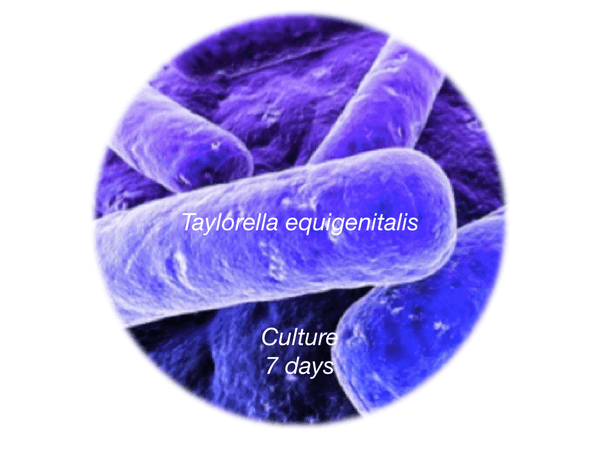
    Pathogen test The culture test detects the presence of Taylorella equigenitalis, the most comum bacteria responsible for the Contagious Equine Metritis. Sample 3 genital swabs - swab Amies transport with charcoal. Clitoral fossa – use standard swab with Amies culture and transport system Clitoral sinuses swabbed – use Minitip Amies culture and transport system. Openings to the sinuses are on the dorsum of the clitoris - the central one is usually always present whereas the lateral sinuses may be multiple or not be present. Swab all that are present. Either cervical (closed cervix if pregnant or mid-cycle) or endometrial (while in estrus or true anestrus) swab – use guarded 25” swab.   NOTE: Schedule all CEM culture submissions in advance with the laboratory. Multiple culture instances are often required and timing is critical. Official CEM testing generally involves multiple sets of samples taken on multiple days. Exact sampling schedules need to be confirmed with appropriate regulatory agencies in advance of testing. Horses cannot be tested while being treated and for a period of time after treatment with antibiotics. Turnaround time 7  working days   What is Contagious Equine Metritis? Contagious equine metritis is an inflammatory disease of the proximal and distal reproductive tract of the mare caused by Taylorella equigenitalis, which usually results in temporary infertility. It is a nonsystemic infection, the effects of which are restricted to the reproductive tract of the mare. Clinical signs When present, general clinical signs include endometritis, cervicitis and vaginitis of variable severity and a slight to copious mucopurulent vaginal discharge. In mares there are two states of infection: The active state in which the main outward sign is a vulval discharge, which may range from very mild to extremely profuse. The carrier state in which there are no outward signs of infection. However, the mare remains capable of transmitting infection because the bacteria are established on the surface of the clitoris, the clitoral fossa and sinuses and, in the case of pneumoniae and P. aeruginosa, sometimes in the urethra and bladder. In stallions: (‘stallion’ means mating stallions, teasers and stallions used for AI) Infected stallions do not usually show clinical signs of infection but the bacteria are present on their penis, sheath and. These stallions can infect mares during mating, teasing or AI. Occasionally, the bacteria may invade the stallion’s sex glands, causing pus and bacteria to contaminate the semen. Transmission Direct venereal contact during natural mating presents the highest risk for the transmission of equigenitalis from a contaminated stallion or an infected mare. Direct venereal transmission can also take place by artificial insemination using infective raw, chilled and possibly frozen semen. Indirectly, infection may be acquired through fomite transmission, manual contamination, inadequate observance of appropriate biosecurity measures at the time of breeding and at semen- collection centres. Stallions can become asymptomatic carriers of equigenitalis. The principal sites of colonisation by the bacterium are the urogenital membranes (urethral fossa, urethral sinus, terminal urethra and penile sheath). The sites of persistence of equigenitalis in the majority of carrier mares are the clitoral sinuses and fossa and infrequently the uterus. Foals born of carrier mares may also become carriers. The organism can infect equid species other than horses, e.g. donkeys. Prevention If infection with equigenitalis is suspected in any mare, stallion or teaser on the basis of clinical signs, all breeding activities must cease immediately. The affected horse(s) should be isolated and swabbed by the attending veterinary surgeon. Arrange swabbing of any at risk horse. Disinfect all equipment used for breeding procedures. Inform all owners of mares booked to the stallion, including any which have already left the premises; Inform people to whom semen from the stallion has been sent; Arrange for one straw from every ejaculate of stored semen from infected and at risk stallions to be tested by a laboratory. If a straw from any ejaculate is infected, all straws from that ejaculate should be destroyed; Any at risk pregnant mare must be foaled in isolation. The placenta must be incinerated. Foals born to these mares should be swabbed three times, at intervals of not less than seven days, before three months of age. Any mares with an abnormal vaginal exudate, or returning to oestrus prematurely, should be investigated and managed as though infected with equigenitalis until results of laboratory testing prove otherwise. If carriers of equigenitalis are detected, the organism can be eliminated by treatment with systemic and/or local antibiotics combined with antiseptic washing of the sites of persistence in the mare and the stallion.

    €92.25

  • Equine uterine culture - Equigerminal

    Equine uterine culture

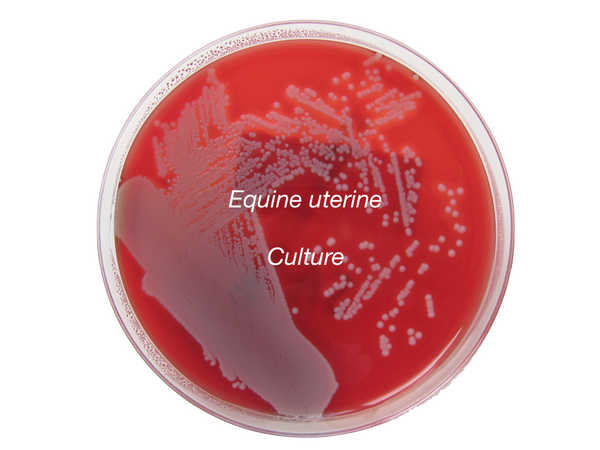
    Parameter Culture of the uterus  Sample Uterine swab in special culture transport system Turnaround time 1-15 day for bacterial growth Several days (>15) for yeast and other fungal growth 

    €39.43

  • Borrelia burgdorferi, IFAT - Equigerminal

    Borrelia burgdorferi, IFAT

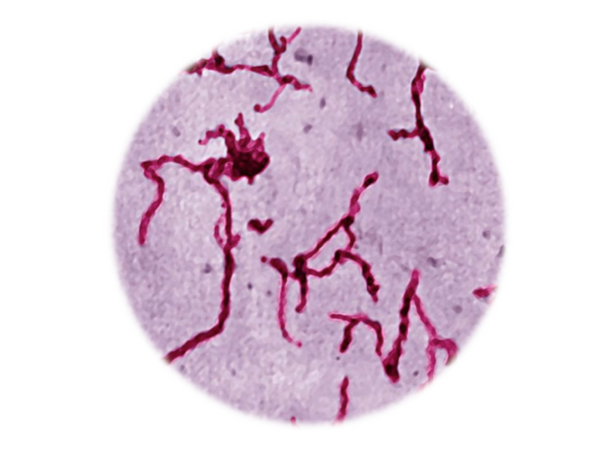
    Pathogen test  IFAT  for Borrelia burgdorferi, the pathogen responsible for the Lyme disease or Borreliose. IgG + IgM IgG titers of 1:64 are considered doubtful, IgG titers of 1:128 and higher are considered positive in the sense of an infection that has occurred. Recent infections appear with a positive IgM titer, but may be IgG negative. Sample 5 mL - blood - serum tube Turnaround time 2 to 5 working days   What is Lyme disease? Lyme disease is a tickborne illness that results from infection with members of the Borrelia burgdorferi sensu lato complex. These organisms are maintained in wild animals, but they can affect humans and some species of domesticated animals, like horses. Lyme disease has been reported in North America, Europe, Australia and parts of Asia. Clinical signs Clinical signs appear in less than 10% of horses infected with the bacteria. Signs include: Lameness (usually of larger joints) that shifts from limb to limb; Generalised stiffness; Soreness in the large joints and back; Low-grade fever (which may or may not be present); Behavioural changes such as reluctance to work and irritability; Laminitis (occasionally associated with Lyme disease) Horses do not show a skin rash with Lyme disease. Swelling around a tick bite in a horse is generally due to a reaction to the tick’s saliva, not Lyme disease. Transmission The ticks become infected when they feed on rodents such as the white-footed mouse that carry the bacteria. The tick can then pass on this infection when it feeds on another host, such as a horse or deer. The bacteria migrate from the tick to the horse after 12 to 24 hours of attachment. In areas where the incidence of disease is high among people, only about 50% of horses are likely to become infected. Of these horses, less than 1 in 10 develops clinical signs of the disease. The remaining horses either have subclinical infection (carry the antibodies against the bacteria but remain clinically healthy) or their immune systems fight off the bacteria (and these horses carry the antibodies to Lyme disease for up to a year). People can also be infected with Lyme disease, but there is no risk of the disease being transmitted from horses to humans. Prevention Since there is no vaccine available, prevention is focused on control of the tick population: Perform a daily tick examination. Remember that it takes 12 to 24 hours of attachment for bacteria to migrate from the tick to the host. Treat turned out horses with permethrin-based insect repellents during peak adult deer tick seasons: early spring, late summer, and fall. Minimize habitat for ticks and their hosts.  

    €55.17

  • Anaplasma phagocytophilum, IFAT - Equigerminal

    Anaplasma phagocytophilum/ Erlichiosis by IFAT

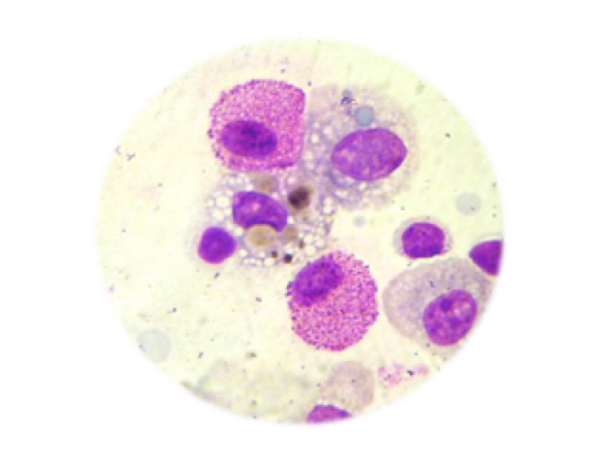
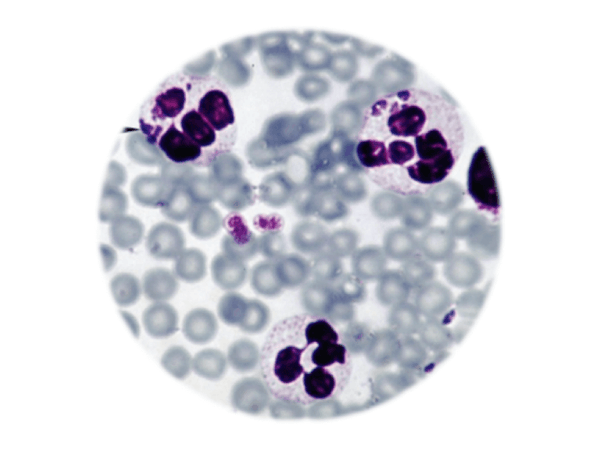
    Anaplasma phagocytophilum / Erlichiosis test by IFAT the bacterium (formerly known as Ehrlichia phagocytophila and Ehrlichia equi)  responsible for the Equine Anaplasmosis. Sample5 mL of blood in a serum tube Turnaround time2 to 5 working daysWhat is Equine Anaplasmosis?Anaplasmosis is a tick-borne disease caused by the bacterium Anaplasma phagocytophilum that infects white blood cells. The disease is transmitted by ticks. The risk of transmission to people is unclear at this time.Although horses and people appear to be infected with strains of the same bacteria, it is believed that people also acquire the infection from tick bites, and not directly from infected horses. Clinical signsThe severity of signs varies with the age of the animal and duration of the illness. Signs may be mild.Horses less than 1 year old may have a fever only; horses 1 to 3 years old develop fever, depression, mild limb swelling, and lack of coordination.Adults exhibit the characteristic signs of fever, poor appetite, depression, reluctance to move, limb swelling, and jaundice.Fever is highest during the first 1 to 3 days of infection, but may last for 6 to 12 days. Signs become more severe over several days.Any existing infection (such as a leg wound or respiratory infection) can be made worse. TransmissionThe disease is transmitted by ticks.Immature ticks pick up the bacterium from rodents who serve as reservoirs, maintain it as they mature, and then transmit it to the horse they feed off of as adults. It is unknown how long the tick has to be attached before transmission occurs.It takes approximately 2-3 weeks after disease transmission for the horse to develop clinical signs of Anaplasmosis, meaning that by the time signs are noticed the tick is long gone.Phagocytophilum organisms infect neutrophils and eosinophils in the blood. PreventionThe disease is easily treated in the early stages using appropriate antibiotics.The severity of the disease is variable; many horses recover after 14 days without treatment. However, rare fatalities have occurred that are believed to be associated with secondary infections.Horses with severe signs and neurologic signs may benefit from injectable corticosteroids.Recovered horses develop immunity for at least 2 years and are not carriers.Tick control measures are mandatory for control of the disease.There is no vaccine.

    €55.17

  • Leptospira, MAT - Equigerminal

    Leptospira MAT

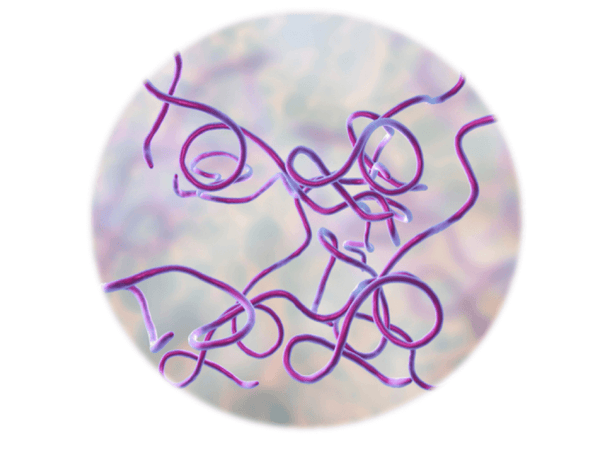
    Pathogen test The microscopic agglutination test (MAT) is the reference test method for the serodiagnosis of leptospirosis both in humans and in animals (World Health Organization (WHO), 2003; World Organisation for Animal Health (OIE, 2008). This test detects antibodies to specific serovars using live leptospiral antigens, and can be performed on serum from any species. Sample5 mL - blood - serum tube Turnaround time2 to 5 working days What is Leptospirosis?Leptospirosis is a bacterial infection that can result in abortion, chronic uveitis, and/or kidney failure in horses and can also infect humans, pets, and other livestock. Clinical signsSome horses with leptospirosis appear completely normal. Others might show generalised flulike signs.More serious cases present as mid- to late-term abortions, chronic uveitis (an eye disease that’s the leading cause of blindness in horses), or renal (kidney) disease.Foals from infected dams born alive might suffer from malnutrition, jaundice, pulmonary haemorrhage, or severe respiratory distress—all of which can be fatal. If you can start treatment immediately—before the infection damages eyes or organs—horses with leptospirosis generally have good prognoses. And, you can protect the rest of your herd (and yourself and other animals) by isolating infected horses, treating your other horses with preventive antibiotics or, depending on the species involved, vaccinating. TransmissionLeptospirosis is caused by spiral-shaped bacteria called spirochetes, specifically leptospires, that enter an animal’s body through mucous membranes in areas such as the nostrils, lips, eyes, trachea, stomach, genitals, or anus, or through broken skin. In addition to mammals (horses, humans, squirrels, voles, and scores more), amphibians (such as frogs) and reptiles (including snakes) can become infected with and pass on the disease-causing bacteria. In horses, foals can become infected in utero.Leptospires most commonly live and multiply in the renal tubules (where urine collects in the kidneys) of reservoir or carrier hosts such as rodents, wildlife, and domestic animals. In addition to spreading in urine, leptospires can be transmitted via infected blood or tissues or by infected urine splashing into eyes or the mouth.When an infected reservoir host urinates, the leptospires pass out of its body in the urine and contaminate the surrounding ground and/or water. In fact, exposure to standing water, such as ponds or floodwaters, is the biggest risk factor for leptospirosis infection. Occasionally, says Carter, animals (horses, livestock, etc.) inhale leptospires, ingest them with feed, or transmit them via wounds or bites. PreventionHumans who work with animals or have frequent exposure to them are at a higher risk of contracting leptospirosis.The leptospirosis is now classified as a re-emerging disease. Worldwide, the incidence is increasing, which may be due to increased episodes of flooding. According to the CDC, most human leptospirosis symptoms are flulike and include: high fever; headache; chills; muscle aches; vomiting; jaundice (yellow skin and eyes); red eyes; and abdominal pain.Treatment is fairly straightforward. The emphasis now is on rapid diagnostics so the disease can be diagnosed quickly and treatment started.Prevention is characterised differently for different risk groups. For occupational exposure (for example, veterinarians and animal caretakers that might be exposed to the disease), appropriate PPE (personal protective equipment, including protective gloves and glasses) is important. For recreational exposure, preventing contact of mucous membranes and broken skin with contaminated water is advised.

    €67.48

  • SARS-CoV-2 molecular testing for Dogs - Equigerminal

    Canine COVID19 Molecular

    Protect your pets from SARS-CoV-2 infection Dogs are susceptible to SARS-CoV-2 by reverse zoonosis. If you're infected with COVID-19, you can infect your pets. Our team confirmed in a seroepidemiologic survey* of cats and dogs in Portugal and found antibodies against SARS-CoV-2 in 15/69 (21.74%) cats and 7/148 (4.73%) dogs. By performing this test will allow you to know if your Dog is infected with SARS-CoV-2. This test detects viral RNA of SARS-CoV-2 by RTqPCR. Please note that viral RNA is detectable only in the first two weeks after infection.  Molecular test  Reference laboratory diagnostic tests for SARS-CoV-2 are carried out by means of genome amplification tests (RNA) in a polymerase chain reaction in real time, preceded by reverse transcription (rRT-PCR).   Sample type Exudate from the nasopharyngeal and oropharyngeal collected through a swab and/or rectal swabs.   Turnaround time Standard processing - Results in 2-5 working days after sample arrival at the laboratory. Clients organise and support the costs of sending the samples to the laboratory. PREMIUM processing - Results in 24 hours after sample arrival. Includes free express delivery** . The laboratory organises Express shipping with pick-up of the package at the client's address and delivery at the laboratory. ** PREMIUM SERVICES INCLUDE AN EXPRESS SHIPPING DELIVERY FOR EUROPEAN COUNTRIES FROM NON REMOTE REGIONS. Check here to know if you are in a remote European region. For remote regions EXTRA fees are applied.    Timeline of the SARS-CoV-2 infection in a Dog in a COVID19+ household.     From the diagnosis of COVID-19 in the dog owners (22 January 2021) to the first and second positive RT-qPCR test of the dog on 29 January 2021 and 4 February 2021, respectively, and the positive ELISA test on 14 February 2021, 16 days after the first positive RT-qPCR test. The green color means positive serological or molecular result and the red color means a negative serological or molecular result. The date corresponds to the day of the blood or swab sampling from the dog.   FAQs Why should we test dogs ? The test should be done in dogs who have had contact with confirmed cases of COVID-19. There are confirmed cases of infections of dogs by SARS-CoV-2 through transmission of the virus by humans. However, the viral load retrieved in dogs is considered low. For more info check the OIE website When dogs should take the test? In general, the test can be performed 5 to 14 days after contact with confirmed cases of COVID-19.   The test it is based on the detection of the SARS-CoV-2 genome (RNA) by real-time rRT-PCR techniques in exudates from the nasopharynx and oropharynx. In human the viral load is higher in the first days of infection and starts to decrease after 15 days after infection. What is the specificity and sensitivity of these tests? The real-time RT-PCR test used is 100% specific and does not cross-react with other human coronaviruses. For molecular diagnosis, we use two different SARS-CoV-2 proteins as targets.The sensitivity of the molecular test depends on the viral load present in the sample. The viral load is maximal 5-7 days after infection and from then on it starts to decrease, becoming diminished 15 days after infection. References *Barroso, R., Vieira-Pires, A., Antunes, A., & Fidalgo-Carvalho, I. (2022). Susceptibility of Pets to SARS-CoV-2 Infection: Lessons from a Seroepidemiologic Survey of Cats and Dogs in Portugal. Microorganisms, 10(2), 345. https://doi.org/10.3390/microorganisms10020345

    €65.00

  • SARS-CoV-2 antibody testing for Cats - Equigerminal

    Feline COVID19 Antibody

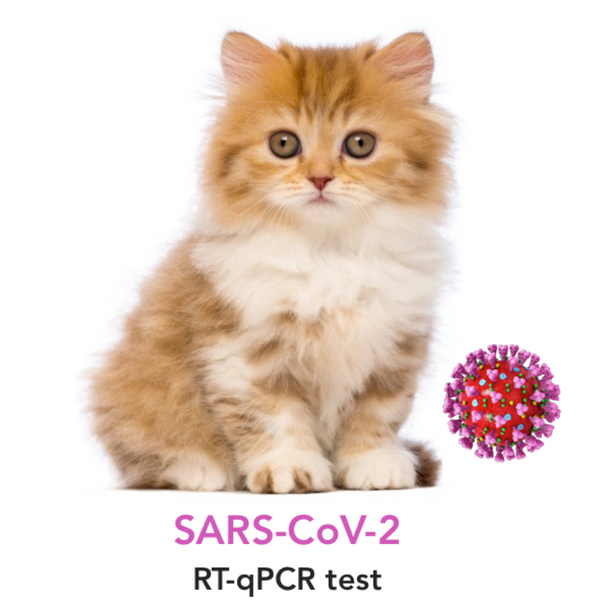
    Protect your pets from SARS-CoV-2 infection Cats are susceptible to SARS-CoV-2 by a reverse zoonosis. If you have COVID-19 you can infect your pets. Our team confirmed this finding in a seroepidemiologic survey* of cats and dogs in Portugal and found antibodies against SARS-CoV-2 in 15/69 (21.74%) cats and 7/148 (4.73%) dogs.  For more information check our peer reviewed publication at micro-organism (MDPI).  As in people, animals often have mild clinical signs, or are asymptomatic, but there are also reports of fatal cases.  Why testing By performing this test will allow you to know if your Cat has been infected with SARS-CoV-2. This test detects IgG antibodies against SARS-CoV-2 Nucleoprotein (NP)  and Spike (S) protein.  Please note, that IgG antibodies arise 2-3 weeks after infection and are maintained for some months.    Sample  2 mL blood in a dry tube or 1 mL of sera. Turnaround time  Standard processing - Results in 2-5 working days after sample arrival at the laboratory. Clients organise and support the costs of sending the samples to the laboratory. PREMIUM processing - Results in 5 hours after sample arrival. Includes free express delivery** . The laboratory organises Express shipping with pick-up of the package at the client's address and delivery at the laboratory. ** PREMIUM SERVICES INCLUDE AN EXPRESS SHIPPING DELIVERY FOR EUROPEAN COUNTRIES FROM NON REMOTE REGIONS. Check here to know if you are in a remote European region. For remote regions EXTRA fees are applied.    References *Barroso, R., Vieira-Pires, A., Antunes, A., & Fidalgo-Carvalho, I. (2022). Susceptibility of Pets to SARS-CoV-2 Infection: Lessons from a Seroepidemiologic Survey of Cats and Dogs in Portugal. Microorganisms, 10(2), 345.  https://doi.org/10.3390/microorganisms10020345  Main conclusions of the study:  - Cats that lived in COVID-19 positive households are at more risk to be infected with SARS-CoV-2  and some cats can become ill or may die.  - Cat to cat transmission of SARS-CoV-2 is also a possibility. Cat that lived in COVID-19 negative households but lived in free range and contact with other cats also tested positive.  - If you test COVID-19 positive please avoid direct contact with your cat, or ware a mask.  - Serological testing should be performed  2-3 weeks after contact with a COVID-19 positive case.   - One to 2 weeks after contact with a COVID-19 positive case a molecular RT-qPCR is recommended. Please check more info about molecular tests for cats here .  For more information please check the coverage article of our scientific publication written by an independent professional. If you would like to collaborate and participate in our study, please contact us at support@equigerminal.pt to find out if you qualify for the study and receive free testing for SARS-CoV-2.  

    €30.00

  • Mycological examination - Equigerminal

    Mycological examination

     Culture Mycological examination (direct and culture)  Sample fur  skin other  Turnaround time 15 to 30 days

    €20.00

  • SARS-CoV-2 antibody testing for Dogs - Equigerminal

    Canine COVID19 Antibody

    Protect your pets from SARS-CoV-2 infection Dogs are susceptible to SARS-CoV-2 by a reverse zoonosis. If you have COVID-19 you can infect your pets. Our team confirmed this finding in a seroepidemiologic survey* of cats and dogs in Portugal and found antibodies against SARS-CoV-2 in 15/69 (21.74%) cats and 7/148 (4.73%) dogs.  By performing this test will allow you to know if your Dog has been infected with SARS-CoV-2. This test detects IgG antibodies against SARS-CoV-2 Nucleoprotein (NP)  and Spike (S) protein.  Please note, that IgG antibodies arise 2-3 weeks after infection and are maintained for some months.  As in people, animals often have mild clinical signs, or are asymptomatic, but there are also reports of fatal cases.  Sample  2 mL blood in a dry tube or 1 mL of sera. Turnaround time  Standard processing - Results in 2-5 working days after sample arrival at the laboratory. Clients organise and support the costs of sending the samples to the laboratory. PREMIUM processing - Results in 5 hours after sample arrival. Includes free express delivery** . The laboratory organises Express shipping with pick-up of the package at the client's address and delivery at the laboratory. ** PREMIUM SERVICES INCLUDE AN EXPRESS SHIPPING DELIVERY FOR EUROPEAN COUNTRIES FROM NON REMOTE REGIONS. Check here to know if you are in a remote European region. For remote regions EXTRA fees are applied.    References *Barroso, R., Vieira-Pires, A., Antunes, A., & Fidalgo-Carvalho, I. (2022). Susceptibility of Pets to SARS-CoV-2 Infection: Lessons from a Seroepidemiologic Survey of Cats and Dogs in Portugal. Microorganisms, 10(2), 345. https://doi.org/10.3390/microorganisms10020345

    €30.00

Login

Forgot your password?

Don't have an account yet?
Create account