-
LFS Lavender Foal Syndrome
DNA test DNA test for the Lavender Foal Syndrome (LFS) â Pure and part-bred Arab horses. This test verifies the presence of the recessive LFS gene. Sample 30 to 40 - hair roots - envelope or 5 mL - blood - K3 EDTA tube Turnaround time 2 to 5  working days Why test? This genetic test determines LFS clear, carrier or affected status. Informed choices can be made for breeding selections, and prevent the born of affected foals. Results description The DNA test verifies the presence of the recessive LFS gene and presents results as one of the following:  N/ â Non-carrier of the LFS gene. Tested negative for the LFS gene. N/LFS - Heterozygous horse for LFS, both the normal and LFS alleles were detected. The horse is a carrier of LFS genetic disorder and there is a 50% chance this horse will pass a LFS allele to its offspring LFS/ â Homozygous horse for LFS, carrier of two copies of the LFS gene. The horse is affected with the LFS genetic disorder. Additional information Lavender Foal Syndrome (LFS) is a recessive genetic disorder. Affected foals born with the unique diluted coat color that can appear to be pale lavender, pale pink or silver. This foals-often have a difficult delivery, problems standing at birth and usually have episodes where they rigidly extend their limbs, neck and back. These episodes tend to resemble a seizure, although the affected foal does not seem normal between episodes. All affected foals are usually euthanised within days or weeks of birth. LFS is rare and is considered to be an autosomal recessive trait. âAutosomalâ means that there is no sex linkage, so both males and females can be equally affected. âRecessiveâ means that in order for a foal to be affected, it must have received two copies of the mutated gene, inheriting one copy from each parent. Horses that have one copy of the mutated gene, in combination with one copy of the normal gene, are physically normal but are considered carriers and have a 50% probability, each time they are bred, of passing the mutation along to their offspring. The SNP mutation that causes LFS has not been detected in other breeds. Testing for this mutation in horses with no Arabian blood lines is not recommended. However, in cases where pedigree is not known, testing could be a useful tool to prevent possible affected foals.
âŹ43.05
-
LWFS Lethal White Foal Syndrome
DNA test DNA test for the Overo gene that is associated with the Lethal White Foal Syndrome (LWFS). Sample 30 to 40 - hair roots - envelope or 5 mL - blood - K3 EDTA tube Turnaround time 2 to 5  working days Why test? The relationship between Lethal White Foal Syndrome (LWFS) and the frame overo coat pattern is not always straightforward. Usually carriers of LWFS are frame overo in pattern, and have 1 copy of the mutated allele (nL). But not all frame overo horses carry the mutated allele, some have the genotype (nn). And some horses with other coat patterns (including solid coloured paints and tobiano) have been found to carry the mutated allele. It should also be remembered that not all white foals have the genotype (LL) ,and may not be affected by LWFS. Results description The DNA test verifies the presence of the mutation associated to the Overo and presents results as one of the following:  N/ â Non-Overo or âsolidâ horse O/N â Frame Overo horse. Horse carries just a single copy of frame Overo. Since frame Overo is a dominant gene, the coat pattern should be present in all horses with a single copy of the mutated gene. O/ â A Lethal White Foal Syndrome (LWFS). Foal carries two copies, homozygous for frame Overo. Since no living frame Overo horse more than a week old will test as being homozygous, it applies only to horses in the Lethal White condition. Additional information Frame Overo is a highly desirable white pattern gene. All Frame Overo horses carry a single inherited copy of the Ile118Lys EDNRB mutation. This mutation causes pigment loss, producing white markings on certain areas of the horse. While the mutation produces visually desirable horses, it is also linked to a fatal condition known as Lethal White Foal Syndrome (LWFS), whereby a foal is born almost pure white in appearance, and dies within its first few days of life. Correct breeding can avoid this occurrence.  LWFS occurs when a horse inherits two copies of the mutated gene, one from both parents. Whereas horses with just one copy of the gene will live normally and exhibit the desirable pattern. A horse with two copies of the mutated gene will suffer intestinal abnormalities caused by undeveloped nerves of the foalâs digestive system. These animals die within the first 72 hours of being born and are typically euthanized sooner for humane reasons. Frame Overo horses which carry just a single copy of the gene, will pass one copy of it to their foals approximately 50% of the time when bred. Therefore, when breeding an Overo horse to a solid non-Overo horse, the foal can only inherit one copy. However, if two Overo horses are bred together they could potentially both pass the Overo gene to the foal, meaning it inherits two copies. Horses which inherit two copies of Frame Overo will suffer the Lethal White condition. Proper mating must be carried out to ensure that two frame Overo horses do not breed. This will prevent any risk of the foal inheriting two copies of the mutated gene.
âŹ43.05
-
Liver function
Metabolic profile - Liver function Metabolic profile with 5 parameters: AST Gama-GT Bilirubines (total, direct and indirect) Alkaline Phosphatase Albumin Sample 5 mL - blood - Serum tube Turnaround time 1 working day  Metabolic Profile Reference Intervals Parameter Low High Units AST 222,00 489,00 U/L Gama-GT 8,00 33,00 U/L Total Bilirubine 0,50 2,10 mg/dL Direct Bilirubine 0,10 0,55 mg/dL Indirect Bilirubine 0,30 2,00 mg/dL Alkaline Phosphatase 88 268 U/L Albumin 2,9 3,60 g/dL
âŹ11.00
-
Mycological examination
 Culture Mycological examination (direct and culture)  Sample fur skin other  Turnaround time 15 to 30 days
âŹ20.00
-
VE Vesicular Stomatitis RT-qPCR
Pathogen test The RT-qPCR test detects the genome (RNA) of Indiana and Jersey virus strains responsible for Vesicular Stomatitis. Sample 5 mL - blood - K3 EDTA tube Turnaround time 2 to 5 working days  What is Vesicular Stomatitis? Vesicular Stomatitis (VS) is a contagious disease that afflicts horses, livestock, wildlife and even humans. The disease is caused by a virus, which although rarely life threatening, can have significant financial impact on the horse industry. Vesicular Stomatitis is a reportable disease. Equestrian event organisers may also choose to cancel horse shows, and other equestrian activities in the surrounding area. Interstate and international movement of horses may also be restricted. Clinical signs When vesicular stomatitis occurs in horses, blister-like lesions usually develop on the tongue, mouth lining, nose or lips. In some cases, lesions can develop on the coronary bands, or on the udder or sheath. When VS is suspected, an exact diagnosis should be obtained by testing the blood for virus-specific antibodies or by testing swabs from the lesions to identify the presence of the virus. Testing is necessary to rule out the possibility that the lesions are caused by photosensitivity (sunburn), irritating feeds or weeds, or toxicity from non-steroidal anti-inflammatory medications like phenylbutazone. The disease generally runs its course within two weeks, although it may take as long as two months for the sores to entirely heal. Live virus can often be isolated from the lesions for up to a week after the lesions appear. During this time, the horse remains infective and the potential remains for the disease to spread to other animals. Transmission There are still some questions regarding how vesicular stomatitis is transmitted and why it only occurs sporadically in the U.S. The disease is distributed only in North, Central, and South America, with a greater incidence in warmer regions. Due to the seasonal occurrence of VS during summer through early fall, it is believed that insects such as biting flies and midges contribute to maintaining the lifecycle of the virus. Black flies, sand flies, and midges are known to transmit the virus, but there may be other insect vectors that have not yet been identified. VS also can be passed from horse to horse by contact with saliva or fluid from ruptured blisters. Physical contact between animals, or contact with buckets, equipment, housing, trailers, feed, bedding, shared water troughs or other items used by an infected horse can provide a ready means of spread. Prevention By observing the following guidelines you can help prevent the occurrence of VS: Healthy horses are more disease resistant so provide good nutrition, regular exercise, deworming and routine vaccinations. Isolate new horses for at least 21 days before introducing them into the herd or stable. Observe your horse closely. Immediately isolate any horse that shows signs of infection and contact your veterinarian. Implement an effective insect control program. Keep stabling areas clean and dry. Remove manure and eliminate potential breeding grounds (standing water, muddy areas) for insect vectors. Use individual rather than communal feeders, waterers, and equipment. Clean and disinfect feed bunks, waterers, horse trailers and other equipment regularly. Be sure that your farrier and other equine professionals who come into direct contact with your animals exercise due care so as not to spread the disease from one horse or facility to the next. On farms where VS has been confirmed, isolate any animals with lesions away from others and handle healthy animals first, ill animals last. Handlers should then shower, change clothing and disinfect equipment to prevent exposing others. Anyone handling infected horses should implement proper biosafety methods, including wearing latex gloves and washing hands after handling animals with lesions. If you are sponsoring an event during an outbreak, require a more recent health certificate on every horse entering the venue and consider having a veterinarian visually inspect all horses at check-in. Work with your event veterinarian to establish isolation and response procedures that can be implemented quickly if a suspect case is identified at the venue. Â
âŹ61.50
-
Salmonellosis qPCR
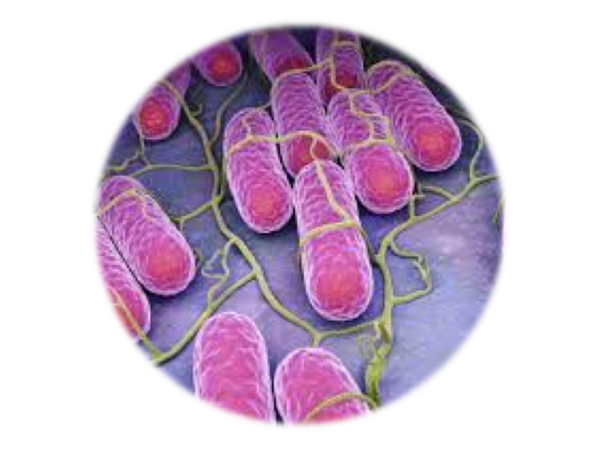
Pathogen test The PCR test detects the genome (DNA) of the Salmonella serovar abortus-equi, the bacteria responsible for Salmonellosis and abortion in equines. Sample 1 genital swabs - sterile swab    and/or 20 gr - placental or foetal tissues - sterile flask    and/or 5 mL - blood - K3 EDTA tube Turnaround time 2 to 5 working days  What is Salmonellosis? Contagious and zoonotic bacterial infection caused by Salmonella spp, of which there are >2500 serotypes. Clinical signs  Abortion with infection by Salmonella serovar abortus-equi.  Clinically normal horses can transiently shed Salmonella, with shedding more common during: Concurrent illness: antibacterial usage, physiological disturbance Stress: transportation, social, nutritional Gastrointestinal disturbance: motility (especially colic), feed change Diarrhoea (soft feces to projectile, watery diarrhoea) is most common, however, horses may have normal feces Fever (patient may have normal temperature, especially if treated with NSAIDs) Lethargy Anorexia Colic Localised infection (e.g. joint or bone infection) Sepsis/septic shock Laminitis as a common sequel to enterocolitis  Foals are commonly more seriously affected when compared to older horses, with profound systemic illness including: Hemorrhagic diarrhoea Pneumonia Meningitis Physitis Septic arthritis Transmission Fecal-oral spread Ingestion of contaminated material (pasture, roughage, feed or water) Fomites are a significant means of indirect transmission of infection Intermittent shedding by subclinically infected horses Aerosol transmission has been suspected in other species; evidence of this route in horses is lacking Prevention Measures Biosecurity Guidelines Quarantine horses that develop diarrhoea and/or fever. If a separate stall or paddock is not available, establish barrier precautions at their current location Isolate horses following significant colic episodes, impactions (notably small colon), or colic surgery to reduce environmental contamination and potential exposure of other horses should Salmonella subsequently be recovered on fecal culture Prevent horses that have come in contact with known infected or clinical cases from mixing with the general population Contaminated stall and equipment should have all organic material removed. Dispose of organic matter in a manner which prevents contamination of the facility (do not spread on pastures). Disinfection can be performed after all organic matter has been removed and the surfaces cleaned. Pressure washers or hoses should not be used as they can aerosolise Salmonella, potentially contaminating other parts of the facility or infecting a susceptible horse or human No commercially available validated vaccine is currently marketed. For animals with positive cultures while clinically ill: Before removing restrictions, following resolution of clinical signs, conduct a series of fecal cultures (see Diagnostic Sampling, Testing and Handling) to determine if all negative Where culture is not performed, isolation up to 30 days may be required to minimize risk of exposure of other horses from convalescent shedding of previously infected horses following the cessation of clinical signs (fever, diarrhoea). âą Isolate horse for 30 days from resident horses Obtain 5 consecutive negative fecal cultures prior to releasing horse into the general population Prior to entry into the general population the horse should be housed in an environment that can be thoroughly cleaned and disinfected If the horse is turned out in a paddock, manure should be promptly removed and appropriately disposed of in a manner that avoids potential contamination of other areas of the facility. Caretakers should wear personal protective equipment. After the horse is released, the paddock should be harrowed to encourage drying and kept unused for 30 days Â
âŹ55.35
-
Chlamydiosis, qPCR
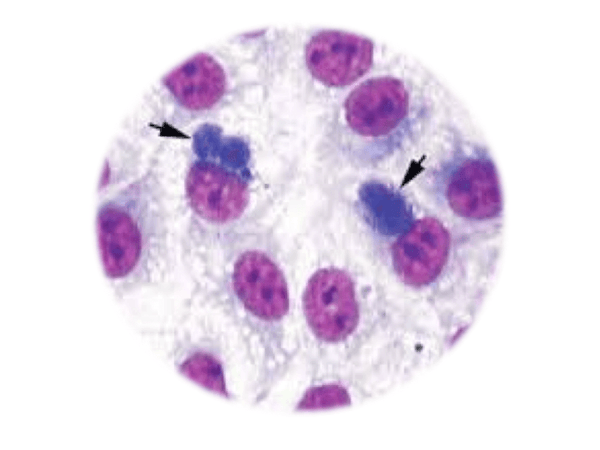
Pathogen test The PCR test detects the genome (DNA) of the Clamydia psittaci, the bacteria responsible for Chlamydiosis. Sample 1 genital swabs - sterile swab 20 gr - placental or foetal tissues - sterile flask 5 mL - blood - K3 EDTA tube Turnaround time 2 to 5 working days  What is Chlamydiosis? Chlamydia psittaci is a bacterium carried by birds. It can cause a respiratory disease in people called Psittacosis and has also been linked to abortion in mares.  Â
âŹ55.35
-
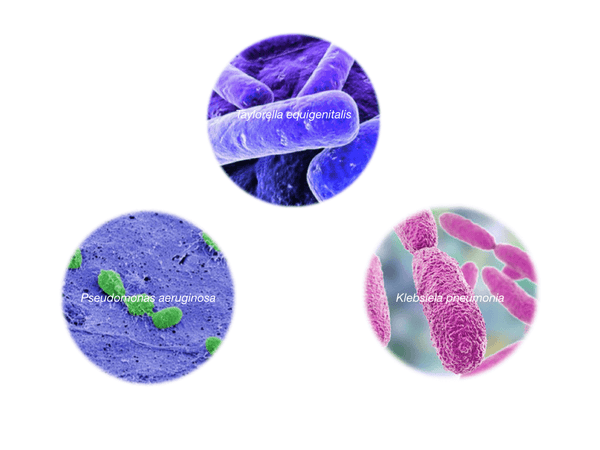
Contagious Equine Metritis (CEM), 14d Culture
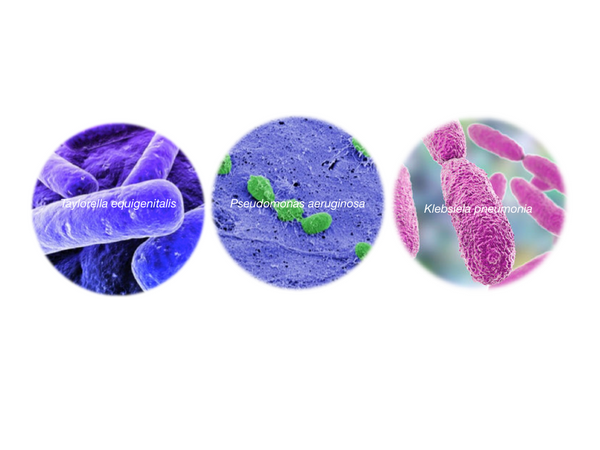
Screening of 3 pathogens responsible for Contagious Equine Metritis (CEM): Taylorella equigenitalis by culture over 14 days Pseudomonas aeruginosa by culture Klebsiela pneumonia by culture Sample requirements 2 or 3 genital swabs in Amies transport  medium with charcoal. Clitoral fossa â use standard swab with Amies culture and transport system Clitoral sinuses swabbed â use Minitip Amies culture and transport system. Openings to the sinuses are on the dorsum of the clitoris - the central one is usually always present whereas the lateral sinuses may be multiple or not be present. Swab all that are present. Either cervical (closed cervix if pregnant or mid-cycle) or endometrial (while in estrus or true anestrus) swab â use guarded 25â swab. NOTE: Schedule all CEM culture submissions in advance with the laboratory. Multiple culture instances are often required and timing is critical. Official CEM testing generally involves multiple sets of samples taken on multiple days. Exact sampling schedules need to be confirmed with appropriate regulatory agencies in advance of testing. Horses cannot be tested while being treated and for a period of time after treatment with antibiotics. Turnaround time 14 working days  What is Contagious Equine Metritis? Contagious equine metritis is an inflammatory disease of the proximal and distal reproductive tract of the mare caused by Taylorella equigenitalis, which usually results in temporary infertility. It is a nonsystemic infection, the effects of which are restricted to the reproductive tract of the mare. Clinical signs When present, general clinical signs include endometritis, cervicitis and vaginitis of variable severity and a slight to copious mucopurulent vaginal discharge. In mares there are two states of infection: The active state in which the main outward sign is a vulval discharge, which may range from very mild to extremely profuse. The carrier state in which there are no outward signs of infection. However, the mare remains capable of transmitting infection because the bacteria are established on the surface of the clitoris, the clitoral fossa and sinuses and, in the case of pneumoniae and P. aeruginosa, sometimes in the urethra and bladder. In stallions: (âstallionâ means mating stallions, teasers and stallions used for AI) Infected stallions do not usually show clinical signs of infection but the bacteria are present on their penis, sheath and. These stallions can infect mares during mating, teasing or AI. Occasionally, the bacteria may invade the stallionâs sex glands, causing pus and bacteria to contaminate the semen. Transmission Direct venereal contact during natural mating presents the highest risk for the transmission of equigenitalis from a contaminated stallion or an infected mare. Direct venereal transmission can also take place by artificial insemination using infective raw, chilled and possibly frozen semen. Indirectly, infection may be acquired through fomite transmission, manual contamination, inadequate observance of appropriate biosecurity measures at the time of breeding and at semen- collection centres. Stallions can become asymptomatic carriers of equigenitalis. The principal sites of colonisation by the bacterium are the urogenital membranes (urethral fossa, urethral sinus, terminal urethra and penile sheath). The sites of persistence of equigenitalis in the majority of carrier mares are the clitoral sinuses and fossa and infrequently the uterus. Foals born of carrier mares may also become carriers. The organism can infect equid species other than horses, e.g. donkeys. Prevention If infection with equigenitalis is suspected in any mare, stallion or teaser on the basis of clinical signs, all breeding activities must cease immediately. The affected horse(s) should be isolated and swabbed by the attending veterinary surgeon. Arrange swabbing of any at risk horse. Disinfect all equipment used for breeding procedures. Inform all owners of mares booked to the stallion, including any which have already left the premises; Inform people to whom semen from the stallion has been sent; Arrange for one straw from every ejaculate of stored semen from infected and at risk stallions to be tested by a laboratory. If a straw from any ejaculate is infected, all straws from that ejaculate should be destroyed; Any at risk pregnant mare must be foaled in isolation. The placenta must be incinerated. Foals born to these mares should be swabbed three times, at intervals of not less than seven days, before three months of age. Any mares with an abnormal vaginal exudate, or returning to oestrus prematurely, should be investigated and managed as though infected with equigenitalis until results of laboratory testing prove otherwise. If carriers of equigenitalis are detected, the organism can be eliminated by treatment with systemic and/or local antibiotics combined with antiseptic washing of the sites of persistence in the mare and the stallion.
âŹ100.00
-
Contagious Equine Metritis (CEM), 7d Culture
Screening of 3 pathogens responsible for Contagious Equine Metritis (CEM): Taylorella equigenitalis by Culture over 7 days Pseudomonas aeruginosa, Culture Klebsiela pneumonia, Culture  Sample 2 or 3 genital swabs in swab Amies transport medium with charcoal. Clitoral fossa â use standard swab with Amies culture and transport system Clitoral sinuses swabbed â use Minitip Amies culture and transport system. Openings to the sinuses are on the dorsum of the clitoris - the central one is usually always present whereas the lateral sinuses may be multiple or not be present. Swab all that are present. Either cervical (closed cervix if pregnant or mid-cycle) or endometrial (while in estrus or true anestrus) swab â use guarded 25â swab. NOTE: Schedule all CEM culture submissions in advance with the laboratory. Multiple culture instances are often required and timing is critical. Official CEM testing generally involves multiple sets of samples taken on multiple days. Exact sampling schedules need to be confirmed with appropriate regulatory agencies in advance of testing. Horses cannot be tested while being treated and for a period of time after treatment with antibiotics. Turnaround time 7 working days  What is Contagious Equine Metritis? Contagious equine metritis is an inflammatory disease of the proximal and distal reproductive tract of the mare caused by Taylorella equigenitalis, which usually results in temporary infertility. It is a nonsystemic infection, the effects of which are restricted to the reproductive tract of the mare. Clinical signs When present, general clinical signs include endometritis, cervicitis and vaginitis of variable severity and a slight to copious mucopurulent vaginal discharge. In mares there are two states of infection: The active state in which the main outward sign is a vulval discharge, which may range from very mild to extremely profuse. The carrier state in which there are no outward signs of infection. However, the mare remains capable of transmitting infection because the bacteria are established on the surface of the clitoris, the clitoral fossa and sinuses and, in the case of pneumoniae and P. aeruginosa, sometimes in the urethra and bladder. In stallions: (âstallionâ means mating stallions, teasers and stallions used for AI) Infected stallions do not usually show clinical signs of infection but the bacteria are present on their penis, sheath and. These stallions can infect mares during mating, teasing or AI. Occasionally, the bacteria may invade the stallionâs sex glands, causing pus and bacteria to contaminate the semen. Transmission Direct venereal contact during natural mating presents the highest risk for the transmission of equigenitalis from a contaminated stallion or an infected mare. Direct venereal transmission can also take place by artificial insemination using infective raw, chilled and possibly frozen semen. Indirectly, infection may be acquired through fomite transmission, manual contamination, inadequate observance of appropriate biosecurity measures at the time of breeding and at semen- collection centres. Stallions can become asymptomatic carriers of equigenitalis. The principal sites of colonisation by the bacterium are the urogenital membranes (urethral fossa, urethral sinus, terminal urethra and penile sheath). The sites of persistence of equigenitalis in the majority of carrier mares are the clitoral sinuses and fossa and infrequently the uterus. Foals born of carrier mares may also become carriers. The organism can infect equid species other than horses, e.g. donkeys. Prevention If infection with equigenitalis is suspected in any mare, stallion or teaser on the basis of clinical signs, all breeding activities must cease immediately. The affected horse(s) should be isolated and swabbed by the attending veterinary surgeon. Arrange swabbing of any at risk horse. Disinfect all equipment used for breeding procedures. Inform all owners of mares booked to the stallion, including any which have already left the premises; Inform people to whom semen from the stallion has been sent; Arrange for one straw from every ejaculate of stored semen from infected and at risk stallions to be tested by a laboratory. If a straw from any ejaculate is infected, all straws from that ejaculate should be destroyed; Any at risk pregnant mare must be foaled in isolation. The placenta must be incinerated. Foals born to these mares should be swabbed three times, at intervals of not less than seven days, before three months of age. Any mares with an abnormal vaginal exudate, or returning to oestrus prematurely, should be investigated and managed as though infected with equigenitalis until results of laboratory testing prove otherwise. If carriers of equigenitalis are detected, the organism can be eliminated by treatment with systemic and/or local antibiotics combined with antiseptic washing of the sites of persistence in the mare and the stallion.
âŹ90.00
-
Contagious Equine Metritis Organism (CEMO), 14d Culture
This culture test detects the presence Taylorella equigenitalis by culturing, the most common bacteria responsible for the Contagious Equine Metritis. Sample requirements 2 or 3 genital swabs - swab Amies transport with charcoal. Clitoral fossa â use standard swab with Amies culture and transport system Clitoral sinuses swabbed â use Minitip Amies culture and transport system. Openings to the sinuses are on the dorsum of the clitoris - the central one is usually always present whereas the lateral sinuses may be multiple or not be present. Swab all that are present. Either cervical (closed cervix if pregnant or mid-cycle) or endometrial (while in estrus or true anestrus) swab â use guarded 25â swab. NOTE: Schedule all CEM culture submissions in advance with the laboratory. Multiple culture instances are often required and timing is critical. Official CEM testing generally involves multiple sets of samples taken on multiple days. Exact sampling schedules need to be confirmed with appropriate regulatory agencies in advance of testing. Horses cannot be tested while being treated and for a period of time after treatment with antibiotics. Turnaround time 14 working days  What is Contagious Equine Metritis? Contagious equine metritis is an inflammatory disease of the proximal and distal reproductive tract of the mare caused by Taylorella equigenitalis, which usually results in temporary infertility. It is a nonsystemic infection, the effects of which are restricted to the reproductive tract of the mare. Clinical signs When present, general clinical signs include endometritis, cervicitis and vaginitis of variable severity and a slight to copious mucopurulent vaginal discharge. In mares there are two states of infection: The active state in which the main outward sign is a vulval discharge, which may range from very mild to extremely profuse. The carrier state in which there are no outward signs of infection. However, the mare remains capable of transmitting infection because the bacteria are established on the surface of the clitoris, the clitoral fossa and sinuses and, in the case of pneumoniae and P. aeruginosa, sometimes in the urethra and bladder. In stallions: (âstallionâ means mating stallions, teasers and stallions used for AI) Infected stallions do not usually show clinical signs of infection but the bacteria are present on their penis, sheath and. These stallions can infect mares during mating, teasing or AI. Occasionally, the bacteria may invade the stallionâs sex glands, causing pus and bacteria to contaminate the semen. Transmission Direct venereal contact during natural mating presents the highest risk for the transmission of equigenitalis from a contaminated stallion or an infected mare. Direct venereal transmission can also take place by artificial insemination using infective raw, chilled and possibly frozen semen. Indirectly, infection may be acquired through fomite transmission, manual contamination, inadequate observance of appropriate biosecurity measures at the time of breeding and at semen- collection centres. Stallions can become asymptomatic carriers of equigenitalis. The principal sites of colonisation by the bacterium are the urogenital membranes (urethral fossa, urethral sinus, terminal urethra and penile sheath). The sites of persistence of equigenitalis in the majority of carrier mares are the clitoral sinuses and fossa and infrequently the uterus. Foals born of carrier mares may also become carriers. The organism can infect equid species other than horses, e.g. donkeys. Prevention If infection with equigenitalis is suspected in any mare, stallion or teaser on the basis of clinical signs, all breeding activities must cease immediately. The affected horse(s) should be isolated and swabbed by the attending veterinary surgeon. Arrange swabbing of any at risk horse. Disinfect all equipment used for breeding procedures. Inform all owners of mares booked to the stallion, including any which have already left the premises; Inform people to whom semen from the stallion has been sent; Arrange for one straw from every ejaculate of stored semen from infected and at risk stallions to be tested by a laboratory. If a straw from any ejaculate is infected, all straws from that ejaculate should be destroyed; Any at risk pregnant mare must be foaled in isolation. The placenta must be incinerated. Foals born to these mares should be swabbed three times, at intervals of not less than seven days, before three months of age. Any mares with an abnormal vaginal exudate, or returning to oestrus prematurely, should be investigated and managed as though infected with equigenitalis until results of laboratory testing prove otherwise. If carriers of equigenitalis are detected, the organism can be eliminated by treatment with systemic and/or local antibiotics combined with antiseptic washing of the sites of persistence in the mare and the stallion.
âŹ98.40
-
Contagious Equine Metritis Organism - CEMO, 7d culture
Pathogen test The culture test detects the presence of Taylorella equigenitalis, the most comum bacteria responsible for the Contagious Equine Metritis. Sample 3 genital swabs - swab Amies transport with charcoal. Clitoral fossa â use standard swab with Amies culture and transport system Clitoral sinuses swabbed â use Minitip Amies culture and transport system. Openings to the sinuses are on the dorsum of the clitoris - the central one is usually always present whereas the lateral sinuses may be multiple or not be present. Swab all that are present. Either cervical (closed cervix if pregnant or mid-cycle) or endometrial (while in estrus or true anestrus) swab â use guarded 25â swab.  NOTE: Schedule all CEM culture submissions in advance with the laboratory. Multiple culture instances are often required and timing is critical. Official CEM testing generally involves multiple sets of samples taken on multiple days. Exact sampling schedules need to be confirmed with appropriate regulatory agencies in advance of testing. Horses cannot be tested while being treated and for a period of time after treatment with antibiotics. Turnaround time 7 working days  What is Contagious Equine Metritis? Contagious equine metritis is an inflammatory disease of the proximal and distal reproductive tract of the mare caused by Taylorella equigenitalis, which usually results in temporary infertility. It is a nonsystemic infection, the effects of which are restricted to the reproductive tract of the mare. Clinical signs When present, general clinical signs include endometritis, cervicitis and vaginitis of variable severity and a slight to copious mucopurulent vaginal discharge. In mares there are two states of infection: The active state in which the main outward sign is a vulval discharge, which may range from very mild to extremely profuse. The carrier state in which there are no outward signs of infection. However, the mare remains capable of transmitting infection because the bacteria are established on the surface of the clitoris, the clitoral fossa and sinuses and, in the case of pneumoniae and P. aeruginosa, sometimes in the urethra and bladder. In stallions: (âstallionâ means mating stallions, teasers and stallions used for AI) Infected stallions do not usually show clinical signs of infection but the bacteria are present on their penis, sheath and. These stallions can infect mares during mating, teasing or AI. Occasionally, the bacteria may invade the stallionâs sex glands, causing pus and bacteria to contaminate the semen. Transmission Direct venereal contact during natural mating presents the highest risk for the transmission of equigenitalis from a contaminated stallion or an infected mare. Direct venereal transmission can also take place by artificial insemination using infective raw, chilled and possibly frozen semen. Indirectly, infection may be acquired through fomite transmission, manual contamination, inadequate observance of appropriate biosecurity measures at the time of breeding and at semen- collection centres. Stallions can become asymptomatic carriers of equigenitalis. The principal sites of colonisation by the bacterium are the urogenital membranes (urethral fossa, urethral sinus, terminal urethra and penile sheath). The sites of persistence of equigenitalis in the majority of carrier mares are the clitoral sinuses and fossa and infrequently the uterus. Foals born of carrier mares may also become carriers. The organism can infect equid species other than horses, e.g. donkeys. Prevention If infection with equigenitalis is suspected in any mare, stallion or teaser on the basis of clinical signs, all breeding activities must cease immediately. The affected horse(s) should be isolated and swabbed by the attending veterinary surgeon. Arrange swabbing of any at risk horse. Disinfect all equipment used for breeding procedures. Inform all owners of mares booked to the stallion, including any which have already left the premises; Inform people to whom semen from the stallion has been sent; Arrange for one straw from every ejaculate of stored semen from infected and at risk stallions to be tested by a laboratory. If a straw from any ejaculate is infected, all straws from that ejaculate should be destroyed; Any at risk pregnant mare must be foaled in isolation. The placenta must be incinerated. Foals born to these mares should be swabbed three times, at intervals of not less than seven days, before three months of age. Any mares with an abnormal vaginal exudate, or returning to oestrus prematurely, should be investigated and managed as though infected with equigenitalis until results of laboratory testing prove otherwise. If carriers of equigenitalis are detected, the organism can be eliminated by treatment with systemic and/or local antibiotics combined with antiseptic washing of the sites of persistence in the mare and the stallion.
âŹ92.25
-
Contagious Equine Metritis Organism (CEMO), qPCR
Pathogen test This PCR test detects the genome (DNA) of Taylorella equigenitalis the most comum bacteria responsible for the Contagious Equine Metritis. Sample 3 genital swabs - swab Amies transport with charcoal. Clitoral fossa â use standard swab with Amies culture and transport system Clitoral sinuses swabbed â use Minitip Amies culture and transport system. Openings to the sinuses are on the dorsum of the clitoris - the central one is usually always present whereas the lateral sinuses may be multiple or not be present. Swab all that are present. Either cervical (closed cervix if pregnant or mid-cycle) or endometrial (while in estrus or true anestrus) swab â use guarded 25â swab. Turnaround time 2 to 5  working days  What is Contagious Equine Metritis? Contagious equine metritis is an inflammatory disease of the proximal and distal reproductive tract of the mare caused by Taylorella equigenitalis, which usually results in temporary infertility. It is a nonsystemic infection, the effects of which are restricted to the reproductive tract of the mare. Clinical signs When present, general clinical signs include endometritis, cervicitis and vaginitis of variable severity and a slight to copious mucopurulent vaginal discharge. In mares there are two states of infection: The active state in which the main outward sign is a vulval discharge, which may range from very mild to extremely profuse. The carrier state in which there are no outward signs of infection. However, the mare remains capable of transmitting infection because the bacteria are established on the surface of the clitoris, the clitoral fossa and sinuses and, in the case of pneumoniae and P. aeruginosa, sometimes in the urethra and bladder. In stallions: (âstallionâ means mating stallions, teasers and stallions used for AI) Infected stallions do not usually show clinical signs of infection but the bacteria are present on their penis, sheath and. These stallions can infect mares during mating, teasing or AI. Occasionally, the bacteria may invade the stallionâs sex glands, causing pus and bacteria to contaminate the semen. Transmission Direct venereal contact during natural mating presents the highest risk for the transmission of equigenitalis from a contaminated stallion or an infected mare. Direct venereal transmission can also take place by artificial insemination using infective raw, chilled and possibly frozen semen. Indirectly, infection may be acquired through fomite transmission, manual contamination, inadequate observance of appropriate biosecurity measures at the time of breeding and at semen- collection centres. Stallions can become asymptomatic carriers of equigenitalis. The principal sites of colonisation by the bacterium are the urogenital membranes (urethral fossa, urethral sinus, terminal urethra and penile sheath). The sites of persistence of equigenitalis in the majority of carrier mares are the clitoral sinuses and fossa and infrequently the uterus. Foals born of carrier mares may also become carriers. The organism can infect equid species other than horses, e.g. donkeys. Prevention If infection with equigenitalis is suspected in any mare, stallion or teaser on the basis of clinical signs, all breeding activities must cease immediately. The affected horse(s) should be isolated and swabbed by the attending veterinary surgeon. Arrange swabbing of any at risk horse. Disinfect all equipment used for breeding procedures. Inform all owners of mares booked to the stallion, including any which have already left the premises; Inform people to whom semen from the stallion has been sent; Arrange for one straw from every ejaculate of stored semen from infected and at risk stallions to be tested by a laboratory. If a straw from any ejaculate is infected, all straws from that ejaculate should be destroyed; Any at risk pregnant mare must be foaled in isolation. The placenta must be incinerated. Foals born to these mares should be swabbed three times, at intervals of not less than seven days, before three months of age. Any mares with an abnormal vaginal exudate, or returning to oestrus prematurely, should be investigated and managed as though infected with equigenitalis until results of laboratory testing prove otherwise. If carriers of equigenitalis are detected, the organism can be eliminated by treatment with systemic and/or local antibiotics combined with antiseptic washing of the sites of persistence in the mare and the stallion. Â
âŹ73.80