-
Surra qPCR
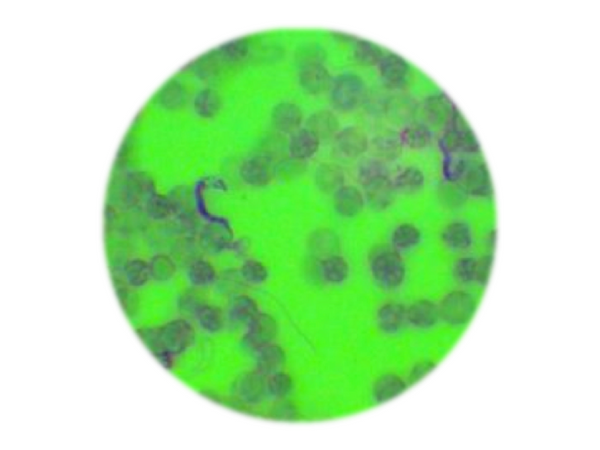
Pathogen test The PCR test detects the genome (DNA) of Trypanosoma evansis, the pathogen responsible for Surra. Sample 5 mL - blood - K3 EDTA tube Turnaround time 2 to 5 working days What is Surra? Trypanosoma evansi causes a trypanosomosis known as ‘surra’.This parasite, which has been reported in domestic and wild mammals, can cause considerable economic losses. The trypanosomes reproduce in the blood of the vertebrate host, and the trypomastigote forms are transmitted mechanically by bloodsucking insects from infected to uninfected animals. Surra is the most commonly reported disease in some continents due to the favorable environment for insects. In recent years, several outbreaks or isolated cases have been reported in certain European countries, an atypical region for the disease. Clinical signs The general clinical signs of evansi infections: pyrexia directly associated with parasitaemia together with a progressive anaemia, loss of condition and lassitude are not sufficiently pathognomonic for diagnosis. Recurrent episodes of fever and parasitaemia occur during the course of the disease. Oedema, particularly of the lower parts of the body, urticarial plaques and petechial haemorrhages of the serous membranes are sometimes observed in horses. Abortions have been reported in buffalos and camels. Nervous signs are common in horses. The disease causes immunodeficiencies that may be of high impact when interfering with other diseases or vaccination campaigns. Trypanosomiasis caused by evansi can be clinically confused with other diseases, including equine protozoal myeloencephalitis in the chronic stages. Where surra is suspected, it is important to rule out other causes of equine neurologic disease. Transmission Surra is a non-contagious disease, transmitted only mechanically by several different genera of haematophagous flies. The efficiency of vector transmission is dependent on high intensity of fly challenge, the presence of high numbers of the parasite in the blood of horses, and the close herding of animals that maintains short intervals between successive feeds. The infectivity of a fly is highest within minutes of feeding and drops quickly thereafter, with the loss of ability to reinfect when feeding intervals exceed 8 hours. Wild carnivores and dogs can be infected by ingestion of meat from parasitaemic animals. In Central and South America, The vampire bat can also act as a vector. The disease can be reproduced experimentally by blood inoculation. Prevention There is no vaccine against trypanosomiasis. Therefore, conventional disease control measures are based on the use of curative and preventive drugs to combat the parasite and interventions to control fly populations. Control and eradication of surra from an area is usually depends upon the detection and treatment of infected animals. Protection of susceptible animals from biting flies by smoking and using flies repellants.
€45.00
-
EHV1 & EHV4 ELISA
Pathogen test This ELISA test detects antibodies to Equine Herpesvirus Type 1 (EHV-1) and to Equine Hespesvirus type 4 (EHV-4), the 2 agents responsible for Rhinopneumonitis. ELISA test with ab tritation. Sample 5 mL - blood - serum tube Turnaround time 2 to 5 working days What is Rhinopneumonitis? Equine Rhinopneumonitis (ER) is a collective term for any one of several highly contagious, clinical disease entities of equids that may occur as a result of infection by either of two closely related herpesviruses, equid herpesvirus-1 and -4 (EHV-1 and EHV-4). Infection by either EHV-1 or EHV-4 is characterised by a primary respiratory tract disease of varying severity that is related to the age and immunological status of the infected animal. Infections by EHV-1 in particular are capable of progression beyond the respiratory mucosa to cause the more serious disease manifestations of abortion, perinatal foal death, or neurological dysfunction. Clinical signs The incubation period (period of time from exposure to development of first clinical signs) ranges from 2 to 10 days. Respiratory signs for EHV-1 and EHV-4 include high temperature that lasts for 1-7 days, coughing, depression, inappetence (going off feed), and nasal discharge. Abortion usually occurs between months 7 and 11 of gestation, about 2-12 weeks after infection. There is no evidence that the mare’s reproductive tract is damaged, and it does not affect her ability to conceive in later pregnancies. Signs of neurologic disease for EHV-1 and EHV-4 include mild incoordination, hindlimb paralysis, recumbency (lying down and being unable to get up), loss of bladder and tail function, and loss of sensation to the skin around the tail and hindlimb areas. Transmission Transmission occurs when infected and uninfected horses come in either direct (nose to nose contact) or indirect (through buckets, clothing, blankets that are contaminated) contact with nasal discharges of infected horses. The virus can travel via aerosol (in the air) for short distances. The virus may also be transmitted by contact with aborted foetuses, placental fluids, or placentas from infected horses. Also, following infection, horses may become latent carriers of EHV; virus may be reactivated after stress or high doses of corticosteroids. Upon detection of clinical signs suggestive of EHV, the veterinarian may choose to take a nasopharyngeal (nose and throat) swab of the horse, blood sample, or tissue from the aborted foetus for detection of virus in the tissues. Paired blood samples for detection of antibody trites (levels) may also be taken. Treatment involves supportive care and treatment of the symptoms. Non-steroidal anti-inflamatory drugs are commonly used to reduce fever, pain and inflammation. In uncomplicated cases, complete recovery will occur in a few weeks. Horses with neurological disease have variable recovery rates depending on severity of the clinical signs. The prognosis is poor if the horse is recumbent (unable to stand) for an extended period of time. The horse should be rested until fully recovered and gradually returned to work. Prevention Transmission occurs when infected and uninfected horses come in either direct (nose to nose contact) or indirect (through buckets, clothing, blankets that are contaminated) contact with nasal discharges of infected horses. The virus can travel via aerosol (in the air) for short distances. The virus may also be transmitted by contact with aborted foetuses, placental fluids, or placentas from infected horses. Also, following infection, horses may become latent carriers of EHV; virus may be reactivated after stress or high doses of corticosteroids. Upon detection of clinical signs suggestive of EHV, the veterinarian may choose to take a nasopharyngeal (nose and throat) swab of the horse, blood sample, or tissue from the aborted foetus for detection of virus in the tissues. Paired blood samples for detection of antibody triers (levels) may also be taken. Treatment involves supportive care and treatment of the symptoms. Non-steroidal anti-inflamatory drugs are commonly used to reduce fever, pain and inflammation. In uncomplicated cases, complete recovery will occur in a few weeks. Horses with neurological disease have variable recovery rates depending on severity of the clinical signs. The prognosis is poor if the horse is recumbent (unable to stand) for an extended period of time. The horse should be rested until fully recovered and gradually returned to work.
€47.03
-
Equine Herpesvirus Type 1, qPCR
Pathogen test The qPCR test detects the genome (DNA) of Equine Herpesvirus Type 1 (EHV-1). Sample 1 nasal or nasopharyngeal swab ( see AAEP guidelines) and 5 mL - K3 EDTA tube 5 mL - liquor (CSF) - sterile tube Turnaround time 2 to 5 working days 24-48h - please contact lab Our lab is approved by FEI for EHV-1 testing. What is Herpesvirus Type 1? Equine herpesvirus-1 (EHV-1) infection is ubiquitous in most horse populations throughout the world, and causes disease in horses and extensive economic losses through frequent outbreaks of respiratory disease, abortion, neonatal foal death, and myeloencephalopathy. Infections caused by EHV-1 are particularly common in young performance horses, and typically result in establishment of latent infection within the 1st weeks or months of life with subsequent viral reactivation causing clinical disease and viral shedding during periods of stress. Clinical signs Relevant effects of this virus on the equine population: Sporadic occurrence of mild respiratory disease associated with pyrexia, principally affecting horses under 2 years of age, can lead to interruptions in athletic training programs; this is economically the least important manifestation of EHV-1 disease. Abortion occurring during the 3rd trimester of pregnancy, results in important economic losses. Outbreaks of neurological disease (equine herpes myeloencephalopathy or EHM) cause suffering and loss of life and also lead to extensive movement restrictions, disrupting breeding or training schedules and causing management difficulties at training centers, race tracks, and horse events. Transmission The most common way for EHV-1 to spread is by direct horse-to-horse contact. This virus is shed from infected horses via the respiratory tract or through direct or indirect contact with an infected aborted foetus and fetal membranes. Horses may appear to be perfectly healthy yet spread the virus via the secretions from their nostrils. It is important to realize that EHV-1 can also be spread indirectly through contact with physical objects contaminated with infectious virus. The air around a horse that is shedding the virus can also be contaminated with infectious virus. Prevention Subdivide horses into the small epidemiologically isolated closed groups. Minimize risks of exogenous and endogenous (stress- induced viral reactivation) introduction of EHV-1. Maximize herd immunity through vaccination. Important measures in the case of an EHV-1 outbreak: Disinfection of areas contaminated by virus from the aborted foetus and placental membranes. Isolation of affected horses. Submission of clinical samples to a diagnostic laboratory. Implementation of hygienic procedures to prevent spread of infection (biosecurity).
€45.00
-
Equine Herpesvirus Type 2, qPCR
Pathogen test The qPCR test detects the genome (DNA) of Equine Herpesvirus Type 2 (EHV-2). Serological detection of EHV-2 is of limited use to determine the re-activation of this herpesvirus. EHV-2 can remain latent in affected animals while shedding at levels adequate to infect other horses. Molecular detection of EHV-2 by qPCR is the most sensitive, specific and accurate tool in assessing the infectivity of an affected horse. Sample 1 nasopharyngeal swab - dry swab 5 mL - K3 EDTA tube 5 mL - liquor (CSF) - sterile tube Turnaround time 2 to 5 working days What is Herpesvirus Type 2? Equine Herpesvirus Type1 2 (EHV-2) was recently classified within the Gammaherpesvirinae subfamily. EHV-2 is widely spread in horse populations and it has been isolated from healthy animals as well as from horses with different clinical signs. EHV-2 is able to establish persistent infections. Various observations indicate that EHV-2 should not be neglected as a pathogen in equids. There are convincing results indicating that EHV-2 has a role as a predisposing factor for Rhodococcus equi invasion in the respiratory tract. Also as been suggested that EHV-2 may play a role in transactivation and reactivation of latent EHV-1 and EHV-4 infections. Clinical signs EHV-2 infection occurs most frequently in young foals, and the most common symptoms are keratoconjunctivitis, respiratory disease with pneumonia and pharyngitis, fever, enlarged lymph nodes, inappetence/anorexia, general malaise, and poor performance. There is no evidence that EHV-2 has abortigenic potential. Transmission The prowess of EHV-2 as a successfully adapted viral parasite of the horse is substantiated by seroepidemiological and virological studies which indicate almost universal acquisition of viral infection by young foals. The limited data collected supports the scenario that EHV-2, in aerosolised infective material excreted from the respiratory tract of another virus-shedding horse, enters the new host through the upper respiratory tract where it infects and replicates first in the respiratory mucosal epithelium. Prenatal infection with EHV-2 has not been recorded, and the virus has not been detected in colostrum or milk. Experimental infection of a mid-gestational equine foetus in utero resulted in normal term delivery, although the foal showed mild rhinitis and conjunctivitis, with nasal shed- ding of EHV-2. Prevention On the basis of evidence suggesting that EHV-2 infection can play an etiological role in predisposing foals to subsequent R. equi pneumonia, both passive immunisation with hyperimmune equine serum against EHV-2 and active immunisation with an vaccine containing EHV-2 glycoprotein antigens have been used, with reported success, for the prophylactic treatment of annual reoccurrences of this highly fatal foal disease. Ocular disease in foals associated with infection by EHV-2 on breeding farms has been successfully treated with ophthalmic ointments containing either idoxuridine or trifluridine together with antibiotics and non-steroidal anti-inflammatory agents.
€45.00
-
Equine Coital Exanthema, qPCR
Pathogen test The qPCR test detects the genome (DNA) of Equine Herpesvirus Type 3 (EHV-3), the pathogen responsible for the Equine Coital Exanthema. Molecular detection of EHV-3 by PCR is the most sensitive, specific and accurate tool in assessing the infectivity of an affected horse Sample 5 mL - blood - K3 EDTA tube 1 genital swab - dry swab 20 gr - placental or foetal tissue - sterile flask Turnaround time 2 to 5 working days What is Equine Coital Exanthema? Equine Herpesvirus type 3 (EHV-3) causes coital exanthema, a contagious genital infection (vulva in mares, penis and scrotum in stallions), spread venereally and characterised by numerous small blisters or spots, sometimes called ‘the pox’. Clinical signs The clinical presentation of equine coital exanthema (ECE) is characterised by the presence of superficial lesions on the skin of the external genitalia of mares or stallions. The progress of each cutaneous lesion follows a well-defined and predictable course. Transmission Infection by EHV-3 occurs via direct cutaneous contact either during the act of coitus or by the transfer of virus-containing secretions from contaminated objects, such as hands, gloves, instruments, palpation sleeves, sponges and the lips or nose of a horse. The virus is easily transmitted by simple contact with the skin; the epidermal surface need not be damaged for infection to be established. Prevention There is no commercial vaccine against EHV-3. A stringent code of practice should be implemented within breeding sheds following observation of a case of ECE. The three priorities necessary for successful ECE control are: Cessation of breeding of clinically affected animals; Heightened vigilance on the part of personnel for early recognition of new clinical cases; Strict adherence to breeding shed hygiene procedures designed to eliminate mechanical transmission of the virus.
€45.00
-
Equine Influenza A ELISA
Pathogen test This ELISA test detects antibodies to Equine Influenza Virus Type A. Equine Influenza is a disease listed in the OIE Terrestrial Animal Health Code and countries are obligated to report the occurrence of the disease according to the OIE Code. Sample 5 mL - blood - serum tube Turnaround time 2 to 5 working days What is Equine Influenza? Equine Influenza (EI) is a highly contagious though rarely fatal respiratory disease of horses, donkeys and mules and other equidae. The disease has been recorded throughout history, and when horses were the main draft animals, outbreaks of EI crippled the economy. Nowadays outbreaks still have a severe impact on the horse industry. EI is caused by two subtypes of influenza A viruses: H7N7 and H3N8, of the family Orthomyxoviridae. They are related to but distinct from the viruses that cause human and avian influenza. Once introduced into an area with a susceptible population, the disease, with an incubation period of only one to three days, spreads quickly and is capable of causing explosive outbreaks. Crowding and transportation are factors that favour the spread of EI. Clinical signs In fully susceptible animals, clinical signs include fever and a harsh dry cough followed by a nasal discharge. Depression, loss of appetite, muscle pain and weakness are frequently observed. The clinical signs generally abate within a few days, but complications due to secondary infections are common. While most animals recover in two weeks, the cough may continue longer and it may take as much as six months for some horses to regain their full ability. If animals are not rested adequately, the clinical course is prolonged. Transmission Highly contagious, EI is spread by contact with infected animals, which in coughing excrete the virus. Animals can begin to excrete the virus as they develop a fever before showing clinical signs. It can also be spread by mechanical transmission of the virus on clothing, equipment, brushes etc carried by people working with horses. Prevention Vaccination is practiced in most countries. However, due to the variability of the strains of virus in circulation, and the difficulty in matching the vaccine strain to the strains of virus in circulation. Vaccination does not always prevent infection although it can reduce the severity of the disease and speed recovery times. Act immediately if you see flulike signs in your horse, especially if you have multiple animals housed together. Being proactive can help halt disease spread and save money and time. Call your veterinarian and have him or her take nasal swab samples first to determine what pathogen you are dealing with (several diseases can cause similar signs in infected horses) and treat accordingly. Immediately place the horse in question in a quarantine area and thoroughly clean and disinfect any areas or equipment he has been in contact with. Because horses with influenza do not show signs right away, quarantine other horses that have been housed close to the sick one, as they are most likely already infected. Flu’s incubation period, or time that a horse is infectious before showing signs of illness, is about three days. Management techniques can also help reduce disease spread, including designating one person to handle/treat the sick horse, treating the horse at the end of the day/shift (when the handler won’t be coming into contact with other horses), and setting up foot baths with disinfectant solution for handlers to dip their shoes in as they enter and exit the premises. Disinfecting equipment such as buckets and hoses as well as tack can also prevent disease spread. Regardless of your disinfection protocol, be sure to dedicate a separate water bucket and hose for the sick horse.
€20.33
-
Equine Influenza A RTqPCR
Pathogen test This RT-qPCR test detects the genome (RNA) of Equine Influenza Virus Type A. Equine Influenza is a disease listed in the OIE Terrestrial Animal Health Code and countries are obligated to report the occurrence of the disease according to the OIE Code. Sample 1 nasopharyngeal swab ( see AAEP guidelines) 5 mL - blood - K3 EDTA tube Turnaround time 2 to 5 working days What is Equine Influenza? Equine Influenza (EI) is a highly contagious though rarely fatal respiratory disease of horses, donkeys and mules and other equidae. The disease has been recorded throughout history, and when horses were the main draft animals, outbreaks of EI crippled the economy. Nowadays outbreaks still have a severe impact on the horse industry. EI is caused by two subtypes of influenza A viruses: H7N7 and H3N8, of the family Orthomyxoviridae. They are related to but distinct from the viruses that cause human and avian influenza. Once introduced into an area with a susceptible population, the disease, with an incubation period of only one to three days, spreads quickly and is capable of causing explosive outbreaks. Crowding and transportation are factors that favour the spread of EI. Clinical signs In fully susceptible animals, clinical signs include fever and a harsh dry cough followed by a nasal discharge. Depression, loss of appetite, muscle pain and weakness are frequently observed. The clinical signs generally abate within a few days, but complications due to secondary infections are common. While most animals recover in two weeks, the cough may continue longer and it may take as much as six months for some horses to regain their full ability. If animals are not rested adequately, the clinical course is prolonged. Transmission Highly contagious, EI is spread by contact with infected animals, which in coughing excrete the virus. Animals can begin to excrete the virus as they develop a fever before showing clinical signs. It can also be spread by mechanical transmission of the virus on clothing, equipment, brushes etc carried by people working with horses. Prevention Vaccination is practiced in most countries. However, due to the variability of the strains of virus in circulation, and the difficulty in matching the vaccine strain to the strains of virus in circulation. Vaccination does not always prevent infection although it can reduce the severity of the disease and speed recovery times. Act immediately if you see flulike signs in your horse, especially if you have multiple animals housed together. Being proactive can help halt disease spread and save money and time. Call your veterinarian and have him or her take nasal swab samples first to determine what pathogen you are dealing with (several diseases can cause similar signs in infected horses) and treat accordingly. Immediately place the horse in question in a quarantine area and thoroughly clean and disinfect any areas or equipment he has been in contact with. Because horses with influenza do not show signs right away, quarantine other horses that have been housed close to the sick one, as they are most likely already infected. Flu’s incubation period, or time that a horse is infectious before showing signs of illness, is about three days. Management techniques can also help reduce disease spread, including designating one person to handle/treat the sick horse, treating the horse at the end of the day/shift (when the handler won’t be coming into contact with other horses), and setting up foot baths with disinfectant solution for handlers to dip their shoes in as they enter and exit the premises. Disinfecting equipment such as buckets and hoses as well as tack can also prevent disease spread. Regardless of your disinfection protocol, be sure to dedicate a separate water bucket and hose for the sick horse.
€50.00
-
Rhodococcus equi qPCR
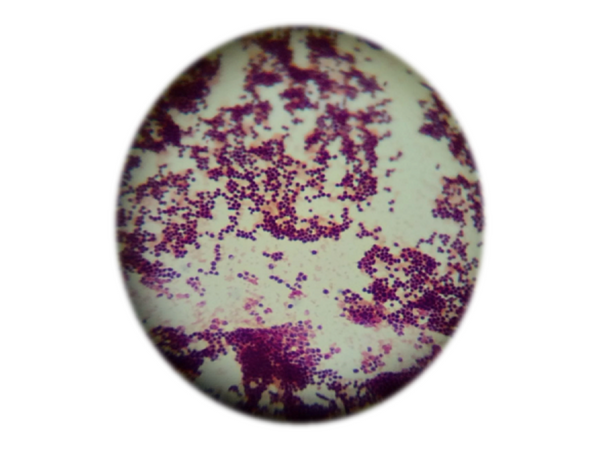
Pathogen test The PCR test detects the genome (DNA) of the Rhodococcus equi, the pathogen responsible for Pneumonia. Sample 1 nasopharyngeal swab - dry swab Turnaround time 2 to 5 working days What is Pneumonia? Rhodococcus equi, a Gram‐positive facultative intracellular pathogen, is one of the most common causes of pneumonia in foals. Rhodococcus equi is a very well recognized pathogen in horses – it is a common cause of pneumonia in foalsbetween the ages of 1-6 months, and infection is also sometimes associated with other problems such as diarrheas, swollen joints and abscesses in other parts of the body. The infection can be very difficult to treat because the bacteria are able to live inside white blood cells, which helps protect them from the body’s immune system, and because they often cause abscesses to form, which are difficult for antibiotics to penetrate. Rhodococcus equi infection in foals has been studied extensively, but there’s still a lot we don’t know how the body defends itself against this organism. Clinical signs The most common clinical manifestation of R. equi infections in foals is bronchopneumonia. Early clinical signs may only include a slight increase in respiratory rate and a mild fever. These subtle clinical signs are often either missed or ignored, allowing the condition to progress. As the disease progresses, clinical signs might include: • Decreased appetite • Lethargy • Fever • Tachypnea • Increased effort of breathing characterised by nostril flaring and increased abdominal effort Cough and bilateral nasal discharge are inconsistent finding. Because ultrasonographic screening for early detection has become routine practice at some farms endemic for pneumonia caused by R. equi (see below), the most frequently recognised form of R. equi infection at those farms is a subclinical form in which foals develop sonographic evidence of peripheral pulmonary consolidation or abscessation without necessarily manifesting clinical signs. Extrapulmonary manifestations of rhodococcal infections are common. Extrapulmonary disorders might occur concurrent with or independent of pneumonia. Abdominal lesions (see necropsy below) are present in approximately 50% of foals that die from infections caused by R. equi. However, the majority of foals with abdominal lesions do not show clinical signs of abdominal disease. Polysynovitis is present in approximately 25–30% of cases with clinical R. equi infections. In some foals, lameness might be the result of septic arthritis or, more commonly, osteomyelitis caused by R. equi. Uveitis is not uncommon and might result in blepharospasm, ocular discharge, and blindness in severely affected foals. Occasionally, R. equi can cause infections of a variety of other extrapulmonary tissues or organs. Although rare, clinical signs resulting from abdominal infection with R. equi might include fever, diarrhoea, weight loss or failure to thrive, and colic. Transmission Inhalation of virulent R. equi is the major route of pulmonary infection in foals. Ingestion of the organism is an important route of exposure, and likely of immunisation, but rarely leads to hematogenously acquired pneumonia unless a foal has multiple exposures to extremely large numbers of bacteria. Prevention In the absence of an effective vaccine, control and prevention of the disease at farms endemic for infections caused by R. equi have relied on passive immunisation and screening to promote earlier recognition of the disease. There are no isolation requirements for foals with this disease. Foals with pneumonia caused by R. equi shed higher numbers of R. equi in their feces than healthy foals or foals with subclinical lesions. Therefore, pneumonic foals might be an important source of contamination of the environment with virulent R. equi but there is no evidence that R. equi infection is contagious among foals and exposure to virulent R. equi is widespread in the environment of foals. Thus, currently no environmental management practice or biosecurity measure has sufficient evidence on which to base recommendations for controlling and preventing R. equi pneumonia. Zoonotic Potential R. equi can occasionally cause severe pulmonary or systemic infections in immunosuppressed people. Infections with R. equi are extremely rare and typically less severe in immunocompetent individuals.
€45.00
-
VEE Venezuelan Equine Encephalitis RT-qPCR
Pathogen test The RT-qPCR test detects the genome (RNA) of Venezuelan Equine Encephalitis (VEE) virus. Sample 5 mL - blood - K3 EDTA tube 5mL - liquor (CSF) - sterile tube Turnaround time 2 to 5 working days What is Venezuelan Equine Encephalitis? Venezuelan equine encephalitis virus is a mosquito borne viral pathogen that causes Venezuelan equine encephalitis or encephalomyelitis (VEE). VEE can affect all equine species, such as horses, donkeys and zebras. After infection, equines may suddenly die or show progressive central nervous system disorders. Humans also can contract this disease. Clinical signs WEE viruses affect the nervous system, so affected animals will have fever, depression and changes in behaviour. Signs of infection may also include impaired vision, muscle twitches, circling or head pressing behaviours, the inability to swallow, paralysis and convulsions. For VEE, death rates are variable but can be as high as 90%. Transmission The virus is transmitted to people and horses by bites from infected mosquitoes and birds during wet, summer months. Prevention Vaccines for EEE are available for horses. Measures to control mosquito populations and minimize mosquito exposure will decrease chances of infection.
€50.00
-
West Nile Virus, ELISA
Pathogen test The ELISA test detects antibodies to the West Nile Virus (WNV). Sample 5 mL - blood - serum tube Turnaround time 2 to 5 working days What is West Nile Virus? West Nile virus (WNV) is a zoonotic mosquito-transmitted viral disease that cause can cause encephalitis or meningitis, infection of the brain and the spinal cord or their protective covering. Most horses bitten by carrier mosquitoes do not develop disease. Of those that do, approximately one-third develop severe disease and die or are so affected that euthanasia is required. The time between the bite of an infected mosquito and when clinical signs appear, ranges from three to 14 days. Clinical signs In horses that do become clinically ill, the virus infects the central nervous system and causes symptoms of encephalitis. Clinical signs of encephalitis in horses include loss of appetite and depression, in addition to any combination of the following signs: fever, weakness or paralysis of hind limbs, muscle fasciculations or muzzle twitching, impaired vision, ataxia (incoordination), head pressing, aimless wandering, convulsions, inability to swallow, circling, hyper-excitability, or coma. It is important to note that not all horses with clinical signs of encephalitis have West Nile encephalitis. Other diseases, including rabies, botulism, equine protozoal myeloencephalitis (EPM), and other mosquito-borne viral encephalitic diseases of horses caused by Eastern,Western, and Venezuelan encephalitis viruses, can cause a horse to have symptoms similar to WNV. Only laboratory tests can confirm the diagnosis of West Nile encephalitis. Transmission WNV is spread by the bite of an infected mosquito. Mosquitoes become infected when they feed on infected birds. Horses cannot spread the disease to humans, but humans are susceptible to the disease if bitten by a carrier mosquito. There is no evidence that horses can transmit WNV to other horses, birds, or people. WNV may cross the placenta from mother to gestating foal. No transfusion related horse illnesses have been reported. However, human to human transmission via blood transfusions have been confirmed, so this method of transmission is possible in horses. Prevention There is no specific treatment for West Nile encephalitis in horses, supportive veterinary care is recommended. Currently, there are some vaccines available against West Nile Virus. It is imperative that horses are vaccinated according to the label on the vaccine. Horses vaccinated against Eastern, Western, and Venezuelan equine encephalitis are not protected against West Nile Virus. There are some easy steps you can take to prevent mosquitoes from affecting your horses: House horses indoors during peak periods of mosquito activity (dusk and dawn). Avoid turning on lights inside the stable during the evening and overnight (mosquitoes are attracted to lights). Place incandescent bulbs around the perimeter of the stable to attract mosquitoes away from the horses. Remove all birds, including chickens, that are in or close to the stable. Look around the property periodically for dead birds, such as crows. Any dead birds should be reported to the local health department. Use rubber gloves to handle dead birds or use an implement, such as a shovel. Eliminate areas of standing water on your property. Shallow standing water, used tires, manure storage pits, and drainage areas with stagnant water are ideal mosquito breeding places. Topical preparations containing mosquito repellents are available for horses. Read the product label before using and follow all instructions. Use fans on the horses while in the stable to help deter mosquitoes. Fog stable premises with a pesticide in the evening to reduce mosquitoes. Read directions carefully before using.
€32.52
-
Western Equine Encephalitis, RT-qPCR
Pathogen test The RT-qPCR test detects the genome (RNA) of Western Equine Encephalitis (WEE) virus. Sample 5 mL - blood - K3 EDTA tube 5mL - liquor (CSF) - sterile tube Turnaround time 2 to 5 working days What is Western Equine Encephalitis? Western equine encephalitis (WEE) is a viral disease carried by mosquitoes. WEE occurs in the western parts of the United States, including Iowa and Canada. WEE causes “sleeping sickness” in horses. Clinical signs WEE viruses affect the nervous system, so affected animals will have fever, depression and changes in behaviour. Signs of infection may also include impaired vision, muscle twitches, circling or head pressing behaviours, the inability to swallow, paralysis and convulsions. Survival rates of horses infected with WEE is 70-80%. Transmission The virus is transmitted to people and horses by bites from infected mosquitoes and birds during wet, summer months Prevention Vaccines for WEE are available for horses. Measures to control mosquito populations and minimize mosquito exposure will decrease chances of infection.
€50.00
-
Japanese Encephalitis Virus RTqPCR
Pathogen test The RT-qPCR test detects the genome (RNA) of Japanese Encephalitis virus (JEV). Sample 5 mL - blood - K3 EDTA tube 5mL - liquor (CSF) - sterile tube Turnaround time 2 to 5 working days What is Japanese Encephalitis Virus? Japanese encephalitis occurs throughout most of Asia, including India, China and Japan. In temperate areas, infection usually occurs in late summer and autumn, when mosquitoes are more active. Infection builds up in water birds and then spreads by mosquitoes to pigs during late spring and early summer and finally to humans and horses. Cases in humans and horses tend to be sporadic or occur in small clusters, but serious outbreaks could occur in a large, susceptible population exposed to infected mosquitoes. Infected horses are dead-end hosts as there is not enough of the virus in their blood to infect mosquitoes. Clinical signs These include: vary from a passing fever through to violent neurological signs and death mild cases: off feed, sluggish and reddened or jaundiced (yellow) mucous membranes (gums) more serious cases: lethargic with a fluctuating fever, difficulty swallowing, jaundice (yellow), pinpoint haemorrhages in mucous membranes (gums) nervous signs such as lack of coordination, staggering, falling, aimless wandering and unpredictable behaviour may occur in serious cases severe cases: blindness with profuse sweating and muscle trembling before collapsing and dying. Transmission Japanese encephalitis is caused by a virus related to West Nile virus and Murray Valley encephalitis virus. The virus cycles naturally between water birds (herons and egrets) and mosquitoes. Pigs can also be infected and spread disease causing abortions in pregnant sows and neurological signs in piglets. Humans and horses may suffer severe disease from the virus, but they do not spread the disease. Infections without recognisable signs occur in other livestock and animals. The disease has an incubation period of 8–10 days. Prevention Sanitary prophylaxis Housing animals in-doors in screened stabling can provide protection from mosquitoes o Especially during active JE outbreaks and during peak vector activity (usually dawn to dusk) o Insecticides, repellents and fans also provide protection. Vector control reduces transmission. Vaccine is available for horses . Vaccine protects horses from clinical disease and possible sequelae.
€50.00