-
Dun dilution
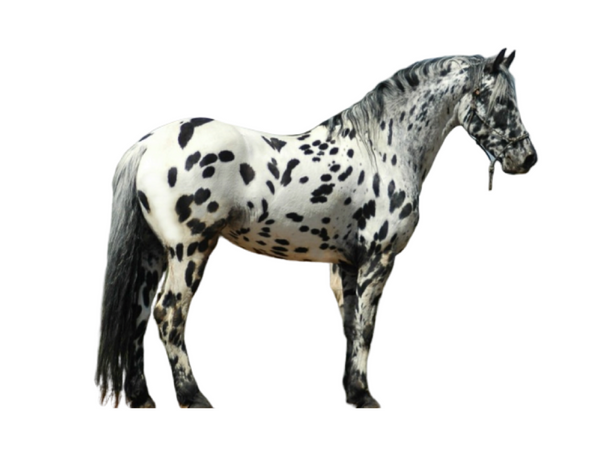
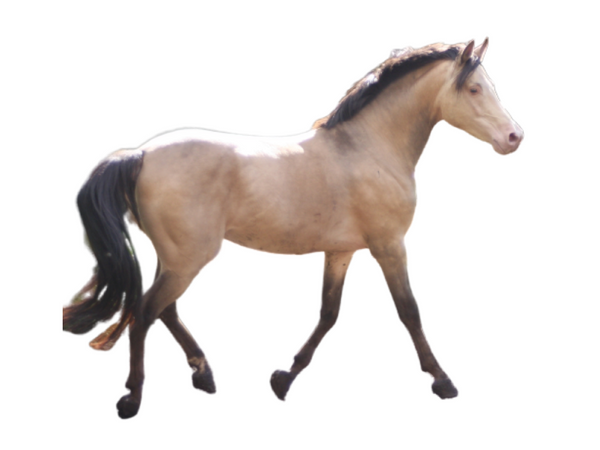
DNA test The DNA test verifies the presence of 2 mutations of the TBX3 gene responsible for Dun dilution and primitive markings. Sample 30 to 40 - hair roots - envelope or 5 mL - blood - K3 EDTA tube Turnaround time 2 to 5 working days Why test? The DNA test that will provide information for both dun dilution (D) and the primitive markings (nd1, nd2). Results description D/ - Homozygous for Dun. The basic coat colour will be diluted by Dun and primitive markings expressed. The Dun genetic variant will be passed on 100% of the offspring. D/nd1 - 1 copy of Dun and one copy of nd1. The basic coat colour will be diluted by Dun and primitive markings expressed. Horse can pass on Dun dilution (50%) or primitive markings without dilution (50%). D/nd2 - 1 copy of Dun and one copy of nd2. Horse will have Dun dilution and express primitive markings. The Dun genetic variant will be passed with a 50% chance to the offspring nd1/nd1 - Homozygous for nd1. The basic coat colour will not be diluted but primitive markings are expressed in varying levels. The primitive markings will be passed on 100% of the offspring. nd1/nd2 - 1 copy of nd1 and one copy of nd2. The basic coat colour will not be diluted but primitive markings are expressed in varying levels. The primitive markings will be passed on 50% of the offspring. nd2/nd2 - Negative for Dun Dilution and primitive markings. Additional information Dun is a dominant dilution gene of equines characterised by lightening of the body color, leaving the head, lower legs, mane and tail undiluted. Dun is also typically characterised by “primitive markings” consisting of a dark dorsal stripe and sometimes leg barring, shoulder stripes and concentric marks on the forehead. Dun is present in many breeds of horses including (but not limited to) Appaloosa, Bashkir Curly, Iberian horse breeds, Icelandic Horse, Mustang, Norwegian Fjord, Paint, Paso Fino, Peruvian Paso, Quarter Horse and several of the pony breeds
€43.05
-
SCID Severe Combined Immunodeficiency
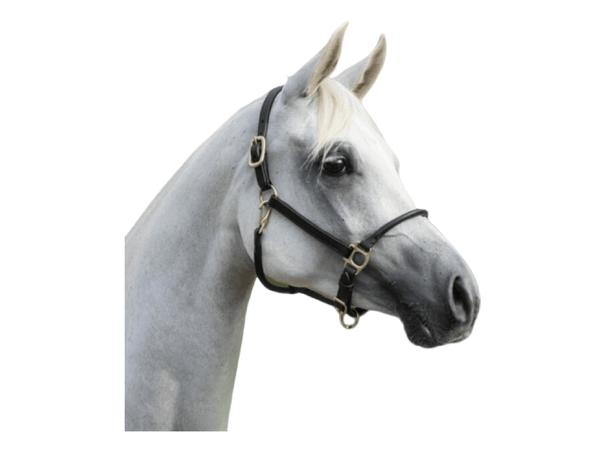
DNA test DNA test for the Severe Combined Immunodeficiency (SCID). SCID is an inherited disease seen in pure and part-bred Arab horses. Sample 30 to 40 - hair roots - envelope or 5 mL - blood - K3 EDTA tube Turnaround time 2 to 5 working days Why test? The DNA test for SCID helps breeders to identify the animals that are carriers of the SCID mutation. This information allows breeders to prevent two carriers from breeding, which reduce the chances of producing an SCID foal. Continued breeding of horses that are carriers of the SCID gene is now possible without the worry of producing SCID foals. For example, carrier stallions that possess highly desirable traits can now be selectively bred to clear (homozygous normal) mares (and vice versa). The resulting foals would have an equal chance of being a carrier or clear of SCID, but would definitely not be affected. The foals could be tested anytime after birth to determine their SCID genotype and future matings could be rationally planned. Results description The DNA test verifies the presence recessive SCID mutation and presents results as one of the following: nn – Non-carrier of the SCID gene.Tested negative for the SCID mutation. nSCID – Heterozygous horse for SCID gene, both the normal and SCID alleles were detected. The horse is a carrier of SCID genetic disorder and there is a 50% chance this horse will pass a SCID allele to its offspring SCID SCID – Carrier of two copies of the SCID gene. Homozygous horse for SCID mutation. The horse is affected with the SCID genetic disorder. Additional information Severe Combined Immunodeficiency Disease (SCID) is an inherited disease seen in pure and part-bred Arab horses. Animals with this inherited condition have an enhanced susceptibility to infection and first show signs of disease at between two days and eight weeks of age. Clinical diagnosis of the disease is not straightforward as the symptoms, such as raised temperature, respiratory complications and diarrhoea, are typical of new-born foals with a range of infections. Foals affected by SCID always die from the disorder within the first six months of life. This happens regardless of the level of veterinary care. SCID is therefore a distressing condition for the effected animal and the owners or caregivers, and results in financial loss due to dead foals and veterinary expenses. The disorder is recessive, which means that a horse must be homozygous positive or have two copies of the defective gene to suffer from the disease. Consequently both the sire and the dam must possess at least one copy of the mutated gene in order for the offspring to be afflicted. Offspring born with one copy of the defective gene and one non-defective copy are considered a carrier and have a 50% chance of passing the defective gene on. A number of studies have attempted to estimate the frequency of SCID carriers in the Arab horse population. Most sources speculate that the percentage of Arab foals which die of SCID is 2-3%. If breeding is random then it would imply that roughly 28-35% of Arab horses are carriers. However, most breeding is rather selective, making the true frequency of carriers in the population somewhat unclear.
€43.05
-
Congenital Myotonia - CM
DNA test for the Congenital Myotonia (CM). This test verifies the presence of the recessive cm gene. Sample 30 to 40 hair roots or 5 mL of blood in a K3 EDTA tube Turnaround time 2 to 5 working days Why test? This genetic test helps breeders to identify horses that carrying the cm recessive mutation. Informed choices can be made for breeding selections, and prevent the born of affected foals. Results description The DNA test verifies the presence of the recessive cm gene and presents results as one of the following: N/ - Normal for Congenital Myotonia (CM). Absence of the affected variant responsible for Congenital Myotonia N/cm - Carrier of Congenital Myotonia (CM). Presence of one copy of the genetic variant causative of Congenital Myotonia. The horse is clinical healthy and can pass the genetic variant responsible for CM to 50% of their progeny when bred. cm/ - Affected by CM. Presence of two copies of the genetic variant causative of Congenital Myotonia. The horse is affected with Congenital Myotonia and will pass genetic variant to 100% of its offspring. Additional information Congenital Myotonia is an inherited neuromuscular disorder characterised by the slow relaxation of muscles after voluntary contraction or electrical stimulation. This disorder has been identified in New Forest ponies and it is caused by an autosomal recessive mutation, which is responsible for the function of chloride ion channels in the skeletal muscle. Carriers of the mutation appear normal, but when two carriers are mated, a 25 percent chance exists that an affected foal will be produced. Affected foals appear normal at birth. The first symptoms are recurrent episodes of recumbency and difficulty rising to its feet as a result of muscle stiffness. They occur during the first weeks of age and usually increase in the following months. Picking up the limbs is not possible because of the muscle rigidity. The eye-bulb may be retracted due to the myotonia.
€43.05
-
DNA Disorder-Free Certified
Certified DNA Disorder-Free Lines Ensure your horse's lineage is free from genetic disorders with our comprehensive DNA testing panel. Certify your horse against 10 genetic disorders: SCID, LFS, CA, PSSM1, HYPP, GBED, HERDA, MH, CM, WFFS. Sample Collection Hair Roots: 30 to 40 hair roots. Blood Sample: 5 mL blood in a K3 EDTA tube. Turnaround Time Standard Processing: Results in 5 to 10 working days after sample arrival at the laboratory. Clients organize and cover the costs of sending the samples. Why Test? Our Certified DNA Disorder-Free Lines test helps breeders, purchasers, and studbook certifiers ensure that horses are free from genetic disorders. This guarantees healthier horses, informed breeding decisions, and enhanced peace of mind. Learn More Results Description The DNA test results will be one of the following: n/n: Negative. No affected allele present. n/P1: Positive heterozygous. One mutated allele present. The horse can pass the allele to 50% of its progeny. P1/P1: Positive homozygous. Two mutated alleles present. The horse will pass the allele to 100% of its offspring. Additional Information Polysaccharide Storage Myopathy (PSSM1) is a hereditary muscle disease that affects many breeds. The condition is caused by a mutation in the GYS1 gene, leading to an abnormal accumulation of glycogen in the muscles. This can cause symptoms such as muscle tremors, stiffness, reluctance to move, and excessive sweating. Management of PSSM1 includes dietary changes and regular exercise to help mitigate symptoms. Check our FAQs for more information FAQs Why is genetic testing important for horse breeders? Genetic testing is essential for breeders to make informed breeding decisions and to ensure that their horses do not carry alleles for genetic disorders. This helps in maintaining the health and performance of the breed. What breeds are affected by SCID and LFS? SCID and LFS are commonly found in Arabian horses and breeds influenced by Arabian bloodlines. Testing is crucial for breeding and purchasing decisions to ensure the health of the horses. How prevalent are genetic disorders in certain horse breeds? Genetic disorders can have significant frequencies in specific breeds. For example, HERDA is prevalent in Quarter Horses, while WFFS often affects Warmbloods. Regular testing helps in identifying carriers and making informed decisions. How do genetic disorders impact horse health? Genetic disorders such as SCID, LFS, PSSM1, HYPP, and others can significantly impact the health, performance, and longevity of horses. Early detection through genetic testing allows for better management and breeding practices to ensure healthier future generations. Visit our full FAQ page for more details. How it Works ✨ Purchase the Test: Select and buy the DNA test online. 📄 Receive Instructions: After payment confirmation, receive instructions for hair root collection and a printable submission form. ✂️ Collect Hair Roots: Pluck hair roots, tape them on the submission form, place it in an envelope or sealed plastic bag. 📬 Send Samples: Send to our lab by regular mail or express delivery to: Equigerminal LabRua Eduardo Correia, Nº133030-504 Coimbra, PORTUGAL 📧 Receive Results: Get the result certificate by email. If you need assistance, contact us at support@equigerminal.pt. ♻️ Note: No need for a sample collection kit, enhancing sustainability by reducing waste and plastic use.
€299.00
-
Projected Height test, LCORL/NCAPG
DNA test kit DNA test to predict the genetic potential for being a small, medium or tall height horse. Sample 30 to 40 hair roots - envelope or 5 mL of blood - K3 EDTA tube Turnaround time 5 to 8 working days Why test? Confidently predict the expected mature height at withers of a young foal. Identify horses that are 70% likely to be within the specific height range desired by the owner. Produce horses of a desired height more consistently. Results description The DNA test verifies the presence of the (C) allele associated to tall height horses, and presents the results as one of the following: C/C – Tall physical height. This genotype, with two copies of the (C) allele, is associated with large horses, (169+/-4 cm height at the withers). This genotype can be found in draught horses, Westphalians (31%), Oldenburgs (29%), Hanoverians (28%), Holsteiners (18%) and Pureblood Lusitanos (4%). T/C – Medium physical height. This genotype, with one copy of the (T) allele and another of the (C) allele, is associated with medium-sized horses (164+/-5 cm height at the withers). This genotype can be found in the Holsteiner (64%), Westphalian (60%), Hanoverian (56%) and Pureblood Lusitano (29%). T/T – Small physical height. This genotype, with two copies of the (T) allele, is associated with smaller horses (159 +/- 4 cm height at the withers) and ponies (<148 cm height at the withers). This genotype can be found in the majority of ponies, Arabs (100%) and Pureblood Lusitanos (67%). Additional information The development of the skeletal apparatus is regulated by the expression of the gene LCORL. Recent studies have identified a variation of a simple nucleotide base (Single Nucleotide Polymorphism) in the promoter of this gene. The replacement of a thymine (T) with a cytosine (C) varies the expression of the LCORL gene. This variation in the expression influences the horse’s dimension. Consequently, if the expression of the LCORL gene is diminished the resulting horse has a larger body dimension (bones are longer).
€62.73