112 products

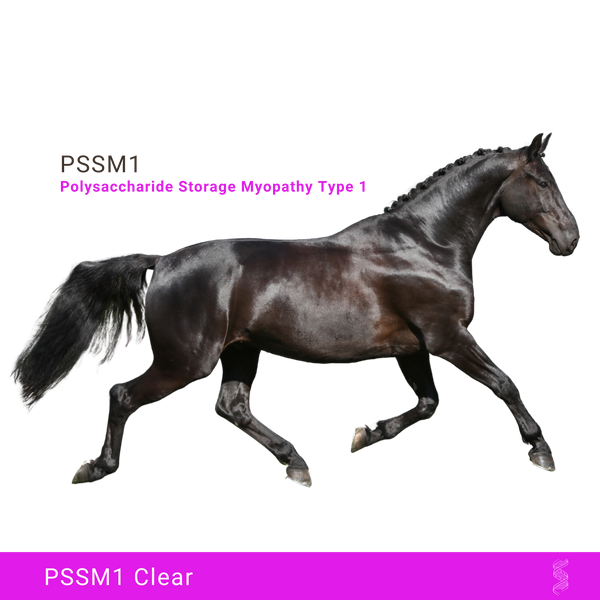
  • The image features a sleek, black horse in mid-stride against a black background, emphasizing its muscular build and graceful movement. The text "PSSM1" and "Polysaccharide Storage Myopathy Type 1" is displayed prominently in pink at the top left corner. At the bottom, a pink banner with the text "PSSM1 Clear" indicates a negative result for the PSSM1 genetic test.

    PSSM1 Polysaccharide Storage Myopathy Type 1

    1 review

      About the Test The PSSM1 DNA test verifies the presence of the affected allele at the GYS1 locus responsible for Polysaccharide Storage Myopathy Type 1 (PSSM1). Sample Collection Hair Roots: 20 to 30 hair roots. Pull the hair and tape it onto the printable sample submission form. Blood Sample: 5 mL blood in a K3 EDTA tube. Collect the blood and send the tube together with the printable sample submission form. Turnaround Time Standard Processing: Results in 5 working days after sample arrival at the laboratory. Clients organize and cover the costs of sending the samples. Why Test? This genetic test helps breeders identify horses carrying the PSSM allele. Informed breeding choices can prevent the birth of affected foals. While PSSM cannot be cured, muscle function can be managed with dietary changes and exercise routines. The PSSM1 test is required by many studbooks and is highly recommended when considering the purchase of a horse. Testing for PSSM1 as part of the pre-purchase examination can ensure that you are making an informed decision, as the condition can impact the horse's performance and overall health. Learn More Results Description The DNA test results will be one of the following: n/n: Negative for PSSM1. No affected allele present. n/P1: Positive heterozygous for PSSM1. One mutated allele present. The horse can pass the PSSM1 allele to 50% of its progeny. P1/P1: Positive homozygous for PSSM1. Two mutated alleles present. The horse will pass the PSSM1 allele to 100% of its offspring. Additional Information Polysaccharide Storage Myopathy (PSSM1) is a hereditary muscle disease that affects many breeds. The condition is caused by a mutation in the GYS1 gene, leading to an abnormal accumulation of glycogen in the muscles. This can cause symptoms such as muscle tremors, stiffness, reluctance to move, and excessive sweating. Management of PSSM1 includes dietary changes and regular exercise to help mitigate symptoms. Check our FAQs for more information FAQs What breeds are affected by PSSM1? PSSM1 affects many breeds, including Quarter Horses, Belgian Draft Horses, and Warmbloods. The prevalence of the mutation varies by breed, with some breeds having a higher incidence of the condition. How is PSSM1 inherited? PSSM1 is inherited in an autosomal dominant manner, meaning that horses with one (n/P1) or two (P1/P1) copies of the mutated gene can develop the disease. Horses with two copies generally show more severe symptoms. How can PSSM1 be managed? Management includes dietary modifications to reduce starch and sugar intake, and a consistent exercise regimen. These measures can help prevent the onset of symptoms or reduce their severity. Visit our full FAQ page for more details.

    €43.05

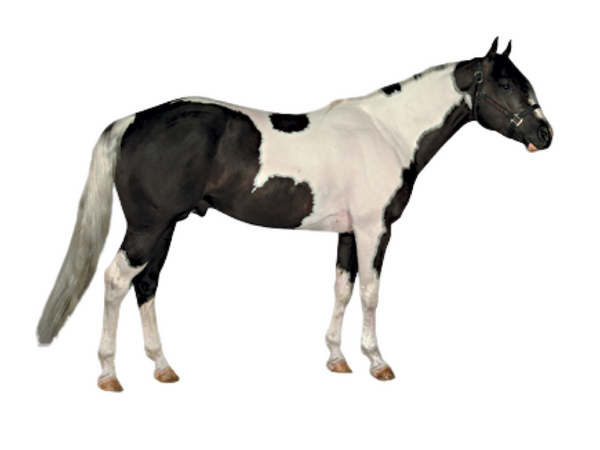
  • Tobiano - coat pattern - Equigerminal

    Tobiano coat pattern

    DNA test The DNA test verifies the presence of the chromosomal inversion.  The Tobiano coat pattern usually involves some white on all four legs and rounded white spots on the body with sharp, clean edges. Sample 30 to 40 - hair roots - envelope or 5 mL - blood - K3 EDTA tube Turnaround time 2 to 5  working days Why test? This genetic test can confirm is the horse is heterozygous (To/N) or homozygous (To/) for the Tobiano gene. For breeding purposes, homozygous Tobiano horses are highly desirable as they are guaranteed to produce Tobiano foals regardless of their mate. Since Tobiano is only responsible for the white markings of a so called “colored” horse, the test does not determine the horse’s base-color. This is determined using the extension test. The two tests in conjunction not only verify the likelihood of Tobiano being passed to foals, but also the likelihood the foals will be piebald or skewbald. Results description The DNA test verifies the presence of the chromosomal inversion and presents results as one of the following: N/ – Non-tobiano horse. To/N – Positive for the dominant Tobiano gene mutation, carrier of a single inherited copy of Tobiano. Horse’s base color may be modified to varying degrees by the Tobiano markings. To/ – Positive for dominant Tobiano gene mutation, carrying two inherited copies of Tobiano. Will always pass Tobiano to foals. For breeding purposes, homozygous Tobiano horses are highly desirable as they are guaranteed to produce Tobiano foals regardless of their mate. Additional information The Tobiano coat pattern usually involves some white on all four legs and rounded white spots on the body with sharp, clean edges. The head of the horse is usually colored and will not have white caused by the Tobiano gene. The white on the body will generally cross the top-line of the horse. Although white often incorrectly referred to as adding color it is actually a deletion of color. Tobiano is the result of a chromosomal inversion, affecting regulatory regions of the KIT gene. The Tobiano coat pattern is governed by the dominant KIT gene. Only one copy of Tobiano gene (To/N) is required to express Tobiano coat pattern. Homozygosity of the Tobiano gene (To/) may show visual clues (“ink spots” or “paw prints”) but only genetic testing will tell you more conclusively that the horse is homozygous for the Tobiano gene. When there is no presence of the Tobiano gene (N), the Tobiano coat pattern is not possible.  

    €43.05

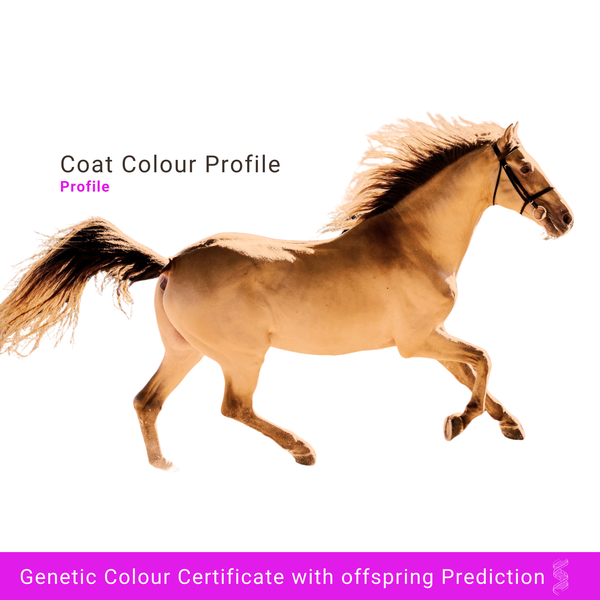
  • Coat colour profile

    Coat colour profile

    8 panel genetic test for coat colour with results in 5 to 10 working days.   Includes 8 coat colour genetic markers:  2 base colour - Agouti, Extension; 5 dilutions - Cream, Pearl, Champagne, Silver and Dun (D, nd1, nd2) and the Grey* (G/G, G/N or N/N) depigmentation gene. Our Grey test in panels provide the number of copies of the Grey gene (G/G, G/N, N/N) A Genetic Colour Certificate - Coat Genotype and Offspring Prediction of coat colour is provided Sample type: 30 to 40 hair roots  or 5 mL of blood  (K3 EDTA tube) Turnaround time 5 to 10 working days   Additional information DNA tests for coats can be an important tool for selection, elimination of coat-related diseases and enhancing your stud farm. There are various coat colours and tones in the horse species. Judging coat colour by eye is always subjective and can be influenced by a number of environmental factors (light exposure, time of year and feeding) and it doesn’t allow us to predict with any confidence that the “colour” will be passed down. Genetic determination of coat colour can be done correctly in a laboratory using DNA tests. This method allows us to determine with rigour and objectivity the horse´s coat colour and also forecast the potential transmission of “colour” to offspring. Currently more than 16 gene variants have been identified that can influence this phenotypic characteristic.  

    €184.50

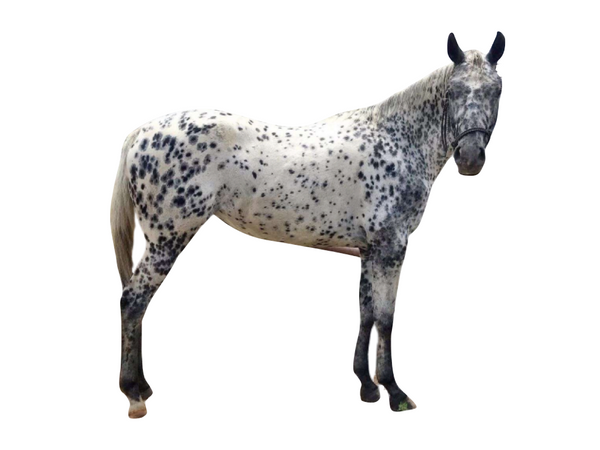
  • PATN1 - coat pattern spotting - Equigerminal

    PATN1 - coat pattern spotting

    DNA test The DNA test verifies the presence of the dominant (PATN1) mutation.  Sample 20 to 30 - hair roots - envelope or 5 mL - blood - K3 EDTA tube Turnaround time 2 to 5  working days Results description The DNA test verifies the presence of the dominant (PATN1) mutation and presents results as one of the following: N/ - Negative for PATN1.  Absence of the dominante PATN1 gene - non spotted horse. PATN1/N - Positive heterozygous for PATN1 (Dominant). Presence of one copy of the dominant PATN1 gene responsible spotted coat. The horse can pass the PATN1 variant to 50% of their progeny when bred. PATN1/ -  Positive homozygous for PATN1 (Dominant). Presence of two copies of the dominant PATN1 gene responsible for spotted coat.  The horse will pass the PATN1 gene to 100% of its offspring.   Additional information

    €43.05

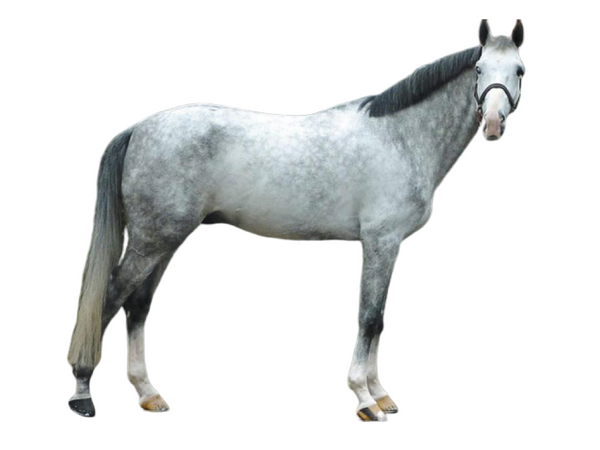
  • Grey depigmentation - Melanoma - Equigerminal

    Grey depigmentation

    DNA test The DNA test verifies the presence of the grey mutation. Grey is the dominant gene responsible for the gradual and progressive de-pigmentation (fading) of the carrying horse. Sample 5 mL - blood - K3 EDTA tube Turnaround time 2 to 5  working days Why test? This genetic test can help breeders that are interested in specifically breeding grey foals. Homozygous grey specimens are ideal as they will always transmit the grey gene when bred, thus guaranteeing eventual grey progeny. For the breeder that wants to  “breed-out” the grey modifier to gain non-fading foals may hope for heterozygous grey horses. Some breed-types have a large percentage of grey stock which through historical lineage may harbour colours and dilutions that are ‘hidden’ by the masking effect of the grey. Insight into a foal’s potential to fade: since grey may cause slow de-pigmentation, it may not be visually apparent whether or not a newborn foal will eventually fade to grey. The de-pigmentation process may take many years and therefore DNA testing is useful in the cases whereby a foal is born of one or more grey parents and verification of the presence of grey is necessary. Results description The DNA test verifies the presence of the grey mutation and presents results as one of the following: N/ – Non-grey horse. Negative for grey. Horse will not turn grey. G/N - Grey horse. Positive for dominant grey gene, carrying a single inherited copy. Carrier’s coat modified and will eventually become de-pigmented. Heterozygous grey horses are statistically likely to pass the gene to 50% off their progeny when bred. G/ - Grey horse. Positive for dominant grey gene, carrying two inherited copies. Carrier’s coat modified and will eventually become de-pigmented. Homozygous grey horses are genetically bound to pass the gene to 100% of their progeny when bred, so all foals will receive grey and fade-out. Additional information Grey is the dominant gene responsible for the gradual and progressive de-pigmentation (fading) of the carrying horse. Grey cannot be considered a base-color, or a dilution, but rather a gene which slowly removes pigment from the coat.  This gene is considered to be the ‘strongest’ of all coat modifiers, and acts upon any base-color regardless of the carrying horse’s phenotype. The fading process itself may last for years, but once hair is de-pigmented, the horse’s original colouring will never return. Since grey is a dominant gene, where it is present it is expressed. However, the final phenotype of the carrier will vary from horse to horse. Some grey horses fade to full de-pigmentation (almost pure white) whereas others may be ‘fleabitten’. Fleabitten refers to grey horses with tiny non-faded spots or ‘fleabites.’ The grey carrying horse may also experience de-pigmentation of the skin itself, and before skin is fully faded may display ‘mottling’. Equine melanomas occur most often in grey horses, and it is expected that at least 80% of grey horses will develop melanoma.

    €49.20

  • Strangles Antigen Test Stranglers - Streptococcus equi, qPCR - Equigerminal

    Strangles qPCR

    About the Test The qPCR test detects the genome (ADN) of Streptococcus equi variant equi, the pathogen (bacteria) responsible for Strangles. Sample Nasopharyngeal swab - dry swab (see AAEP guidelines) Nasal swabs or draining lymph nodes Guttural pouch washes Turnaround time 2 to 5 working days What is Strangles? Strangles is a highly contagious upper respiratory infection of horses caused by the bacteria Streptococcus equi subspecies equi (S. equi). It is transmitted by inhalation or direct contact with contaminated surfaces (for example, horses sharing water buckets). The bacteria colonize the horse’s tonsils and pharynx within hours of infection, and then infect the lymph nodes under and behind the jaw, resulting in abscessation of these structures days later. Horses develop a fever initially, but are typically not contagious during the initial 48-72 hours. Rarely, infection spreads to other parts of the body resulting in abscesses in other organs such as the intestines, kidneys, lungs, spleen, or liver. This is often called “bastard strangles” or metastatic abscessation. A few horses may develop a hypersensitivity reaction to the bacteria with repeated exposure either in the form of infection or vaccination, otherwise known as purpura hemorrhagica. Horses that develop classic clinical signs and are not treated with antibiotics have the potential to develop immune protection for up to five years. Clinical signs Classic clinical signs include a fever (often >103°F or 39.5°C) first, followed by one or more of the following symptoms: depression, thick nasal discharge, and lymph node enlargement under the jaw and/or in the throat latch region. The abscessed lymph nodes may drain externally or into the guttural pouches (blind-end sacs connected to the throat in horses) resulting in nasal discharge. Horses that have been vaccinated for strangles or horses that have previous partial immunity may develop milder signs of upper respiratory tract infection. Bastard strangles cases may develop colic signs, fever, and/or weight loss with or without a history of previous strangles disease or exposure. Horses with purpura hemorrhagica may develop edema of the head, trunk, and/or legs, and broken blood vessels or bruising of the mucous membranes of the mouth, eyes, and nose. Additional signs can include fever, severe depression, and muscle tightness. The severity of symptoms in purpura hemorrhagica cases ranges from mild to life-threatening. Transmission Strangles is caused by oral exposure of a horse to S. equi bacteria. Once within the oral cavity, the bacteria invade the tonsils and subsequently colonize the lymph nodes. Bacteria can be transmitted through contact with pus or nasal discharges from an infected horse, or from contaminated bedding or barn equipment (water troughs, buckets, etc.). Flies may also act as vectors, spreading the bacteria from horse to horse. Under the right conditions, S. equi can survive in the environment for weeks or months. Exposure of a horse to S. equi does not necessarily mean that it will come down with strangles. Factors that influence the risk of disease include dose of bacteria (poor sanitation and direct contact with nasal secretions and pus increase the chance of disease); immune status of horse. Previously exposed horses are often immune to the disease, or do not get as sick as unexposed horses. During the first three to six months of life, foals are often protected by maternal antibodies. Vaccination can also increase resistance to the disease; stress (poor nutrition, overcrowding, lengthy transportation, or pre-existing diseases increase the risk of strangles). Strangles may be transmitted by “silent shedders” who do not display signs of disease. These horses commonly carry the strangles organism in the guttural pouch, an air sac at the back of the horse’s throat. Detection of these animals requires guttural pouch endoscopy (passing an endoscope via the horse’s nose into the guttural pouch). Strangles is most commonly transmitted by acutely ill or recovering horses that are still shedding bacteria in their nasal secretions. Bacterial culture results have a turnaround time of 2 to 3 days. The DNA test known as Polymerase Chain Reaction (PCR) takes less than a day. However, it may take an additional 1 to 2 days to send samples to the laboratory. Prevention Biosecurity on the farm is necessary to prevent the spread of disease. Isolate new horses for three weeks prior to introducing them to the rest of the population. Isolate any horse with a fever and signs of strangles. Do not share tack or equipment between sick horses and others. Perform twice daily monitoring of rectal temperatures of all horses in an outbreak to identify new cases. Stop all movement of horses to and from the farm when strangles is identified. Disinfect water buckets daily. Use strict hygiene between horses to reduce the spread of the disease. Ideally, three throat flush samples are obtained from recovering horses and any horses who were in contact with sick horses at approximately weekly intervals and tested for S. equi subsp equi by PCR and culture. Identification of strangles bacteria in clinically recovered horses may mean the guttural pouches have retained some infection. Endoscopy of the guttural pouches provides visualization of any pus or dried debris (chondroids) that harbor the bacteria. A small number of horses will recover from strangles and continue to shed bacteria from the guttural pouch, causing recurrent farm outbreaks. Detection and treatment of these “silent carriers” (S. equi bacteria in guttural pouches) via endoscopy and PCR is essential for preventing disease recurrence on a farm. Discuss vaccination types and recommendations with your veterinarian. Vaccination does not provide 100% immunity against S. equi infection. Vaccination is not recommended during or within two years of a strangles outbreak due to the increased risk of purpura hemorrhagica. View More Info For more detailed information on the Strangles qPCR Test, including sample collection and submission instructions, please visit our website or contact our support team. Visit our website for more details. How It Works Pathogen Testing 🛒 Purchase the Test: Select and buy the test online. 📧 Receive Instructions: After payment confirmation, receive instructions for sample collection. ✨ Sample Collection: Your veterinarian collects the sample. 📄 Download Submission Form: Download the printable submission form here. 📮 Send Samples: Send to our lab by regular mail or express delivery to:Equigerminal LabIPN Incubadora, Rua Pedro Nunes, Ed.C3030-199 Coimbra, PORTUGAL 📄 Receive Results: Get the result certificate by email. If you need assistance, contact us at support@equigerminal.pt. FAQs View FAQs How does the Strangles qPCR test work? The qPCR test detects the DNA of Streptococcus equi variant equi in samples, providing a highly sensitive and specific method for identifying the presence of the bacteria. What types of samples are required for the test? The test can be performed on nasopharyngeal swabs, nasal swabs, draining lymph nodes, and guttural pouch washes. It's important to follow proper sample collection guidelines to ensure accurate results. How long does it take to get the test results? The turnaround time for the qPCR test is typically 2 to 5 working days from the receipt of the sample in the laboratory. What should be done if a horse tests positive for Strangles? Horses that test positive should be isolated to prevent the spread of the disease. Follow biosecurity measures and consult with a veterinarian for appropriate treatment and management. How effective are vaccinations in preventing Strangles? Vaccination can reduce the risk of Strangles but does not provide complete immunity. It's most effective in environments where Strangles is a persistent problem. Discuss vaccination options with your veterinarian. What are the signs of purpura hemorrhagica and how is it related to Strangles? Purpura hemorrhagica is an immune-mediated condition that can occur after exposure to S. equi antigens, either through infection or vaccination. Signs include edema, petechial hemorrhages, and sloughing of tissues. Immediate veterinary attention is required.  

    €55.35

  • Equine Infectious Anemia - Coggins test, AGID - Equigerminal

    Equine Infectious Anemia - Coggins test, AGID

    Pathogen test  This is one of the internationally imposed tests in the import/export of live equines or semen/ova and embryos intended for assisted reproduction. PTE029/7 AGID test (Coggins test) to detect antibodies against equine infectious anemia  Equine Infectious Anaemia is a disease listed in the OIE Terrestrial Animal Health Code and countries are obligated to report the occurrence of the disease according to the OIE Code. Sample 5 mL - blood - serum tube Turnaround time 2 to 5 working days   What is Equine Infectious Anemia? Equine infectious anemia is a very old viral disease that affects horses, asses, mules and hinnies worldwide. It is subject to tight controls in the import/export of live equines and their products Clinical signs This infection may have an acute, chronic or sub-clinical (silent) phase. The acute phase characterised by intermittent fever associated with depression, lethargy, increased heart and breathing rates, haemorrhaging, diarrhoea with blood, bleeding wounds that won’t heal, lack of coordination and rapid weight loss. It can also cause petechial haemorrhages of the mucous membranes and general oedema more evident in the legs and jaundice. The chronic phase characterised by recurrent episodes of fever, anaemia and thrombocytopenia (decrease of blood platelets) interspersed with periods of normality. These episodes will be spread out over time. This disease is often fatal during the acute or chronic phase. Should the animal survive the acute and chronic phase, it enters a silent phase with no evident signs of illness for the remainder of its life. In this silent phase the virus persists but the clinical signs are only manifest if the immune system is weakened by another disease, stress or the administration of corticosteroids. Transmission EIA is caused by a lentivirus of the HIV family, the equine infectious anaemia virus. The virus can be passed from one horse to another through fly, or more rarely, mosquito bites, or by direct contact with blood or blood derivative products (serum and/or plasma). Such as, for example, by: sharing objects contaminated with infected blood (needles, branding tools, etc). The virus can also be passed down from mare to foal via the placenta or, more rarely, in the mother’s colostrum or milk. Potentially, the virus can be transmitted by semen. Prevention There is no treatment, cure or vaccine for this infection. Prevention is crucial to avoid it being passed on. Serological tests for EIA must be done for any horse with anaemia and thrombocytopenia of unknown origin. Regular tests must be done on a yearly basis to keep the holding free from EIA. It is advisable to test studs and brood mares every 90 days in the breeding period.    

    €32.52

  • Equine Piroplasmosis cELISA Equine Piroplasmosis cELISA

    Equine Piroplasmosis cELISA

    Equine Piroplasmosis is a serious tick-borne disease caused by Babesia caballi and Theileria equi. As a national reference laboratory, Equigerminal is dedicated to providing the most accurate diagnostic services for Equine Piroplasmosis, a tick-borne disease caused by Babesia caballi and Theileria equi. At Equigerminal we follow ISO17025 standards. Our facility offers reliable cELISA tests to detect antibodies against these pathogens, ensuring your horses' health and compliance with international trade standards. PTE019/6 cELISA test to detect antibodies against Babesia caballi PTE020/6 cELISA test to detect antibodies against Theileria equi Test Details Pathogens Detected: Antibodies against Babesia caballi and Theileria equi. Sample Requirements: 5 mL of blood, serum, or plasma collected in a dry or EDTA tube. Turnaround Time: Standard Processing: Results within 2-5 working days after sample receipt. When to Choose the cELISA Test The cELISA test is ideal for detecting chronic or inapparent infections, routine screening, and ensuring compliance with international trade regulations. It detects antibodies (IgG) 21 days post-exposure. How It Works How It Works 🛒 Purchase the Test: Select and buy the test online. 📧 Receive Instructions: After payment confirmation, receive instructions for sample collection. ✨ Sample Collection: Your veterinarian collects the sample. 📄 Download Submission Form: Download the printable submission form here. 📮 Send Samples: Send to our lab by regular mail or express delivery to:Equigerminal LabRua Pedro Nunes, IPN Incubadora, Edifício C3030-199 Coimbra, PORTUGAL 📄 Receive Results: Get the result certificate by email. If you need assistance, contact us at support@equigerminal.pt. More Info View More Info For more detailed information on the cELISA test for Equine Piroplasmosis, including sample collection and submission instructions, please visit our website or contact our support team. Visit our detailed diagnosis page for more information. FAQs View FAQs How does the cELISA test work? The cELISA test detects antibodies to Babesia caballi and Theileria equi, providing high sensitivity and specificity for identifying chronic or inapparent infections. What types of samples are required for the test? 5 mL of blood, serum, or plasma collected in a dry or EDTA tube. How long does it take to get the test results? The turnaround time is 2-5 working days after the sample is received in the laboratory. What should be done if a horse tests positive for Piroplasmosis? Horses that test positive should be isolated to prevent the spread of the disease. Follow biosecurity measures and consult with a veterinarian for appropriate treatment and management. How can Piroplasmosis be prevented? Prevention involves testing and controlling tick exposure, using repellents, acaricides, and regular inspections, controlling and eradicating the tick vector, and quarantining EP-positive animals.  

    €74.00

  • WFFS/FFS & PSSM1 - DNA Test bundle

    WFFS/FFS & PSSM1 - DNA Test bundle

      DNA Test Bundle: PSSM1 & WFFS Discover Peace of Mind with Precision Equine Genetics. Our DNA test bundle offers a comprehensive genetic screening for Polysaccharide Storage Myopathy Type 1 (PSSM1) and Warmblood Fragile Foal Syndrome (WFFS), empowering you with essential information for the wellbeing of your equine companion. Tests Included PSSM1 Genetic Test: Uncover the presence of the specific allele at the GYS1 locus responsible for PSSM1, a condition affecting muscle metabolism in horses. Early detection can guide management and care. Learn more about the PSSM1 test here. WFFS Genetic Test: This test identifies the allele at the PLOD1 locus responsible for Warmblood Fragile Foal Syndrome (WFFS). Knowing your horse's genetic status aids in making informed breeding decisions. Further details on the WFFS test can be found here. Sample Collection 20-30 hair roots. Tape the hair to the printable sample submission form. Alternatively, 5 mL blood in an EDTA tube. Send the tube with the printable sample submission form. Turnaround Time Standard Processing: Results in 5 working days after sample arrival at the laboratory. Clients organize and cover the costs of sending the samples. Premium Processing: Results in 2 working days after sample arrival. This service includes free express delivery. For an additional fee of €35, the laboratory arranges express shipping with package pick-up from your address (available for non-remote regions). For premium processing, please contact the laboratory at support@equigerminal.pt for further assistance. Why Test? This genetic test helps breeders identify horses carrying the PSSM1 and WFFS alleles. Informed breeding choices can prevent the birth of affected foals. While PSSM1 affects muscle metabolism, WFFS is a fatal connective tissue disorder. Testing for these conditions is often required by studbooks and is highly recommended during pre-purchase exams to ensure the horse's health and performance. Learn More Results Description The DNA test results will be one of the following: PSSM1 n/n: Negative for PSSM1. No affected allele present. PSSM1 n/P1: Positive heterozygous for PSSM1. One mutated allele present. The horse can pass the PSSM1 allele to 50% of its progeny. PSSM1 P1/P1: Positive homozygous for PSSM1. Two mutated alleles present. The horse will pass the PSSM1 allele to 100% of its offspring. WFFS n/n: Negative for WFFS. No affected allele present. WFFS n/WFFS: Carrier for WFFS. One copy of the mutated allele present. The horse can pass the WFFS allele to 50% of its progeny. WFFS WFFS/WFFS: Positive for WFFS. Two copies of the mutated allele present. The foal will exhibit severe clinical signs and must be euthanized shortly after birth due to the untreatable nature of the disease. Such foals will not survive to adulthood and hence will not pass on the allele. Additional Information Polysaccharide Storage Myopathy (PSSM1) is a hereditary muscle disease affecting many breeds, caused by a mutation in the GYS1 gene. Warmblood Fragile Foal Syndrome (WFFS) is a fatal genetic defect of connective tissue, resulting from a mutation in the PLOD1 gene. WFFS is characterized by hyperextensible, fragile skin and mucous membranes, leading to severe lesions and often resulting in euthanasia of affected foals shortly after birth. Both conditions can significantly impact a horse's health and performance, making genetic testing an essential tool for breeders and buyers. References Ablondi, M., et al. (2022). Performance of Swedish Warmblood fragile foal syndrome carriers and breeding prospects. Genet Sel Evol 54, 4.Rowe, Á., et al. (2021). Warmblood fragile foal syndrome causative single nucleotide polymorphism frequency in horses in Ireland. Ir Vet J 74, 27.Dias, N. M., et al. (2019). Dias, N. M., et al. (2019). Warmblood Fragile Foal Syndrome causative single nucleotide polymorphism frequency in Warmblood horses in Brazil. Vet J 248, 101–102.Hoelzle, L., et al. (2020). Distribution of the Warmblood Fragile Foal Syndrome Type 1 Mutation (PLOD1 c.2032G>A) in Different Horse Breeds from Europe and the United States. Genes 11(12), 1518. Check our FAQs for more information FAQs What breeds are affected by PSSM1 and WFFS? PSSM1 affects many breeds, including Quarter Horses, Belgian Draft Horses, and Warmbloods. WFFS primarily affects Warmbloods but has also been detected in breeds like Thoroughbreds, Knabstruppers, Haflingers, and American Sport Ponies. How are PSSM1 and WFFS inherited? PSSM1 is inherited in an autosomal dominant manner, meaning horses with one (n/P1) or two (P1/P1) copies of the mutated gene can develop the disease. WFFS is inherited as an autosomal recessive trait, requiring two copies of the mutated gene (WFFS/WFFS) for the disease to manifest. Affected foals with two copies of the WFFS mutation will not survive to adulthood and must be euthanized shortly after birth. How can PSSM1 and WFFS be managed? PSSM1 management includes dietary modifications to reduce starch and sugar intake, and a consistent exercise regimen. WFFS, however, is a lethal condition with no cure, emphasizing the importance of genetic testing to inform breeding decisions and avoid producing affected foals. Visit our full FAQ page for more details.

    €73.80

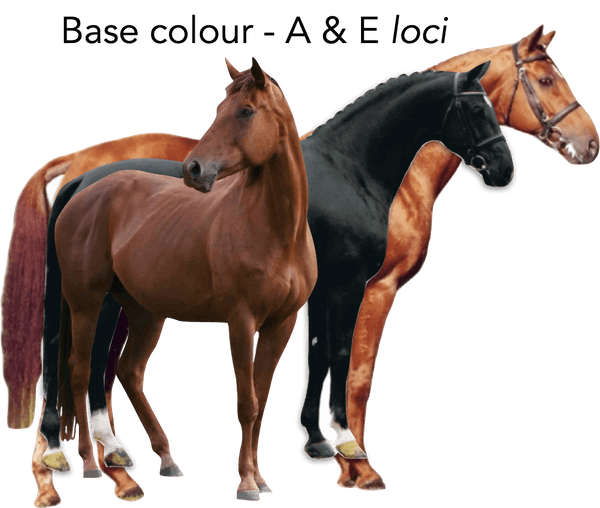
  • Base colour test - A and E loci - Equigerminal Base colour test - A and E loci - Equigerminal

    Base colour test - A and E loci

    Buy a Base colour test and find out if your horse's base colour is Black, Bay or Chestnut. Results within 24 h are available. DNA test for the Agouti and Extension loci that controls distribution of Black and Red pigment throughout the coat. Sample 30 to 40  hair roots  or 5 mL - blood - K3 EDTA tube Turnaround time Standard processing - Results in 3-5 working days after sample arrival at the laboratory. Clients organize and support the costs of sending the samples to the laboratory. PREMIUM processing - Results in 1 day after sample arrival. Includes free express delivery** . The laboratory organizes Express shipping with pick-up of the package at the client's address and delivery at the laboratory. ** PREMIUM SERVICES INCLUDE AN EXPRESS SHIPPING DELIVERY FOR EUROPEAN COUNTRIES FROM NON-REMOTE REGIONS. Check here to know if you are in a remote European region. For remote/outreach regions EXTRA fees are applied.    Why test? Horses have only three base colours: Bay, Black or Chestnut These different colours are controlled by 2 loci, the Extension  (Red/Black) and Agouti. The Extension locus controls the production of black or red pigment throughout the coat. The allele for black color (E) is dominant over the red allele (e), so a horse only needs one copy of the black allele to appear black-based. But if the horse has two alleles (e/e) he will appear Chestnut. The Agouti locus can then modify black pigment by pushing it the horse's points, creating a Bay. The Agouti A allele is dominant, so a black pigmented horse only needs one copy (heterozygous) of the A allele to appear Bay. The Agouti (a) allelle is recessive, thus, a horse needs two copies (homozygous) of the recessive allele (a) at the Agouti locus to appear Black. Agouti has no effect on red pigment, but the red allele (e) is dominant over the (a) allele. This means a Chestnut horse (e/e) can carry one or two copies of the Agouti recessive (a) allele and will look no different from chestnut horses with  Agouti dominant alleles (e/e a/a, e/e A/a,  e/e A/A).   Results description Base Colour Extension Agouti Bay E/E or E/e A/A or A/a Black E/E or E/e a/a Red e/e A/A, A/a or a/a   References Rieder, S., Taourit, S., Mariat, D., Langlois, B., & Guérin, G. (2001). Mutations in the agouti (ASIP), the extension (MC1R), and the brown (TYRP1) loci and their association to coat color phenotypes in horses (Equus caballus). Mammalian genome : official journal of the International Mammalian Genome Society, 12(6), 450–455. https://doi.org/10.1007/s003350020017  Marklund, L., Moller, M. J., Sandberg, K., & Andersson, L. (1996). A missense mutation in the gene for melanocyte-stimulating hormone receptor (MC1R) is associated with the chestnut coat color in horses. Mammalian genome : official journal of the International Mammalian Genome Society, 7(12), 895–899. https://doi.org/10.1007/s003359900264

    €61.50 - €95.00

  • MIM (PSSM2) DNA Test - 6 variant panel

    Generatio MIM (PSSM2) DNA Test - 6 variant panel

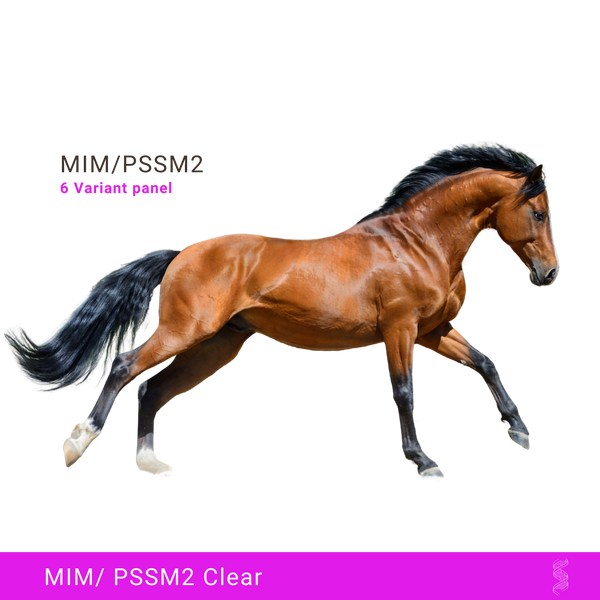
      MIM (PSSM2) DNA Test Ensure the Health and Performance of Your Horses with Accurate MIM Testing. Our DNA test identifies the presence of genetic variants associated with Muscle Integrity Myopathy (MIM), formerly known as PSSM2, which affects muscle function and structure. Sample Requirements 30 to 40 hair roots - envelope Alternatively, 5 mL blood - K3 EDTA tube Turnaround Time up to 15 working days Results Description The DNA test identifies six genetic variants that predispose horses to developing symptoms of Muscle Integrity Myopathy: P2: Myotilinopathy P3: Filaminopathy P4: Myozenin-3-Myopathy P8: PYROXD1-Myopathy Px: CACNA2D3-Myopathy K1: COL6A3-Myopathy Genetic Inheritance Muscle Integrity Myopathy (MIM) is caused by a hereditary predisposition involving multiple genetic variants. These variants disrupt the structure and function of muscle fibers, leading to symptoms such as muscle stiffness, unexplained lameness, and difficulty building muscle. Clinical Signs and Affected Breeds Symptoms of MIM can vary widely among horses and include unexplained lameness, muscle stiffness, difficulty with gait changes, reluctance to move, muscle atrophy, and behavioral changes. Almost any breed can be affected, with common occurrences in breeds like Quarter Horses, Warmbloods, and Thoroughbreds. Why Test? Testing for MIM is crucial for breeders and owners to make informed decisions. By identifying carriers of the genetic variants, breeding choices can be optimized to prevent the spread of these disorders. Additionally, knowing a horse's genetic status can help manage and mitigate symptoms through tailored exercise and feeding protocols. Learn More Detailed Results Description The DNA test results will indicate the presence of the following genetic variants: P2: Myotilinopathy P3: Filaminopathy P4: Myozenin-3-Myopathy P8: PYROXD1-Myopathy Px: CACNA2D3-Myopathy K1: COL6A3-Myopathy Additional Information Muscle Integrity Myopathy (MIM) is a genetic disorder that disrupts muscle function and structure, leading to various clinical signs. While it is not possible to cure genetic disorders, optimized management through diet and exercise can help mitigate symptoms, allowing horses to lead normal lives. References Generatio. Muscle Integrity Myopathy in HorsesEquiSeq. Polysaccharide Storage Myopathy type 2 (PSSM2) Check our FAQs for more information FAQs What breeds are affected by MIM? Almost any breed can be affected by MIM, with common occurrences in breeds like Quarter Horses, Warmbloods, and Thoroughbreds. How is MIM inherited? MIM is caused by multiple genetic variants that disrupt muscle structure and function. These variants are inherited and can predispose horses to developing symptoms of exertional myopathy. How can MIM be managed? While genetic disorders cannot be cured, their symptoms can often be managed through optimized feeding and exercise protocols. Identifying genetic variants through testing allows for tailored management strategies to mitigate symptoms. Visit our full FAQ page for more details.

    €357.32

  • Hereditary Equine Regional Dermal Asthenia - HERDA - Equigerminal

    HERDA Hereditary Equine Regional Dermal Asthenia

    DNA test DNA test for Hereditary Equine Regional Dermal Asthenia (HERDA). This test verifies the presence of the recessive HERDA gene. Sample 30 to 40 - hair roots - envelope or 5 mL - blood - K3 EDTA tube Turnaround time 2 to 5  working days Why test? This DNA test helps breeders to identify horses that carrying the HERDA recessive mutation. Informed choices can be made for breeding selections, and prevent the born of affected foals. Results description  The DNA test verifies the presence of the recessive HERDA gene and presents results as one of the following:     N/ - Negative for HERDA. Absence of the defective gene responsible for HERDA. N/HERDA - Carrier - Positive heterozygous for HERDA. Presence of one copy of the allele responsible for HERDA.  The horse is a carrier for HERDA and can pass on a copy of HERDA allele to their progeny when bred. HERDA/ - Positive Homozygous for HERDA. Presence of two copies of the allele responsible for HERDA.  The horse is affected by  HERDA disorder and can pass the HERDA allele to 100% of their progeny when bred. Additional information Hereditary equine regional dermal asthenia (HERDA) is a genetic skin disease predominantly found in the American Quarter Horse. Within the breed, the disease is prevalent in particular lines of cutting horses. HERDA is characterised by hyper-extensible skin, scarring, and severe lesions along the back of affected horses. Affected foals rarely show symptoms at birth. The condition typically occurs by the age of two, most notably when the horse is first being broke to saddle. There is no cure, and the majority of diagnosed horses are euthanised because they are unable to be ridden and are inappropriate for future breeding. HERDA has an autosomal recessive mode of inheritance and affects stallions and mares in equal proportions.

    €43.05

  • Melanoma - Equigerminal

    Melanoma

    DNA test 2 DNA tests that can help to predict the possible type of incidence for developing  dermal melanomas on grey horses. Sample 5 mL - blood - K3 EDTA tube Turnaround time 2 to 5  working days Why test? This 2 DNA tests for melanoma confirms if the grey horse is heterozygous (G/N) or homozygous (G/) for the Grey gene and if is Homozygous for non-agouti (a/a).The results can predict the type incidence for developing dermal melanomas.   Results description The genetic profile test verifies the genotype of the Grey and Agouti genes, and presents results as one of the following:  Melanoma incidence risk G/N + A/a or A/A – Moderate incidence of dermal melanomas. G/N + a/a – Moderate to high incidence of dermal melanomas. G/G + A/a or A/A – High incidence of dermal melanomas. G/G + a/a – Very high incidence of dermal melanomas.   Additional information Most melanomas found in horses are benign. Once present these benign types of melanoma are not aggressive in their growth and may progress over several years requiring little treatment. A melanoma is one of the most common skin tumors seen in a horse or pony. Grey horses have a high incidence of dermal melanomas that are commonly seen around the tail and head. Over 80% of Grey horses older than 15 years will develop melanoma. Grey homozygotes are more likely to develop melanoma than heterozygotes. Grey horses that are homozygous for non-agouti (aa) genotype at the Agouti locus, also have a higher risk for melanoma. Many Grey horses show depigmentation of the skin around the eyes, mouth and anus but there are no health risks associated with this condition. Malignant melanomas in horses can cause severe problems and can be life-threatening. Problems develop when melanomas are present internally or if they become so large that they ulcerate, bleed and become infected. Equine melanomas sometimes grow so large that they can cause severe weight loss and/or colic. If a melanoma is situated on the head in an area where a bridle, saddle, head collar or rug might rub, it will be uncomfortable for the horse, potentially causing behavioural problems. Infections can also occur.  

    €73.80

  • Cream dilution - Equigerminal

    Cream dilution

     DNA test The cream dilution gene has varying effects on different base colours. To obtain the exact ‘type name’ of cream dilute of the horse it is recommended to run this test in conjunction with Extension and Agouti genes. Sample 30 to 40 - hair roots - envelope or 5 mL - blood - K3 EDTA tube Turnaround time 2 to 5  working days Why test? Testing is useful where genetic confirmation is required or to define cream dilute horses aside from other genes with similar effects (such as champagne dilution and grey). Running this test will confirm if a horse is cream dilute. As mentioned the cream dilution gene has varying effects on different base colours. To obtain the exact ‘type name’ of cream dilute of the horse (eg. Buckskin, Palomino, Cremello…) it is recommended to run this test in conjunction with red factor and agouti. Results description The DNA test verifies the presence of the Cream dilution gene and presents results as one of the following: N/ - Non-dilute. Basic colours are black, bay or chestnut, in the absence of other modifying genes. N/Cr – Dilute. Heterozygous, one copy of the Cream (Cr) allele. Chestnut is diluted to palomino; bay is diluted to buckskin and black is diluted to smoky black. These colours can be further modified by the actions of other genes. Cr/ - Double dilute, two copies of the Cream (Cr) allele. Chestnut is diluted to cremello; bay is diluted to perlino and black is diluted to smoky cream. Additional information The cream dilution gene affects both red and black pigment and is responsible for ‘diluting’ the carrying horse to lighter coat shades and colours. In many breeds this is often considered a highly desirable trait. Cream dilution is the gene responsible for palominos, buckskins, cremellos and many more. Horses which carry one copy of the cream gene are identified as single dilutes; they are heterozygous for the cream dilution gene. In the simplest case, a bay horse with a single copy of cream is known as a buckskin, a single dilute black horse is known as a smoky black and a single dilute chestnut or sorrel horse is known as a palomino. Single dilute horses have a 50% chance on passing the cream gene on to its offspring. Horses which carry two copies of the cream gene are referred to as double dilutes; they are homozygous for the cream dilution gene. A bay horse with two copies of cream is known as a perlino. A black horse with two copies of cream is known as a smoky cream and a chestnut or sorrel horse that carries two copies of cream is known as a cremello. Double dilute horses will always pass on a copy of the cream gene to its foals.      

    €43.05

  • PPID or Equine Cushing’s Disease, ACTH Adrenocorticotropic hormone - ACTH - Equigerminal

    PPID or Equine Cushing’s Disease, ACTH

    Adrenocorticotropic hormone - ACTH  ACTH levels are seasonal in horses  Increased ACTH levels could indicate Pituitary Pars Intermedia Dysfunction PPID, also known as Equine Cushing’s Disease. For more information about PPID please check the 2021  EEG recommendations on diagnosis and management of pituitary pars intermedia dysfunction (PPID).   Sample requirements 5 mL of blood in EDTA tube Separate the plasma by centrifugation or gravity and freeze plasma at -20ºC (in a regular freezer).  Send freeze plasma to lab ASAP in a refrigerated package.  Turnaround time 2 to 5 working days

    €19.38

  • Glanders - Burkholderia mallei, qPCR - Equigerminal

    Glanders Burkholderia mallei qPCR

    1 review

    Pathogen test  The PCR test detects the genome (DNA) of Burkholderia mallei, the bacteria responsible for Glanders in equines. Sample 5 mL - blood - K3 EDTA tube Turnaround time 2 to 5 working days   What is Glanders? Glanders is a contagious and fatal disease of horses, donkeys, and mules, caused by infection with the bacterium Burkholderia mallei.The pathogen causes nodules and ulcerations in the upper respiratory tract and lungs. A skin form also occurs, known as ‘farcy’. Control of glanders requires testing of suspect clinical cases, screening of apparently normal equids, and elimination of positive reactors. As B. mallei can be transmitted to humans, all infected/contaminated or potentially infected/contaminated material must be handled in a laboratory with appropriate biosafety and biosecurity controls following a biorisk analysis. Glanders is an OIE listed disease as described in the Terrestrial Animal Health Code of the World Organisation for Animal Health (OIE). As indicated in the OIE Terrestrial Animal Health Code any occurrence of glanders must be notified to the OIE. Clinical signs The disease causes nodules and ulcerations in the respiratory tract and lungs in animals. A skin form, known as ‘farcy’, also occurs. Both acute and chronic forms of the disease have been described. Acute forms occur most frequently in donkeys and mules, with high fever and respiratory signs. In horses, glanders generally takes a more chronic course and they may survive for several years. There are four recognised clinical presentations of glanders: nasal, pulmonary, cutaneous and asymptomatic carrier. These different forms of glanders are usually referred to according to the location of the initial infection. The nasal and pulmonary forms tend to be more acute while the cutaneous form is a chronic process. Inflammatory nodules and ulcers develop in the nasal passages and give rise to a sticky yellow discharge. Stellate scarring follows upon healing of the ulcers. The formation of nodular abscesses in the lungs is accompanied by progressive debility, coughing and may also be accompanied by diarrhoea. In the cutaneous form (“farcy’), the lymph vessels are enlarged; nodular abscesses form along their course, which then ulcerate and discharge yellow pus. Nodules are regularly found in the liver and spleen, leading to wasting and death. Transmission The most common source of infection is ingestion of contaminated food or water. Contaminated aerosols (produced by coughing and sneezing), and contaminated fomites brought to the animals via grooming equipment and tack may also be a source of infection. The bacteria can also enter the body through contact with lesions or abrasions of the skin or through mucosa. In this case, a local infection with ulceration may develop spreading to other parts of the body in the course of the disease. Poor husbandry and feeding conditions as well as animal transport can be predisposing factors. Unsanitary conditions and over-crowded stables are risk factors. Prevention To date, no treatment with veterinary drugs is capable to cure the infection. Control of glanders requires early detection and diagnostic testing of suspected clinical cases, screening of apparently normal equids, and elimination of positive cases. For glanders-free countries, there are recommendations on importing equines. An international veterinary certificate is required attesting that the animals showed no clinical signs of glanders and were kept in an exporting country free of the disease for at least 6 months prior to shipment.

    €55.35

  • Dourine - Trypanosoma equiperdum, qPCR - Equigerminal

    Dourine - Trypanosoma equiperdum, qPCR

    Pathogen test  The PCR test detects the genome (DNA) of  Trypanosoma equiperdum, the pathogen responsible for Dourine. Sample 5 mL - blood - K3 EDTA tube Turnaround time 2 to 5 working days   What is Dourine? Dourine is a chronic or acute contagious disease of breeding equids that is transmitted directly from animal to animal during coitus. The causal organism is Trypanosoma equiperdum. Dourine is the only trypanosomosis that is not transmitted by an invertebrate vector. Trypanosoma equiperdum differs from other trypanosomes in that it is primarily a tissue parasite that is rarely detected in the blood. There is no known natural reservoir of the parasite other than infected equids. Clinical signs Dourine is characterised mainly by swelling of the genitalia, cutaneous plaques and neurological signsThe symptoms vary with the virulence of the strain, the nutritional status of the horse, and stress factors. The clinical signs often develop over weeks or months. They frequently wax and wane; relapses may be precipitated by stress. This can occur several times before the animal either dies or experiences an apparent recovery.Genital edema and a mucopurulent discharge are often the first signs. Mares develop a mucopurulent vaginal discharge, and the vulva becomes oedematous; The genital region, perineum and udder may become depigmented. Abortion can occur with more virulent strains. Stallions develop edema of the prepuce and glans penis, and can have a mucopurulent discharge from the urethra. In stallions, the swelling may spread to the scrotum, perineum, ventral abdomen and thorax. Neurological signs can develop soon after the genital edema, or weeks to months later. Restlessness and weight shifting from one leg to another is often followed by progressive weakness, incoordination and, eventually, paralysis. Facial paralysis, which is generally unilateral, may be seen in some animals. Conjunctivitis and keratitis are common, and in some infected herds, ocular disease may be the first sign of dourine. Anemia and intermittent fever may also be found. In addition, dourine results in a progressive loss of condition, predisposing animals to other diseases. Transmission Unlike other trypanosomal infections, dourine is transmitted almost exclusively during breeding. Transmission from stallions to mares is more common, but mares can also transmit the disease to stallions. T. equiperdum can be found in the vaginal secretions of infected mares and the seminal fluid, mucous exudate of the penis, and sheath of stallions. Periodically, the parasites disappear from the genital tract and the animal becomes noninfectious for weeks to months. Non infectious periods are more common late in the disease. Male donkeys can be asymptomatic carriers. Rarely, infected mares pass the infection to their foals, possibly before birth or through the milk. Infections are also thought to occur through mucous membranes such as the conjunctiva. Other means of transmission may also be possible; however, there is currently no evidence that arthropod vectors play any role in transmission. Sexually immature animals that become infected can transmit the organism when they mature. Prevention To prevent dourine from being introduced into a herd or region, new animals should be quarantined and tested by serology. When dourine is found in an area, quarantines and the cessation of breeding can prevent transmission while infected animals are identified. Dourine can be eradicated from a herd, using serology to identify infected equids. Infected animals are euthanised. In some cases, stallions have been castrated to prevent disease transmission; however, geldings can still transmit the disease if they display copulatory behavior. Successful treatment with trypanocidal drugs has been reported in some endemic areas. However, therapeutic regimes have not been thoroughly investigated, and treatment is usually discouraged due to fears that the organism will persist inapparently. Good hygiene should be used at assisted matings. No vaccine is available.

    €55.35

  • Anti-Müllerian Hormone (AMH) - Equigerminal

    AMH Anti-Müllerian Hormone

    Parameter Anti-Müllerian Hormone (AMH)  Sample 5 mL - blood - serum tube  Turnaround time 2 to 5 working days

    €92.25

  • Equine Herpesvirus Type 1 & Equine Herpesvirus Type 4, qPCR - Equigerminal

    Equine Herpesvirus Type 1 & Equine Herpesvirus Type 4, qPCR

    Pathogen test  Two qPCR test, one that detects the genome (DNA) of  Equine Herpesvirus Type 1 (EHV-1) and one that detects the genome (DNA) of Equine Herpesvirus Type 4 (EHV-4). Sample 1 nasal or nasopharyngeal swab ( see AAEP guidelines)  and 5 mL - K3 EDTA tube Turnaround time 2 to 5 working days 24-48h - please contact lab  Our lab is approved by FEI for EHV-1 testing. What is Herpesvirus Type 1? more info here What is Herpesvirus Type 4? more info here

    €86.10

  • Allergy test to Mites & Moulds - Equigerminal

    Allergy test to Mites & Moulds

    Non-invasive allergy testing to different allergens. Mites and moulds allergens  Results are given as (reactive 0 to 5) for each of the 2 classes of allergens, with identification of the specific allergen in each class.  1 - Testing for Six different Mite allergens : - Dermatophagoides (D.) farinae - D. pteronyssinus - Tyrophagus putrescentiae - Acarus siro  - Glycophagus domesticus  - Lepidoglyphus destructor PLUS 2 - Testing for different Mould allergens, such as  :  - Alternaria alternata - Aspergillus fumigatus - Aspergillus niger - Cladosporium herbarum  - Epicoccus nigrum - Helmintosporum sativum - Penicillium notatum - Fusarium spp. - Ustilago  - Rhizopus    Sample 5 mL serum or 4 mL of blood collected in a serum tube   Turnaround time 7  working days   Why test? Equine allergies are common and can affect any breed, age or sex of horse. Symptoms involving the skin, respiratory and gastrointestinal systems can occur for a number of reasons with the diagnosis of allergy being made by systematically ruling out other common conditions. Once diagnosed, knowing what allergens your horse is sensitive to allows you to manage their condition in a way that is specific to their individual needs. Key points: Rapid and easy identification of potential offending allergens Non-invasive and not influenced by most medications Standardised procedure with excellent reproducibility  

    €249.00

  • Respiratory signs profile - Equigerminal

    Respiratory signs profile

    Pathogen profile Screening of 5 pathogens responsible for respiratory disease in equines: EHV-1, EHV-4, Equine Influenza, Rhodococcus equi (Pneumonia) and Streptococcus equi (Stranglers).  Our lab is approved by FEI for EHV-1 testing. Sample 1 nasopharyngeal swab ( see AAEP guidelines)  & 5 mL - blood - K3 EDTA tube Turnaround time 2 to 5  working days

    €150.00

  • Malignant hyperthermia - MH - Equigerminal

    MH Malignant hyperthermia

    DNA test DNA test for the Malignant hyperthermia (MH). This test verifies the presence of the dominant MH gene and presents results as one of the following: Sample 30 to 40 - hair roots - envelope or 5 mL - blood - K3 EDTA tube Turnaround time 2 to 5  working days Results description The DNA test verifies the presence of the dominant MH gene and presents results as one of the following: N/ - Negative for MH.  Absence of the allele responsible for Malignant Hyperthermia (MH). MH/N - Affected - Positive heterozygous for MH. Presence of one copy of the allele responsible for MH. The horse is affected with the MH disorder and can pass the MH allele  to 50% of their progeny when bred. MH/ - Affected - Positive homozygous for MH. Presence of two copies of the allele responsible for MH.  The horse is affected with the MH disorder and will pass the MH allele to 100% of its offspring. Additional information Malignant Hyperthermia or MH is a genetic muscle disorder that affects Quarter Horses and related breeds. Horses with the MH mutation may not show any physical signs of the disorder until triggered by exposure to anaesthesia or extreme exercise or stress. Symptoms can include high temperature, increased heart rate, high blood pressure, sweating, acidosis, and muscle rigidity. Symptoms develop rapidly, and if not treated quickly, this condition can be fatal. MH is inherited as an autosomal dominant trait, so the disorder can be passed on even if only one parent has the defective gene. The mutation can be present along with PSSM and if a horse also has PSSM, the symptoms associated with MH can be more severe. Therefore, testing for both PSSM and MH is recommended for Quarter Horse breeds. Although this condition is rare, testing for MH is recommended in case a horse must undergo anaesthesia. Horses that are known to have the MH mutation can be given medication prior to administering anaesthesia to help reduce the severity of the symptoms.

    €43.05

  • Glycogen Branching Enzyme Deficiency - GBED - Equigerminal

    GBED Glycogen Branching Enzyme Deficiency

    DNA test DNA test for the Glycogen Branching Enzyme Deficiency (GBED). This DNA test verifies the presence of the recessive GBED allele. Sample 30 to 40 - hair roots - envelope or 5 mL - blood - K3 EDTA tube Turnaround time 2 to 5  working days Why test? This DNA test identify inapparent carriers of the GBED fatal disorder.  In breeding selection is recommended to avoid the crossbreeding of two GBED inapparent carriers to prevent in utero abortion of foetus and the birth of foals affected by GBED.  To confirm GBED in affected foals. DNA testing provide important tools for informed choices about breeding selections to prevent abortion and the birth of affected foals.    Frequency and affected breeds More frequent in Paint Horses and Quarter horses related breeds. A prevalence of  7,1% and 8,3% in the Paint and Quarter Horse breeds, respectively (Wagner et al., 2006).   Results description The DNA test verifies the presence of the recessive GBED alleles and presents results as one of the following:  N/ - Negative for GBED. Absence of the defective allele responsible for GBED. GBED/N - Carrier - Positive heterozygous for GBED. Presence of one copy of the allele responsible for GBED.  The horse is a carrier for GBED and can pass on a copy of GBED allele to their progeny when bred. GBED/ - Affected - Positive Homozygous for GBED. Presence of two copies of the allele responsible for GBED.  The animal is affected by GBED disorder. GBED is lethal causing abortion and/or  neonatal mortality.   Additional information Glycogen Branching Enzyme Deficiency (GBED) fatal condition caused by an autosomal recessive genetic disorder that results in the bodies' inability to properly store sugar in the glycogen form. In a normal horse, the body stores sugar as energy by converting glucose to glycogen. This genetic disorder  affects the production of the enzyme needed to branch the glycogen structure, preventing the horse from being able to adequately store sugar in the glycogen form. This means that the horse will not be able to store enough energy to fuel important organs, such as the muscles and brain. Unfortunately, GBED is always fatal.  GBED often causes the foetus to be aborted in utero. When born most affected foals will die in the first weeks of age.  Research studies showed that as many as 2,5% of aborted Quarter Horse foetus were homozygous for the GBED mutation (Wagner et al., 2006).  Foals born which are affected by GBED suffer from a range of clinical signs associated with this lack of sugar, such as low energy, weakness and difficulty rising.  Other clinical signs include low body temperature, contracted muscles, seizures, and sudden death.   REFERENCES Tryon RC, Penedo MC, McCue ME, Valberg SJ, Mickelson JR, Famula TR, Wagner ML, Jackson M, Hamilton MJ, Nooteboom S, Bannasch DL. Evaluation of allele frequencies of inherited disease genes in subgroups of American Quarter Horses. J Am Vet Med Assoc. 2009 Jan 1;234(1):120-5. doi: 10.2460/javma.234.1.120. PubMed PMID: 19119976.DOI: 10.2460/javma.234.1.120 Wagner ML, Valberg SJ, Ames EG, Bauer MM, Wiseman JA, Penedo MC, Kinde H, Abbitt B, Mickelson JR. Allele frequency and likely impact of the glycogen branching enzyme deficiency gene in Quarter Horse and Paint Horse populations. J Vet Intern Med. 2006 Sep-Oct;20(5):1207-11. PubMed PMID: 17063718.DOI: 10.1892/0891-6640(2006)20[1207:afalio]2.0.co;2

    €43.05

  • Hyperkalemic Periodic Paralysis - HYPP - Equigerminal

    HYPP Hyperkalemic Periodic Paralysis

    DNA test for the Hyperkalemic Periodic Paralysis Disease (HYPP). This DNA test verifies the presence of the recessive HYPP gene.  Sample requirements  30 to 40 hair roots  or 5 mL of blood in K3 EDTA tube Turnaround time 2 to 5  working days Why test? This genetic test helps breeders to identify horses that carrying the HYPP recessive gene. Informed choices can be made for breeding selections, and prevent the born of affected foals. All offspring of Impressive should be tested for HYPP. Because HYPP is dominant disorder, the effects of it can also be transposed to other breeds of horses when intermixing occurs. This test is important in preserving the inherited health of all horses. Horses with suspicious symptoms of the disease should also be tested. Results description  The DNA test verifies the presence of the recessive HYPP gene and presents results as one of the following: N/ –  Normal - Absence of the allele responsible for HYPP. N/H – Affected - Positive heterozygous for HYPP. Presence of one copy of the allele responsible for HYPP. The horse is affected with the HYPP disorder and there is a 50% chance this horse will pass a HYPP allele to its offspring. H/ – Affected- Positive homozygous for HYPP. Presence of two copies of the allele responsible for HYPP. The horse is affected with the HYPP disorder and there is a 100% chance this horse will pass a HYPP allele to its offspring. Additional information Hyperkalemic Periodic paralysis (HYPP) is an inherited disease of the muscle, which is caused by an inherited genetic mutation. A point mutation in DNA exists in the sodium channel gene, which codes for an abnormal channel to be expressed in skeletal muscle. This mutation is passed on to offspring. Sodium channels are “pores” in the muscle cell membrane which control contraction of the muscle fibers. When the defective sodium channel gene is present, the channel becomes “leaky” and makes the muscle overly excitable and contract involuntarily. The channel become “leaky” when potassium levels fluctuate in the blood. This may occur with fasting followed by consumption of a high potassium feed such as alfalfa. Hyperkalemia, which is an excessive amount of potassium in the blood, causes the muscles in the horse to contract more readily than normal. This makes the horse susceptible to sporadic episodes of muscle tremors or paralysis. Severity of attacks varies from unnoticeable to collapse or sudden death. The cause of death is usually respiratory failure and/or cardiac arrest. This genetic defect has been identified in offspring of the American Quarter Horse sire, Impressive. To date, confirmed cases of HYPP have been restricted to descendants of this horse.  HYPP is a dominant disorder meaning both homozygous positive (HH) and heterozygous (nH) horses will be affected. Only homozygous negative (nn) horses are not affected by HYPP.

    €43.05

Login

Forgot your password?

Don't have an account yet?
Create account