112 products

  • Extension - Chestnut or Sorrel - Equigerminal

    Extension, Chestnut or Sorrel

     DNA test DNA test for the Extension gene that controls the production of black or red pigment throughout the coat. Sample 30 to 40 - hair roots - envelope or 5 mL - blood - K3 EDTA tube Turnaround time 2 to 5  working days Why test? The DNA testing for the Extension gene can be used to identify those black horses for which neither pedigree nor breeding records is informative for identifying carriers of the recessive red factor. Since red is inherited as a recessive trait, it is relatively easy to start up a breeding program that will produce only red horses. It has been more difficult to initiate a black breeding program as black (Ee) horses can produce red foals.  Results description The DNA test for Extension gene verifies the base coat color and presents results as one of the following: E/E - Dominant Homozygous for Extension - Black, Bay or Brown - Only the black factor is expressed. The horse can only transmit the (E) allele E/E to it offspring. It cannot have foals with basic coat colour Chestnut or Sorrel foals regardless of the color of the mate. The Agouti gene will determine if the basic coat color will be black, bay or brown, unless modified by other color modifying genes. E/e - Heterozygous for Extension - Black, Bay or Brown - Both red and black factor are expressed. It can transmit either (E) or (e) allele to its offspring. The Agouti gene will determine if the basic coat color will be black, bay or brown, unless modified by other color modifying genes. e/e - Recessive homozygous for Extension - Chestnut or Sorrel - Only the red pigment is expressed. The basic coat color is chestnut or sorrel unless modified by other color modifying genes. Additional information Equine coat color is built on one of two possible base pigments: red or black. The Extension gene controls the production of this base pigment (red or black). All horses will have the genetics for black or red pigment, regardless of their physical appearance. There are a number of dilutions patterns and modifiers, which a horse can carry that affect the base pigment of a horse. The Extension gene (red factor) has two alternative states (alleles). The dominant allele (E) produces black pigment in the coat. The recessive allele (e) produces red pigment. Red horses (chestnuts, sorrels, palominos…) are homozygous, that is they have two alleles, for the recessive red allele (e/e). Black pigmented horses (black, bay, brown, buckskin…) have at least one (E) allele. They can be homozygous (E/E) or heterozygous (E/e). A horse that is homozygous (E/E) will not produce red offspring, regardless of the color of the mate.  

    €43.05

  • Lavander Foal Syndrome - LFS - Equigerminal

    LFS Lavender Foal Syndrome

    DNA test DNA test for the Lavender Foal Syndrome (LFS) – Pure and part-bred Arab horses. This test verifies the presence of the recessive LFS gene. Sample 30 to 40 - hair roots - envelope or 5 mL - blood - K3 EDTA tube Turnaround time 2 to 5  working days Why test? This genetic test determines LFS clear, carrier or affected status. Informed choices can be made for breeding selections, and prevent the born of affected foals. Results description The DNA test verifies the presence of the recessive LFS gene and presents results as one of the following:  N/ – Non-carrier of the LFS gene. Tested negative for the LFS gene. N/LFS - Heterozygous horse for LFS, both the normal and LFS alleles were detected. The horse is a carrier of LFS genetic disorder and there is a 50% chance this horse will pass a LFS allele to its offspring LFS/ – Homozygous horse for LFS, carrier of two copies of the LFS gene. The horse is affected with the LFS genetic disorder. Additional information Lavender Foal Syndrome (LFS) is a recessive genetic disorder. Affected foals born with the unique diluted coat color that can appear to be pale lavender, pale pink or silver. This foals-often have a difficult delivery, problems standing at birth and usually have episodes where they rigidly extend their limbs, neck and back. These episodes tend to resemble a seizure, although the affected foal does not seem normal between episodes. All affected foals are usually euthanised within days or weeks of birth. LFS is rare and is considered to be an autosomal recessive trait. “Autosomal” means that there is no sex linkage, so both males and females can be equally affected. “Recessive” means that in order for a foal to be affected, it must have received two copies of the mutated gene, inheriting one copy from each parent. Horses that have one copy of the mutated gene, in combination with one copy of the normal gene, are physically normal but are considered carriers and have a 50% probability, each time they are bred, of passing the mutation along to their offspring. The SNP mutation that causes LFS has not been detected in other breeds.  Testing for this mutation in horses with no Arabian blood lines is not recommended. However, in cases where pedigree is not known, testing could be a useful tool to prevent possible affected foals.

    €43.05

  • LWFS Lethal White Foal Syndrome

    LWFS Lethal White Foal Syndrome

    DNA test DNA test for the Overo gene that is associated with the Lethal White Foal Syndrome (LWFS). Sample 30 to 40 - hair roots - envelope or 5 mL - blood - K3 EDTA tube Turnaround time 2 to 5  working days Why test? The relationship between Lethal White Foal Syndrome (LWFS) and the frame overo coat pattern is not always straightforward. Usually carriers of LWFS are frame overo in pattern, and have 1 copy of the mutated allele (nL). But not all frame overo horses carry the mutated allele, some have the genotype (nn). And some horses with other coat patterns (including solid coloured paints and tobiano) have been found to carry the mutated allele. It should also be remembered that not all white foals have the genotype (LL) ,and may not be affected by LWFS. Results description The DNA test verifies the presence of the mutation associated to the Overo and presents results as one of the following:  N/ – Non-Overo or ‘solid’ horse O/N – Frame Overo horse. Horse carries just a single copy of frame Overo. Since frame Overo is a dominant gene, the coat pattern should be present in all horses with a single copy of the mutated gene. O/ – A Lethal White Foal Syndrome (LWFS). Foal carries two copies, homozygous for frame Overo. Since no living frame Overo horse more than a week old will test as being homozygous, it applies only to horses in the Lethal White condition. Additional information Frame Overo is a highly desirable white pattern gene. All Frame Overo horses carry a single inherited copy of the Ile118Lys EDNRB mutation. This mutation causes pigment loss, producing white markings on certain areas of the horse. While the mutation produces visually desirable horses, it is also linked to a fatal condition known as Lethal White Foal Syndrome (LWFS), whereby a foal is born almost pure white in appearance, and dies within its first few days of life. Correct breeding can avoid this occurrence.  LWFS occurs when a horse inherits two copies of the mutated gene, one from both parents. Whereas horses with just one copy of the gene will live normally and exhibit the desirable pattern. A horse with two copies of the mutated gene will suffer intestinal abnormalities caused by undeveloped nerves of the foal’s digestive system. These animals die within the first 72 hours of being born and are typically euthanized sooner for humane reasons. Frame Overo horses which carry just a single copy of the gene, will pass one copy of it to their foals approximately 50% of the time when bred. Therefore, when breeding an Overo horse to a solid non-Overo horse, the foal can only inherit one copy. However, if two Overo horses are bred together they could potentially both pass the Overo gene to the foal, meaning it inherits two copies. Horses which inherit two copies of Frame Overo will suffer the Lethal White condition. Proper mating must be carried out to ensure that two frame Overo horses do not breed. This will prevent any risk of the foal inheriting two copies of the mutated gene.

    €43.05

  • Liver function - Equigerminal

    Liver function

    Metabolic profile - Liver function Metabolic profile with 5 parameters: AST Gama-GT Bilirubines (total, direct and indirect) Alkaline Phosphatase Albumin Sample 5 mL - blood - Serum tube Turnaround time 1 working day   Metabolic Profile Reference Intervals Parameter Low High Units AST 222,00 489,00 U/L Gama-GT 8,00 33,00 U/L Total Bilirubine 0,50 2,10 mg/dL Direct Bilirubine 0,10 0,55 mg/dL Indirect Bilirubine 0,30 2,00 mg/dL Alkaline Phosphatase 88 268 U/L Albumin 2,9 3,60 g/dL

    €11.00

  • Mycological examination - Equigerminal

    Mycological examination

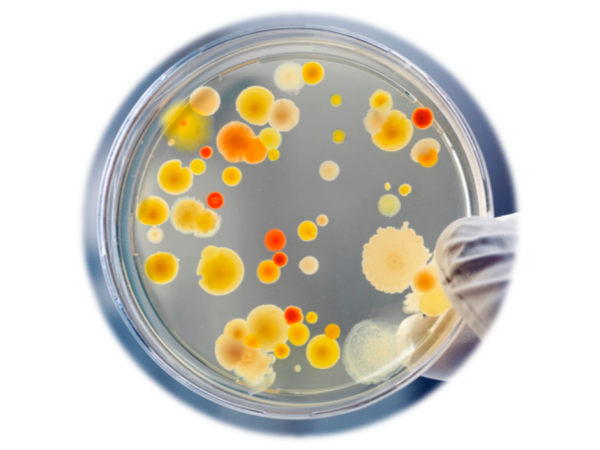
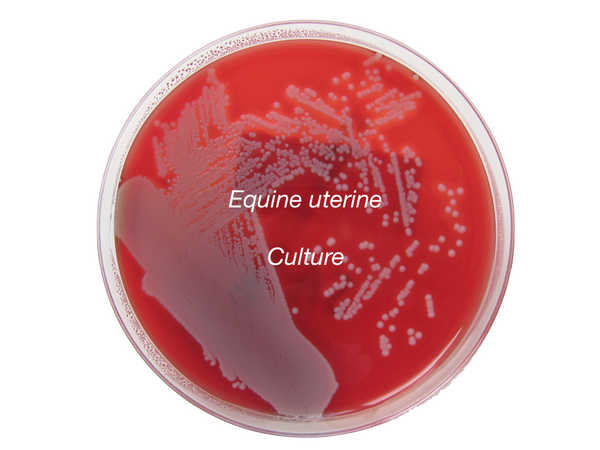
     Culture Mycological examination (direct and culture)  Sample fur  skin other  Turnaround time 15 to 30 days

    €20.00

  • Vesicular Stomatitis, RT-qPCR - Equigerminal

    VE Vesicular Stomatitis RT-qPCR

    Pathogen test  The RT-qPCR test detects the genome (RNA) of Indiana and Jersey virus strains responsible for Vesicular Stomatitis. Sample 5 mL - blood - K3 EDTA tube Turnaround time 2 to 5 working days   What is Vesicular Stomatitis? Vesicular Stomatitis (VS) is a contagious disease that afflicts horses, livestock, wildlife and even humans. The disease is caused by a virus, which although rarely life threatening, can have significant financial impact on the horse industry. Vesicular Stomatitis is a reportable disease. Equestrian event organisers may also choose to cancel horse shows, and other equestrian activities in the surrounding area. Interstate and international movement of horses may also be restricted.  Clinical signs When vesicular stomatitis occurs in horses, blister-like lesions usually develop on the tongue, mouth lining, nose or lips. In some cases, lesions can develop on the coronary bands, or on the udder or sheath. When VS is suspected, an exact diagnosis should be obtained by testing the blood for virus-specific antibodies or by testing swabs from the lesions to identify the presence of the virus. Testing is necessary to rule out the possibility that the lesions are caused by photosensitivity (sunburn), irritating feeds or weeds, or toxicity from non-steroidal anti-inflammatory medications like phenylbutazone.  The disease generally runs its course within two weeks, although it may take as long as two months for the sores to entirely heal. Live virus can often be isolated from the lesions for up to a week after the lesions appear.  During this time, the horse remains infective and the potential remains for the disease to spread to other animals. Transmission There are still some questions regarding how vesicular stomatitis is transmitted and why it only occurs sporadically in the U.S. The disease is distributed only in North, Central, and South America, with a greater incidence in warmer regions. Due to the seasonal occurrence of VS during summer through early fall, it is believed that insects such as biting flies and midges contribute to maintaining the lifecycle of the virus.  Black flies, sand flies, and midges are known to transmit the virus, but there may be other insect vectors that have not yet been identified. VS also can be passed from horse to horse by contact with saliva or fluid from ruptured blisters. Physical contact between animals, or contact with buckets, equipment, housing, trailers, feed, bedding, shared water troughs or other items used by an infected horse can provide a ready means of spread.  Prevention By observing the following guidelines you can help prevent the occurrence of VS:  Healthy horses are more disease resistant so provide good nutrition, regular exercise, deworming and routine vaccinations.  Isolate new horses for at least 21 days before introducing them into the herd or stable. Observe your horse closely. Immediately isolate any horse that shows signs of infection and contact your veterinarian. Implement an effective insect control program. Keep stabling areas clean and dry. Remove manure and eliminate potential breeding grounds (standing water, muddy areas) for insect vectors. Use individual rather than communal feeders, waterers, and equipment. Clean and disinfect feed bunks, waterers, horse trailers and other equipment regularly. Be sure that your farrier and other equine professionals who come into direct contact with your animals exercise due care so as not to spread the disease from one horse or facility to the next. On farms where VS has been confirmed, isolate any animals with lesions away from others and handle healthy animals first, ill animals last. Handlers should then shower, change clothing and disinfect equipment to prevent exposing others. Anyone handling infected horses should implement proper biosafety methods, including wearing latex gloves and washing hands after handling animals with lesions. If you are sponsoring an event during an outbreak, require a more recent health certificate on every horse entering the venue and consider having a veterinarian visually inspect all horses at check-in.  Work with your event veterinarian to establish isolation and response procedures that can be implemented quickly if a suspect case is identified at the venue.   

    €61.50

  • Salmonellosis, qPCR - Equigerminal

    Salmonellosis qPCR

    Pathogen test  The PCR test detects the genome (DNA) of the Salmonella serovar abortus-equi, the bacteria responsible for Salmonellosis and abortion in equines. Sample 1 genital swabs - sterile swab       and/or 20 gr - placental or foetal tissues - sterile flask      and/or 5 mL - blood - K3 EDTA tube Turnaround time 2 to 5 working days   What is Salmonellosis? Contagious and zoonotic bacterial infection caused by Salmonella spp, of which there are >2500 serotypes. Clinical signs   Abortion with infection by Salmonella serovar abortus-equi.   Clinically normal horses can transiently shed Salmonella, with shedding more common during: Concurrent illness: antibacterial usage, physiological disturbance Stress: transportation, social, nutritional Gastrointestinal disturbance: motility (especially colic), feed change  Diarrhoea (soft feces to projectile, watery diarrhoea) is most common, however, horses may have normal feces Fever (patient may have normal temperature, especially if treated with NSAIDs) Lethargy Anorexia Colic Localised infection (e.g. joint or bone infection) Sepsis/septic shock Laminitis as a common sequel to enterocolitis   Foals are commonly more seriously affected when compared to older horses, with profound systemic illness including: Hemorrhagic diarrhoea Pneumonia Meningitis Physitis Septic arthritis Transmission Fecal-oral spread Ingestion of contaminated material (pasture, roughage, feed or water) Fomites are a significant means of indirect transmission of infection Intermittent shedding by subclinically infected horses Aerosol transmission has been suspected in other species; evidence of this route in horses is lacking Prevention Measures Biosecurity Guidelines Quarantine horses that develop diarrhoea and/or fever. If a separate stall or paddock is not available, establish barrier precautions at their current location Isolate horses following significant colic episodes, impactions (notably small colon), or colic surgery to reduce environmental contamination and potential exposure of other horses should Salmonella subsequently be recovered on fecal culture Prevent horses that have come in contact with known infected or clinical cases from mixing with the general population Contaminated stall and equipment should have all organic material removed. Dispose of organic matter in a manner which prevents contamination of the facility (do not spread on pastures). Disinfection can be performed after all organic matter has been removed and the surfaces cleaned. Pressure washers or hoses should not be used as they can aerosolise Salmonella, potentially contaminating other parts of the facility or infecting a susceptible horse or human No commercially available validated vaccine is currently marketed. For animals with positive cultures while clinically ill: Before removing restrictions, following resolution of clinical signs, conduct a series of fecal cultures (see Diagnostic Sampling, Testing and Handling) to determine if all negative Where culture is not performed, isolation up to 30 days may be required to minimize risk of exposure of other horses from convalescent shedding of previously infected horses following the cessation of clinical signs (fever, diarrhoea). • Isolate horse for 30 days from resident horses Obtain 5 consecutive negative fecal cultures prior to releasing horse into the general population Prior to entry into the general population the horse should be housed in an environment that can be thoroughly cleaned and disinfected If the horse is turned out in a paddock, manure should be promptly removed and appropriately disposed of in a manner that avoids potential contamination of other areas of the facility. Caretakers should wear personal protective equipment. After the horse is released, the paddock should be harrowed to encourage drying and kept unused for 30 days  

    €55.35

  • Chlamydiosis, qPCR - Equigerminal

    Chlamydiosis, qPCR

    Pathogen test  The PCR test detects the genome (DNA) of the Clamydia psittaci, the bacteria responsible for Chlamydiosis. Sample 1 genital swabs - sterile swab 20 gr - placental or foetal tissues - sterile flask 5 mL - blood - K3 EDTA tube Turnaround time 2 to 5 working days   What is Chlamydiosis? Chlamydia psittaci is a bacterium carried by birds. It can cause a respiratory disease in people called Psittacosis and has also been linked to abortion in mares.    

    €55.35

  • Contagious Equine Metritis (CEM), 14d Culture - Equigerminal

    Contagious Equine Metritis (CEM), 14d Culture

    Screening of 3 pathogens responsible for Contagious Equine Metritis (CEM): Taylorella equigenitalis by culture over 14 days Pseudomonas aeruginosa by culture  Klebsiela pneumonia by culture Sample requirements 2 or 3 genital swabs in Amies transport  medium with charcoal. Clitoral fossa – use standard swab with Amies culture and transport system Clitoral sinuses swabbed – use Minitip Amies culture and transport system. Openings to the sinuses are on the dorsum of the clitoris - the central one is usually always present whereas the lateral sinuses may be multiple or not be present. Swab all that are present. Either cervical (closed cervix if pregnant or mid-cycle) or endometrial (while in estrus or true anestrus) swab – use guarded 25” swab. NOTE: Schedule all CEM culture submissions in advance with the laboratory. Multiple culture instances are often required and timing is critical. Official CEM testing generally involves multiple sets of samples taken on multiple days. Exact sampling schedules need to be confirmed with appropriate regulatory agencies in advance of testing. Horses cannot be tested while being treated and for a period of time after treatment with antibiotics. Turnaround time 14  working days   What is Contagious Equine Metritis? Contagious equine metritis is an inflammatory disease of the proximal and distal reproductive tract of the mare caused by Taylorella equigenitalis, which usually results in temporary infertility. It is a nonsystemic infection, the effects of which are restricted to the reproductive tract of the mare. Clinical signs When present, general clinical signs include endometritis, cervicitis and vaginitis of variable severity and a slight to copious mucopurulent vaginal discharge. In mares there are two states of infection: The active state in which the main outward sign is a vulval discharge, which may range from very mild to extremely profuse. The carrier state in which there are no outward signs of infection. However, the mare remains capable of transmitting infection because the bacteria are established on the surface of the clitoris, the clitoral fossa and sinuses and, in the case of pneumoniae and P. aeruginosa, sometimes in the urethra and bladder. In stallions: (‘stallion’ means mating stallions, teasers and stallions used for AI) Infected stallions do not usually show clinical signs of infection but the bacteria are present on their penis, sheath and. These stallions can infect mares during mating, teasing or AI. Occasionally, the bacteria may invade the stallion’s sex glands, causing pus and bacteria to contaminate the semen. Transmission Direct venereal contact during natural mating presents the highest risk for the transmission of equigenitalis from a contaminated stallion or an infected mare. Direct venereal transmission can also take place by artificial insemination using infective raw, chilled and possibly frozen semen. Indirectly, infection may be acquired through fomite transmission, manual contamination, inadequate observance of appropriate biosecurity measures at the time of breeding and at semen- collection centres. Stallions can become asymptomatic carriers of equigenitalis. The principal sites of colonisation by the bacterium are the urogenital membranes (urethral fossa, urethral sinus, terminal urethra and penile sheath). The sites of persistence of equigenitalis in the majority of carrier mares are the clitoral sinuses and fossa and infrequently the uterus. Foals born of carrier mares may also become carriers. The organism can infect equid species other than horses, e.g. donkeys. Prevention If infection with equigenitalis is suspected in any mare, stallion or teaser on the basis of clinical signs, all breeding activities must cease immediately. The affected horse(s) should be isolated and swabbed by the attending veterinary surgeon. Arrange swabbing of any at risk horse. Disinfect all equipment used for breeding procedures. Inform all owners of mares booked to the stallion, including any which have already left the premises; Inform people to whom semen from the stallion has been sent; Arrange for one straw from every ejaculate of stored semen from infected and at risk stallions to be tested by a laboratory. If a straw from any ejaculate is infected, all straws from that ejaculate should be destroyed; Any at risk pregnant mare must be foaled in isolation. The placenta must be incinerated. Foals born to these mares should be swabbed three times, at intervals of not less than seven days, before three months of age. Any mares with an abnormal vaginal exudate, or returning to oestrus prematurely, should be investigated and managed as though infected with equigenitalis until results of laboratory testing prove otherwise. If carriers of equigenitalis are detected, the organism can be eliminated by treatment with systemic and/or local antibiotics combined with antiseptic washing of the sites of persistence in the mare and the stallion.

    €100.00

  • Contagious Equine Metritis (CEM), 7d Culture - Equigerminal

    Contagious Equine Metritis (CEM), 7d Culture

    Screening of 3 pathogens responsible for Contagious Equine Metritis (CEM): Taylorella equigenitalis by Culture over 7 days Pseudomonas aeruginosa, Culture  Klebsiela pneumonia, Culture   Sample 2 or 3 genital swabs in swab Amies transport medium with charcoal. Clitoral fossa – use standard swab with Amies culture and transport system Clitoral sinuses swabbed – use Minitip Amies culture and transport system. Openings to the sinuses are on the dorsum of the clitoris - the central one is usually always present whereas the lateral sinuses may be multiple or not be present. Swab all that are present. Either cervical (closed cervix if pregnant or mid-cycle) or endometrial (while in estrus or true anestrus) swab – use guarded 25” swab. NOTE: Schedule all CEM culture submissions in advance with the laboratory. Multiple culture instances are often required and timing is critical. Official CEM testing generally involves multiple sets of samples taken on multiple days. Exact sampling schedules need to be confirmed with appropriate regulatory agencies in advance of testing. Horses cannot be tested while being treated and for a period of time after treatment with antibiotics. Turnaround time 7  working days   What is Contagious Equine Metritis? Contagious equine metritis is an inflammatory disease of the proximal and distal reproductive tract of the mare caused by Taylorella equigenitalis, which usually results in temporary infertility. It is a nonsystemic infection, the effects of which are restricted to the reproductive tract of the mare. Clinical signs When present, general clinical signs include endometritis, cervicitis and vaginitis of variable severity and a slight to copious mucopurulent vaginal discharge. In mares there are two states of infection: The active state in which the main outward sign is a vulval discharge, which may range from very mild to extremely profuse. The carrier state in which there are no outward signs of infection. However, the mare remains capable of transmitting infection because the bacteria are established on the surface of the clitoris, the clitoral fossa and sinuses and, in the case of pneumoniae and P. aeruginosa, sometimes in the urethra and bladder. In stallions: (‘stallion’ means mating stallions, teasers and stallions used for AI) Infected stallions do not usually show clinical signs of infection but the bacteria are present on their penis, sheath and. These stallions can infect mares during mating, teasing or AI. Occasionally, the bacteria may invade the stallion’s sex glands, causing pus and bacteria to contaminate the semen. Transmission Direct venereal contact during natural mating presents the highest risk for the transmission of equigenitalis from a contaminated stallion or an infected mare. Direct venereal transmission can also take place by artificial insemination using infective raw, chilled and possibly frozen semen. Indirectly, infection may be acquired through fomite transmission, manual contamination, inadequate observance of appropriate biosecurity measures at the time of breeding and at semen- collection centres. Stallions can become asymptomatic carriers of equigenitalis. The principal sites of colonisation by the bacterium are the urogenital membranes (urethral fossa, urethral sinus, terminal urethra and penile sheath). The sites of persistence of equigenitalis in the majority of carrier mares are the clitoral sinuses and fossa and infrequently the uterus. Foals born of carrier mares may also become carriers. The organism can infect equid species other than horses, e.g. donkeys. Prevention If infection with equigenitalis is suspected in any mare, stallion or teaser on the basis of clinical signs, all breeding activities must cease immediately. The affected horse(s) should be isolated and swabbed by the attending veterinary surgeon. Arrange swabbing of any at risk horse. Disinfect all equipment used for breeding procedures. Inform all owners of mares booked to the stallion, including any which have already left the premises; Inform people to whom semen from the stallion has been sent; Arrange for one straw from every ejaculate of stored semen from infected and at risk stallions to be tested by a laboratory. If a straw from any ejaculate is infected, all straws from that ejaculate should be destroyed; Any at risk pregnant mare must be foaled in isolation. The placenta must be incinerated. Foals born to these mares should be swabbed three times, at intervals of not less than seven days, before three months of age. Any mares with an abnormal vaginal exudate, or returning to oestrus prematurely, should be investigated and managed as though infected with equigenitalis until results of laboratory testing prove otherwise. If carriers of equigenitalis are detected, the organism can be eliminated by treatment with systemic and/or local antibiotics combined with antiseptic washing of the sites of persistence in the mare and the stallion.

    €90.00

  • Contagious Equine Metritis Organism (CEMO), 14d Culture - Equigerminal

    Contagious Equine Metritis Organism (CEMO), 14d Culture

    This culture test detects the presence Taylorella equigenitalis by culturing, the most common bacteria responsible for the Contagious Equine Metritis. Sample requirements 2 or 3 genital swabs - swab Amies transport with charcoal. Clitoral fossa – use standard swab with Amies culture and transport system Clitoral sinuses swabbed – use Minitip Amies culture and transport system. Openings to the sinuses are on the dorsum of the clitoris - the central one is usually always present whereas the lateral sinuses may be multiple or not be present. Swab all that are present. Either cervical (closed cervix if pregnant or mid-cycle) or endometrial (while in estrus or true anestrus) swab – use guarded 25” swab. NOTE: Schedule all CEM culture submissions in advance with the laboratory. Multiple culture instances are often required and timing is critical. Official CEM testing generally involves multiple sets of samples taken on multiple days. Exact sampling schedules need to be confirmed with appropriate regulatory agencies in advance of testing. Horses cannot be tested while being treated and for a period of time after treatment with antibiotics. Turnaround time 14  working days   What is Contagious Equine Metritis? Contagious equine metritis is an inflammatory disease of the proximal and distal reproductive tract of the mare caused by Taylorella equigenitalis, which usually results in temporary infertility. It is a nonsystemic infection, the effects of which are restricted to the reproductive tract of the mare. Clinical signs When present, general clinical signs include endometritis, cervicitis and vaginitis of variable severity and a slight to copious mucopurulent vaginal discharge. In mares there are two states of infection: The active state in which the main outward sign is a vulval discharge, which may range from very mild to extremely profuse. The carrier state in which there are no outward signs of infection. However, the mare remains capable of transmitting infection because the bacteria are established on the surface of the clitoris, the clitoral fossa and sinuses and, in the case of pneumoniae and P. aeruginosa, sometimes in the urethra and bladder. In stallions: (‘stallion’ means mating stallions, teasers and stallions used for AI) Infected stallions do not usually show clinical signs of infection but the bacteria are present on their penis, sheath and. These stallions can infect mares during mating, teasing or AI. Occasionally, the bacteria may invade the stallion’s sex glands, causing pus and bacteria to contaminate the semen. Transmission Direct venereal contact during natural mating presents the highest risk for the transmission of equigenitalis from a contaminated stallion or an infected mare. Direct venereal transmission can also take place by artificial insemination using infective raw, chilled and possibly frozen semen. Indirectly, infection may be acquired through fomite transmission, manual contamination, inadequate observance of appropriate biosecurity measures at the time of breeding and at semen- collection centres. Stallions can become asymptomatic carriers of equigenitalis. The principal sites of colonisation by the bacterium are the urogenital membranes (urethral fossa, urethral sinus, terminal urethra and penile sheath). The sites of persistence of equigenitalis in the majority of carrier mares are the clitoral sinuses and fossa and infrequently the uterus. Foals born of carrier mares may also become carriers. The organism can infect equid species other than horses, e.g. donkeys. Prevention If infection with equigenitalis is suspected in any mare, stallion or teaser on the basis of clinical signs, all breeding activities must cease immediately. The affected horse(s) should be isolated and swabbed by the attending veterinary surgeon. Arrange swabbing of any at risk horse. Disinfect all equipment used for breeding procedures. Inform all owners of mares booked to the stallion, including any which have already left the premises; Inform people to whom semen from the stallion has been sent; Arrange for one straw from every ejaculate of stored semen from infected and at risk stallions to be tested by a laboratory. If a straw from any ejaculate is infected, all straws from that ejaculate should be destroyed; Any at risk pregnant mare must be foaled in isolation. The placenta must be incinerated. Foals born to these mares should be swabbed three times, at intervals of not less than seven days, before three months of age. Any mares with an abnormal vaginal exudate, or returning to oestrus prematurely, should be investigated and managed as though infected with equigenitalis until results of laboratory testing prove otherwise. If carriers of equigenitalis are detected, the organism can be eliminated by treatment with systemic and/or local antibiotics combined with antiseptic washing of the sites of persistence in the mare and the stallion.

    €98.40

  • Contagious Equine Metritis Organism - CEMO,  7d culture - Equigerminal

    Contagious Equine Metritis Organism - CEMO, 7d culture

    Pathogen test The culture test detects the presence of Taylorella equigenitalis, the most comum bacteria responsible for the Contagious Equine Metritis. Sample 3 genital swabs - swab Amies transport with charcoal. Clitoral fossa – use standard swab with Amies culture and transport system Clitoral sinuses swabbed – use Minitip Amies culture and transport system. Openings to the sinuses are on the dorsum of the clitoris - the central one is usually always present whereas the lateral sinuses may be multiple or not be present. Swab all that are present. Either cervical (closed cervix if pregnant or mid-cycle) or endometrial (while in estrus or true anestrus) swab – use guarded 25” swab.   NOTE: Schedule all CEM culture submissions in advance with the laboratory. Multiple culture instances are often required and timing is critical. Official CEM testing generally involves multiple sets of samples taken on multiple days. Exact sampling schedules need to be confirmed with appropriate regulatory agencies in advance of testing. Horses cannot be tested while being treated and for a period of time after treatment with antibiotics. Turnaround time 7  working days   What is Contagious Equine Metritis? Contagious equine metritis is an inflammatory disease of the proximal and distal reproductive tract of the mare caused by Taylorella equigenitalis, which usually results in temporary infertility. It is a nonsystemic infection, the effects of which are restricted to the reproductive tract of the mare. Clinical signs When present, general clinical signs include endometritis, cervicitis and vaginitis of variable severity and a slight to copious mucopurulent vaginal discharge. In mares there are two states of infection: The active state in which the main outward sign is a vulval discharge, which may range from very mild to extremely profuse. The carrier state in which there are no outward signs of infection. However, the mare remains capable of transmitting infection because the bacteria are established on the surface of the clitoris, the clitoral fossa and sinuses and, in the case of pneumoniae and P. aeruginosa, sometimes in the urethra and bladder. In stallions: (‘stallion’ means mating stallions, teasers and stallions used for AI) Infected stallions do not usually show clinical signs of infection but the bacteria are present on their penis, sheath and. These stallions can infect mares during mating, teasing or AI. Occasionally, the bacteria may invade the stallion’s sex glands, causing pus and bacteria to contaminate the semen. Transmission Direct venereal contact during natural mating presents the highest risk for the transmission of equigenitalis from a contaminated stallion or an infected mare. Direct venereal transmission can also take place by artificial insemination using infective raw, chilled and possibly frozen semen. Indirectly, infection may be acquired through fomite transmission, manual contamination, inadequate observance of appropriate biosecurity measures at the time of breeding and at semen- collection centres. Stallions can become asymptomatic carriers of equigenitalis. The principal sites of colonisation by the bacterium are the urogenital membranes (urethral fossa, urethral sinus, terminal urethra and penile sheath). The sites of persistence of equigenitalis in the majority of carrier mares are the clitoral sinuses and fossa and infrequently the uterus. Foals born of carrier mares may also become carriers. The organism can infect equid species other than horses, e.g. donkeys. Prevention If infection with equigenitalis is suspected in any mare, stallion or teaser on the basis of clinical signs, all breeding activities must cease immediately. The affected horse(s) should be isolated and swabbed by the attending veterinary surgeon. Arrange swabbing of any at risk horse. Disinfect all equipment used for breeding procedures. Inform all owners of mares booked to the stallion, including any which have already left the premises; Inform people to whom semen from the stallion has been sent; Arrange for one straw from every ejaculate of stored semen from infected and at risk stallions to be tested by a laboratory. If a straw from any ejaculate is infected, all straws from that ejaculate should be destroyed; Any at risk pregnant mare must be foaled in isolation. The placenta must be incinerated. Foals born to these mares should be swabbed three times, at intervals of not less than seven days, before three months of age. Any mares with an abnormal vaginal exudate, or returning to oestrus prematurely, should be investigated and managed as though infected with equigenitalis until results of laboratory testing prove otherwise. If carriers of equigenitalis are detected, the organism can be eliminated by treatment with systemic and/or local antibiotics combined with antiseptic washing of the sites of persistence in the mare and the stallion.

    €92.25

  • Contagious Equine Metritis Organism (CEMO), qPCR - Equigerminal

    Contagious Equine Metritis Organism (CEMO), qPCR

    Pathogen test  This PCR test detects the genome (DNA) of Taylorella equigenitalis the most comum bacteria responsible for the Contagious Equine Metritis. Sample 3 genital swabs - swab Amies transport with charcoal. Clitoral fossa – use standard swab with Amies culture and transport system Clitoral sinuses swabbed – use Minitip Amies culture and transport system. Openings to the sinuses are on the dorsum of the clitoris - the central one is usually always present whereas the lateral sinuses may be multiple or not be present. Swab all that are present. Either cervical (closed cervix if pregnant or mid-cycle) or endometrial (while in estrus or true anestrus) swab – use guarded 25” swab. Turnaround time 2 to 5  working days   What is Contagious Equine Metritis? Contagious equine metritis is an inflammatory disease of the proximal and distal reproductive tract of the mare caused by Taylorella equigenitalis, which usually results in temporary infertility. It is a nonsystemic infection, the effects of which are restricted to the reproductive tract of the mare. Clinical signs When present, general clinical signs include endometritis, cervicitis and vaginitis of variable severity and a slight to copious mucopurulent vaginal discharge. In mares there are two states of infection: The active state in which the main outward sign is a vulval discharge, which may range from very mild to extremely profuse. The carrier state in which there are no outward signs of infection. However, the mare remains capable of transmitting infection because the bacteria are established on the surface of the clitoris, the clitoral fossa and sinuses and, in the case of pneumoniae and P. aeruginosa, sometimes in the urethra and bladder. In stallions: (‘stallion’ means mating stallions, teasers and stallions used for AI) Infected stallions do not usually show clinical signs of infection but the bacteria are present on their penis, sheath and. These stallions can infect mares during mating, teasing or AI. Occasionally, the bacteria may invade the stallion’s sex glands, causing pus and bacteria to contaminate the semen. Transmission Direct venereal contact during natural mating presents the highest risk for the transmission of equigenitalis from a contaminated stallion or an infected mare. Direct venereal transmission can also take place by artificial insemination using infective raw, chilled and possibly frozen semen. Indirectly, infection may be acquired through fomite transmission, manual contamination, inadequate observance of appropriate biosecurity measures at the time of breeding and at semen- collection centres. Stallions can become asymptomatic carriers of equigenitalis. The principal sites of colonisation by the bacterium are the urogenital membranes (urethral fossa, urethral sinus, terminal urethra and penile sheath). The sites of persistence of equigenitalis in the majority of carrier mares are the clitoral sinuses and fossa and infrequently the uterus. Foals born of carrier mares may also become carriers. The organism can infect equid species other than horses, e.g. donkeys. Prevention If infection with equigenitalis is suspected in any mare, stallion or teaser on the basis of clinical signs, all breeding activities must cease immediately. The affected horse(s) should be isolated and swabbed by the attending veterinary surgeon. Arrange swabbing of any at risk horse. Disinfect all equipment used for breeding procedures. Inform all owners of mares booked to the stallion, including any which have already left the premises; Inform people to whom semen from the stallion has been sent; Arrange for one straw from every ejaculate of stored semen from infected and at risk stallions to be tested by a laboratory. If a straw from any ejaculate is infected, all straws from that ejaculate should be destroyed; Any at risk pregnant mare must be foaled in isolation. The placenta must be incinerated. Foals born to these mares should be swabbed three times, at intervals of not less than seven days, before three months of age. Any mares with an abnormal vaginal exudate, or returning to oestrus prematurely, should be investigated and managed as though infected with equigenitalis until results of laboratory testing prove otherwise. If carriers of equigenitalis are detected, the organism can be eliminated by treatment with systemic and/or local antibiotics combined with antiseptic washing of the sites of persistence in the mare and the stallion.  

    €73.80

  • Equine Viral Arteritis, RT-qPCR - Equigerminal

    Equine Viral Arteritis RTqPCR

    Pathogen test  This RT-qPCR test detects the genome (RNA) to Equine Viral Arteritis (EVA) virus. Sample 5 mL - blood - K3 EDTA blood 10 mL - semen - sterile tube Turnaround time 2 to 5 working days   What is Equine Viral Arteritis? Equine viral arteritis (EVA) is an economically important viral disease of equids. Stallions can become long term carriers of the virus, and transmit it during breeding. Although carrier stallions can be bred if precautions are taken, the need to mate them with seropositive or vaccinated mares decreases their desirability as breeders. Acute illness also occurs in some horses. Although deaths are very rare in healthy adults, pregnant mares that become infected may abort, and very young foals may die of fulminating pneumonia and enteritis. Equine viral arteritis has recently increased in prevalence, possibly due to increased transportation of horses and semen. Clinical signs Most EAV infections, especially those that occur in mares bred to long-term carriers, are asymptomatic. The clinical signs are generally more severe in old or very young animals, and in horses that are immunocompromised or in poor condition. Fulminant infections with severe interstitial pneumonia and/ or enteritis can be seen in foals up to a few months of age. Systemic illness also occurs in some adults. In adult horses, the clinical signs may include fever, depression, anorexia, limb edema (particularly in the hindlimbs), and dependent edema of the prepuce, scrotum, mammary gland and/or ventral body wall. Conjunctivitis, photophobia, periorbital or supraorbital edema and rhinitis can also be seen. Abortions or stillbirths can occur in mares that are pregnant when they are exposed. Abortions are not necessarily preceded by systemic signs. Temporary decreases in fertility, including reduced quality sperm and decreased libido, may be seen in stallions during the acute stage of the disease. Transmission Equine Arteritis Virus (EAV) can be transmitted by the respiratory and the venereal routes. Acutely affected horses excrete the virus in respiratory secretions; aerosol transmission is common when horses are gathered at racetracks, sales, shows and other events. This virus has also been found in urine and feces during the acute stage. It occurs in the reproductive tract of acutely infected mares, and both acutely and chronically infected stallions. In mares, EAV can be found in vaginal and uterine secretions, as well as in the ovary and oviduct, for a short period after infection. Mares infected late in pregnancy may give birth to infected foals. Stallions shed EAV in semen, and can carry the virus for years. Transmission from stallions can occur by natural service or artificial insemination. Some carriers may eventually clear the infection. True carrier states have not been reported in mares, geldings or sexually immature colts; however, EAV can occasionally be found for up to six months in the reproductive tract of older prepubertal colts. Equine arteritis virus can be transmitted on fomites including equipment, and may be spread mechanically by humans or animals. Semen remains infectious after freezing. Prevention Acutely infected horses should be isolated to prevent transmission in secretions and excretions. Precautions should also be taken to avoid spreading the virus on fomites. EAV is readily inactivated by detergents, common disinfectants and lipid solvents. No specific treatment is available; however, most healthy horses other than young foals recover on their own. Good nursing and symptomatic treatment should be used in severe cases. Vaccination can also help contain outbreaks. Venereal transmission can be controlled by good management and vaccination. To protect pregnant mares from abortion, they should be separated from other horses and maintained in small groups according to their predicted foaling dates. Newly acquired horses should be isolated for 3 to 4 weeks. Vaccination appears to prevent uninfected stallions from becoming long term carriers. Stallions that are not carriers should be vaccinated before the start of the breeding season. Prepubertal colts are given the vaccine when they are 6-12 months old. Carrier stallions are identified and bred only to well vaccinated or naturally seropositive mares. Similarly, semen that contains EAV should be used only in these mares. Because first-time vaccinates may shed field viruses for a short time after exposure, these mares should be isolated from seronegative horses, particularly pregnant mares, for three weeks after breeding. Naturally infected mares and those that are not first-time vaccinates are isolated for 24-48 hours, to protect other horses from the viruses present in semen. Carrier stallions should be housed where they can be physically separated from uninfected horses; in one case, stallions apparently became infected by indirect exposure to semen. However, this appears to be rare. EAV is sensitive to sunlight and low humidity, and uninfected stallions have been kept near carriers for years without infection. Excellent hygiene and decontamination of fomites should be practiced when breeding infected horses or collecting semen.

    €61.50

  • Equine Viral Arteritis, ELISA - Equigerminal

    Equine Viral ArteritisELISA

    Pathogen test  This ELISA test detects antibodies to Equine Viral Arteritis (EVA) virus. Sample 5 mL - blood - serum tube Turnaround time 2 to 5 working days   What is Equine Viral Arteritis? Equine viral arteritis (EVA) is an economically important viral disease of equids. Stallions can become long term carriers of the virus, and transmit it during breeding. Although carrier stallions can be bred if precautions are taken, the need to mate them with seropositive or vaccinated mares decreases their desirability as breeders. Acute illness also occurs in some horses. Although deaths are very rare in healthy adults, pregnant mares that become infected may abort, and very young foals may die of fulminating pneumonia and enteritis. Equine viral arteritis has recently increased in prevalence, possibly due to increased transportation of horses and semen. Clinical signs Most EAV infections, especially those that occur in mares bred to long-term carriers, are asymptomatic. The clinical signs are generally more severe in old or very young animals, and in horses that are immunocompromised or in poor condition. Fulminant infections with severe interstitial pneumonia and/ or enteritis can be seen in foals up to a few months of age. Systemic illness also occurs in some adults. In adult horses, the clinical signs may include fever, depression, anorexia, limb edema (particularly in the hindlimbs), and dependent edema of the prepuce, scrotum, mammary gland and/or ventral body wall. Conjunctivitis, photophobia, periorbital or supraorbital edema and rhinitis can also be seen. Abortions or stillbirths can occur in mares that are pregnant when they are exposed. Abortions are not necessarily preceded by systemic signs. Temporary decreases in fertility, including reduced quality sperm and decreased libido, may be seen in stallions during the acute stage of the disease. Transmission Equine Arteritis Virus (EAV) can be transmitted by the respiratory and the venereal routes. Acutely affected horses excrete the virus in respiratory secretions; aerosol transmission is common when horses are gathered at racetracks, sales, shows and other events. This virus has also been found in urine and feces during the acute stage. It occurs in the reproductive tract of acutely infected mares, and both acutely and chronically infected stallions. In mares, EAV can be found in vaginal and uterine secretions, as well as in the ovary and oviduct, for a short period after infection. Mares infected late in pregnancy may give birth to infected foals. Stallions shed EAV in semen, and can carry the virus for years. Transmission from stallions can occur by natural service or artificial insemination. Some carriers may eventually clear the infection. True carrier states have not been reported in mares, geldings or sexually immature colts; however, EAV can occasionally be found for up to six months in the reproductive tract of older prepubertal colts. Equine arteritis virus can be transmitted on fomites including equipment, and may be spread mechanically by humans or animals. Semen remains infectious after freezing. Prevention Acutely infected horses should be isolated to prevent transmission in secretions and excretions. Precautions should also be taken to avoid spreading the virus on fomites. EAV is readily inactivated by detergents, common disinfectants and lipid solvents. No specific treatment is available; however, most healthy horses other than young foals recover on their own. Good nursing and symptomatic treatment should be used in severe cases. Vaccination can also help contain outbreaks. Venereal transmission can be controlled by good management and vaccination. To protect pregnant mares from abortion, they should be separated from other horses and maintained in small groups according to their predicted foaling dates. Newly acquired horses should be isolated for 3 to 4 weeks. Vaccination appears to prevent uninfected stallions from becoming long term carriers. Stallions that are not carriers should be vaccinated before the start of the breeding season. Prepubertal colts are given the vaccine when they are 6-12 months old. Carrier stallions are identified and bred only to well vaccinated or naturally seropositive mares. Similarly, semen that contains EAV should be used only in these mares. Because first-time vaccinates may shed field viruses for a short time after exposure, these mares should be isolated from seronegative horses, particularly pregnant mares, for three weeks after breeding. Naturally infected mares and those that are not first-time vaccinates are isolated for 24-48 hours, to protect other horses from the viruses present in semen. Carrier stallions should be housed where they can be physically separated from uninfected horses; in one case, stallions apparently became infected by indirect exposure to semen. However, this appears to be rare. EAV is sensitive to sunlight and low humidity, and uninfected stallions have been kept near carriers for years without infection. Excellent hygiene and decontamination of fomites should be practiced when breeding infected horses or collecting semen.

    €43.27

  • Borna virus, RT-qPCR - Equigerminal

    Borna virus, RT-qPCR

    Pathogen test  The RT-cPCR test detects the genome (RNA) of Borna virus. Sample 5 mL - blood - K3 EDTA tube and/or 5mL - liquor (CSF) - sterile tube Turnaround time 2 to 5 working days   What is Borna virus? Borna disease is caused by one of just a few bornaviruses that occur in a wide variety of warm-blooded animals. This virus attacks the nerve cells within the brain itself causing dangerous levels of inflammation. This virus is frequently lethal once symptoms begin presenting themselves, however, antibodies specific to the virus have frequently been found in the blood of animals who are clinically unaffected. This suggests that some horses and other animals may become infected and remain asymptomatic. Borna disease is a rare viral infection that causes swelling of the nerve cells in the brain, leading to unusual behaviours and seizures, and is frequently fatal. Clinical signs The clinical signs of Borna disease usually occur in horses two to three months after the initial exposure, although there have been reports of incubation periods exceeding six months.  Blindness Chewing motions  Colic symptoms Collapse Head-pressing Hypersensitivity Lack of coordination Leaning  Loss of appetite Muscular tremors Paralysis Rapid and involuntary eye movement Sawhorse stance Severe depression Weakness  Yawning Transmission The virus that causes Borna disease in horses is closely related to the bornavirus that affects birds and is believed to be the cause of  Proventricular Dilatation Disease (PDD) in birds. The transmission methods for these viruses are not well understood, but direct contact with either saliva or nasal secretions are believed to be a common vector. Borna disease emerges more frequently on farms with poor rodent control and hygiene, and instances seem to peak during the months between March to June. Prevention Experimental vaccines for immunopathology have had mixed results. In some cases, the immunopathology of the infection caused some vaccines to exacerbate the disease, but recent evidence suggests the possibility of effective inoculation. Although some preliminary research indicates success with protective vaccination of mice, at this writing, no pre-exposure vaccine has been developed for use with horses. Treatment The antiviral drug amantadine sulfate may be a potential treatment for Borna disease virus. It has been demonstrated in vitro to inhibit wild-type BDV replication and spread of infection. As with prevention of the disease, much research is needed to develop successful treatment strategies because, currently, the fatality rate ranges between 60 to 95 percent for horses, and animals that survive often remain neurologically impaired permanently.

    €61.50

  • Hendra virus, RT-qPCR - Equigerminal

    Hendra virus RTqPCR

    Pathogen test  The RT-cPCR test detects the genome (RNA) of Hendra virus. Sample 5 mL - blood - K3 EDTA tube and/or 5mL - liquor (CSF) - sterile tube Turnaround time 2 to 5 working days   What is Hendra virus? Hendra virus (HeV) infection is a rare emerging zoonosis that causes severe and often fatal disease in both infected horses and humans. The natural host of the virus has been identified as being fruit bats of the Pteropodidae Family, Pteropus genus. Clinical signs The clinical signs in horses can include:  frothy nasal mucus high temperature rapid heart rate sweating muscle spasms and twitching muscle weakness balance difficulties rapid deterioration. Transmission Hendra virus can be transmitted from flying fox to horse, horse to horse and horse to human. The exact route of transmission is not known, but it is thought that horses become infected via contact or droplet transmission of the virus.This may occur by ingesting material contaminated by infected flying fox body fluids and excretions. While Hendra virus is present in flying fox populations periodically, the likelihood of horses becoming infected is low. Hendra virus can spread from horse to horse through direct contact with infectious body fluids, or through indirect contact via equipment contaminated with infectious body fluids. The few cases of Hendra virus infection in people occurred following high-level exposure to respiratory secretions (e.g. mucus) and/or blood and other body fluids from an infected horse. Other people have reported having some contact with infected horses but have remained well, and their blood tests have shown no evidence of Hendra virus infection. There is no evidence of Hendra virus spreading from person to person or from flying foxes to humans. The scientific information available on the disease is not complete. Research continues so that we can learn more about Hendra virus—particularly about how it is transmitted from flying foxes to horses. Prevention How to reduce the risk of horses becoming infected: A Hendra virus vaccine is available for horses. Vaccination is the single most effective way of reducing the risk of Hendra virus infection in horses. Discuss the option of vaccination with your veterinarian. See Vaccination in this brochure for more information. Remove horse feed and water containers from under trees. If possible, place feed and water containers under a shelter. Remove your horses from paddocks where flowering/fruiting trees may be attracting flying foxes. Return the horses only after the trees have stopped flowering/fruiting and the flying foxes have gone. If the horses cannot be removed from the paddock, consider fencing (temporary or permanent) to restrict access to flowering/fruiting trees. Clean up any fruit debris underneath the trees before returning the horses. If it is not possible to remove your horses from paddocks for long periods, try to temporarily remove your horses during times of peak flying fox activity (usually at dusk and during the night). Clean and disinfect gear exposed to any body fluids from horses before using it on another horse. This includes items like halters, lead ropes and twitches. Talk to your veterinarian about which cleaning agents and disinfectants to use. When cleaning contaminated equipment, wear gloves, cover any cuts or grazes and wash your hands thoroughly afterwards. If your horse becomes sick, isolate it from other horses, other animals and people until a veterinarian’s opinion is obtained.  

    €61.50

  • Equine Protozoa Myeloencephalitis, qPCR - Equigerminal

    Equine Protozoa Myeloencephalitis qPCR

     Pathogen test  The qPCR test detects the genome (DNA) of Sarcocystis neurona, the pathogen responsible for Equine Protozoa Myeloencephalitis. Sample 2- 5 mL - liquor (CSF)  - in EDTA tube. feces - sterile container  postmortem tissues.  Turnaround time 2 to 5 working days   What is Equine Protozoa Myeloencephalitis? EPM is progressive, degenerative neurological disease of the central nervous system.  The disease is one of the most commonly diagnosed neurological disorders of horses in the United States. The protozoa does not occur in horse manure, so EPM is not spread between horses. So the horses is considered a dead end host. Clinical signs Since EPM is a disease of the central nervous system (brain and spinal cord) and it can affect multiple locations within the brain and spinal cord, the signs and severity of this disease can vary dramatically. Though EPM can affect both the brain and spinal cord, it is more common for the signs of disease to be associated with damage to the spinal cord, but we can and do see insult to the brain.  We typically refer to the 3 “A”s of this disease: Asymmetry, Ataxia and Atrophy.  Asymmetry is a term we use to describe a symptom that is worse on one side of the body than on the opposite side. In other words, with EPM, the signs are generally worse on the left side than on the right or visa versa.  Ataxia is a term we use to describe incoordination or the inability of the horse to know exactly where its legs are, resulting in inability to move its legs and trunk normally. Atrophy describes a condition where the muscles shrink from their normal size. With EPM, this results from damage to the nerves that normally control or “innervate” these muscles. Muscle atrophy is not seen in all cases of EPM, so it is not as consistent a sign of disease as is the asymmetrical ataxia.  Transmission Life Cycle of Sarcocystis neurona  S. neurona has a complex, two-host life cycle.  The opossum has been identified as a definitive host of S. neurona. The opossum ingests sarcocysts in muscle tissues of scavenged carcasses of intermediate hosts. The parasite undergoes a form of sexual reproduction within the opossum which produces the sporocyst Sporocysts are shed in the feces of the opossum. Sporocysts can survive in the environment for several months. The horse is an aberrant, intermediate host. The horse is exposed by ingesting feed or water contaminated with opossum feces that contain sporocysts. The parasite undergoes a form of asexual reproduction in the horse and eventually gains access to the brain and spinal cord  Prevention Horse owners can take advantage of some basic husbandry practices and good common sense to help reduce the risk factors that can contribute to disease incidence. One thing that all of us can do is to keep our feed storage areas neat and clean. Untidy areas with spilled feed invites unwanted guests such as opossums.  Keep your feed in sealed or closed containers. Cover your hay storage area if possible. Keep rodents under control on your property. Discourage visits by opossums. Check with local authorities with respect to trapping and relocating opossums or eliminating them. Properly dispose of any animal carcasses that you may see on or near your property. Clean your equine water sources on a regular basis. Do not feed on the ground. When transporting horses, make them as comfortable as possible. Transportation stress can be a contributing factor for EPM.  

    €55.35

  • Rabies Virus, qPCR - Equigerminal

    Rabies Virus qPCR

    Pathogen test  The qPCR test detects the genome (DNA) of Rabies virus. Sample 1 swab - saliva - dry swab 5mL - blood - K3 EDTA tube 5mL - liquor (CSF) - sterile tube Turnaround time 2 to 5 working days   What is Rabies?  Rabies is a virus that causes a neurological disease that can affect all mammals. When an animal is bitten, the virus migrates to the brain where it causes inflammation, known as encephalitis. It is rapidly progressive and invariably fatal. The incubation period – the time between the virus’ entry into the body and the onset of clinical signs – averages 2 to 9 weeks, but may be as long as 15 months. Clinical signs Clinical signs can be subtle and could include: Sudden change in behaviour (depression to manic); Lameness or being unable to rise; Head-pressing and circling; Pain or difficulty urinating; Muscle tremors or convulsions; Persistent and painful erection in absence of sexual interest; Loss of appetite; Appearance of choke; Neurologic signs such as incoordination and paralysis; and Sudden death can also be seen on occasion. Transmission We see an increased incidence of rabies infections in horses and other livestock in the late summer and fall when wildlife populations peak. Horses contract rabies through the bite of an infected (rabid) animal, such as a raccoon, fox, skunk or bat. A horse’s curiosity can get the best of him, with bites typically occurring on the horse’s face and muzzle or lower limbs. Most exposures aren’t noticed and most bite wounds aren’t found. Since wildlife may enter barns (especially at night), both horses in stalls and those on pasture are at risk of exposure. Due to the serious threat for human exposure when handling a horse with rabies, any suspected case of equine rabies should be handled as if it were positive until proven otherwise. You may become infected with the rabies virus through contact with saliva or brain/nervous system tissue from a rabid animal. Individuals who have been in contact with a horse since the onset of clinical signs should immediately consult with their physician regarding medical treatment. Prevention Horse owners can take advantage of some basic husbandry practices and good common sense to help reduce the risk factors that can contribute to disease incidence. One thing that all of us can do is to keep our feed storage areas neat and clean. Untidy areas with spilled feed invites unwanted guests such as opossums.  Keep your feed in sealed or closed containers. Cover your hay storage area if possible. Keep rodents under control on your property. Discourage visits by opossums. Check with local authorities with respect to trapping and relocating opossums or eliminating them. Properly dispose of any animal carcasses that you may see on or near your property. Clean your equine water sources on a regular basis. Do not feed on the ground. When transporting horses, make them as comfortable as possible.   

    €50.00

  • Equine Encephalosis Virus, RT-qPCR - Equigerminal

    Equine Encephalosis Virus, RT-qPCR

    Pathogen test  The RT-qPCR test detects the genome (RNA) of Equine Encephalosis virus (EEV). Sample 5 mL - blood - K3 EDTA tube 5mL - liquor (CSF) - sterile tube Turnaround time 2 to 5 working days   What is Equine Encephalosis Virus? Equine Encephalosis (EE) is an arthropod borne febrile non contagious disease of equines. The causative virus, Equine encephalosis virus (EEV), has several serotypes (EEV1-EEV7) and the virus has been reported from southern Africa including Kenya, Botswana and South Africa. Clinical signs The name equine encephalosis is misleading as the disease is not primarily a neurological disorder. Although the majority of infections result only in mild clinical signs, in more severe cases clinical signs include a short period (typically two to five days) of fluctuating fever, accompanied by varying degrees of inappetence.  Elevated heart and respiratory rates are also common, and occasionally as a result of nasal congestion, a red-brown discolouration of the mucous membranes may be observed.   Although rare, more severe clinical signs may occur including facial swelling (lips and eyelids), respiratory distress, and petechial haemorrhages of the conjunctivae. Pregnant mares may also abort during their first 5 months of gestation. Neurological signs are atypical, but in certain cases hindquarter ataxia, convulsions, hyper-excitability, and depression have been reported. The mortality rate is normally low, accounting for only 5% of infected animals. Transmission EEV is transmitted by Culicoides spp. All Equidae may be infected, but only horses exhibit symptoms. Serological evidences in endemic countries indicate that zebras and donkeys might maintain EEV circulation; however, their true role in the transmission is still unknown Prevention In the vast majority of cases (c. 90%) the animal will recover without further complications, and a course of anti-inflammatories or appetite stimulants may be administered. Occasionally, antibiotics are prescribed in order to prevent the appearance of secondary infections. Some equids show no clinical signs at all but are biliary carriers. Although in this instance the animal is not in immediate danger, it must be treated in order to prevent the reemergence of the virus were the immune system to be challenged by another disease simultaneously. Due to the absence of an effective vaccine, vector control remains one of the primary methods of prevention. Control of the midges is usually only instigated for domesticated stabled horses, and includes precautionary measures such as the limited use of lights at night, as well as the use of fly repellents and fans.

    €61.50

  • Japanese Encephalitis Virus, RT-qPCR - Equigerminal

    Japanese Encephalitis Virus RTqPCR

    Pathogen test  The RT-qPCR test detects the genome (RNA) of Japanese Encephalitis virus (JEV). Sample 5 mL - blood - K3 EDTA tube 5mL - liquor (CSF) - sterile tube Turnaround time 2 to 5 working days   What is Japanese Encephalitis Virus? Japanese encephalitis occurs throughout most of Asia, including India, China and Japan. In temperate areas, infection usually occurs in late summer and autumn, when mosquitoes are more active. Infection builds up in water birds and then spreads by mosquitoes to pigs during late spring and early summer and finally to humans and horses. Cases in humans and horses tend to be sporadic or occur in small clusters, but serious outbreaks could occur in a large, susceptible population exposed to infected mosquitoes. Infected horses are dead-end hosts as there is not enough of the virus in their blood to infect mosquitoes. Clinical signs These include: vary from a passing fever through to violent neurological signs and death mild cases: off feed, sluggish and reddened or jaundiced (yellow) mucous membranes (gums) more serious cases: lethargic with a fluctuating fever, difficulty swallowing, jaundice (yellow), pinpoint haemorrhages in mucous membranes (gums) nervous signs such as lack of coordination, staggering, falling, aimless wandering and unpredictable behaviour may occur in serious cases severe cases: blindness with profuse sweating and muscle trembling before collapsing and dying. Transmission Japanese encephalitis is caused by a virus related to West Nile virus and Murray Valley encephalitis virus. The virus cycles naturally between water birds (herons and egrets) and mosquitoes. Pigs can also be infected and spread disease causing abortions in pregnant sows and neurological signs in piglets. Humans and horses may suffer severe disease from the virus, but they do not spread the disease. Infections without recognisable signs occur in other livestock and animals. The disease has an incubation period of 8–10 days. Prevention Sanitary prophylaxis Housing animals in-doors in screened stabling can provide protection from mosquitoes o Especially during active JE outbreaks and during peak vector activity (usually dawn to dusk) o Insecticides, repellents and fans also provide protection. Vector control reduces transmission. Vaccine is available for horses .  Vaccine protects horses from clinical disease and possible sequelae.

    €61.50

  • Western Equine Encephalitis, RT-qPCR - Equigerminal Western Equine Encephalitis, RT-qPCR - Equigerminal

    Western Equine Encephalitis, RT-qPCR

     Pathogen test  The RT-qPCR test detects the genome (RNA) of Western Equine Encephalitis (WEE) virus. Sample 5 mL - blood - K3 EDTA tube 5mL - liquor (CSF) - sterile tube Turnaround time 2 to 5 working days   What is Western Equine Encephalitis? Western equine encephalitis (WEE) is a viral disease carried by mosquitoes. WEE occurs in the western parts of the United States, including Iowa and Canada. WEE causes “sleeping sickness” in horses. Clinical signs WEE viruses affect the nervous system, so affected animals will have fever, depression and changes in behaviour. Signs of infection may also include impaired vision, muscle twitches, circling or head pressing behaviours, the inability to swallow, paralysis and convulsions. Survival rates of horses infected with WEE is 70-80%.  Transmission The virus is transmitted to people and horses by bites from infected mosquitoes and birds during wet, summer months Prevention Vaccines for WEE are available for horses. Measures to control mosquito populations and minimize mosquito exposure will decrease chances of infection.

    €61.50

  • West Nile Virus, ELISA - Equigerminal West Nile Virus, ELISA - Equigerminal

    West Nile Virus, ELISA

    Pathogen test  The ELISA test detects antibodies to the West Nile Virus (WNV). Sample 5 mL - blood - serum tube Turnaround time 2 to 5 working days   What is West Nile Virus? West Nile virus (WNV) is a zoonotic mosquito-transmitted viral disease that cause can cause encephalitis or meningitis, infection of the brain and the spinal cord or their protective covering. Most horses bitten by carrier mosquitoes do not develop disease. Of those that do, approximately one-third develop severe disease and die or are so affected that euthanasia is required. The time between the bite of an infected mosquito and when clinical signs appear, ranges from three to 14 days. Clinical signs In horses that do become clinically ill, the virus infects the central nervous system and causes symptoms of encephalitis.  Clinical signs of encephalitis in horses include loss of appetite and depression, in addition to any combination of the following signs: fever, weakness or paralysis of hind limbs, muscle fasciculations or muzzle twitching, impaired vision, ataxia (incoordination), head pressing, aimless wandering, convulsions, inability to swallow, circling, hyper-excitability, or coma. It is important to note that not all horses with clinical signs of encephalitis have West Nile encephalitis. Other diseases, including rabies, botulism, equine protozoal myeloencephalitis (EPM), and other mosquito-borne viral encephalitic diseases of horses caused by Eastern,Western, and Venezuelan encephalitis viruses, can cause a horse to have symptoms similar to WNV. Only laboratory tests can confirm the diagnosis of West Nile encephalitis. Transmission WNV is spread by the bite of an infected mosquito. Mosquitoes become infected when they feed on infected birds. Horses cannot spread the disease to humans, but humans are susceptible to the disease if bitten by a carrier mosquito. There is no evidence that horses can transmit WNV to other horses, birds, or people. WNV may cross the placenta from mother to gestating foal. No transfusion related horse illnesses have been reported. However, human to human transmission via blood transfusions have been confirmed, so this method of transmission is possible in horses. Prevention There is no specific treatment for West Nile encephalitis in horses, supportive veterinary care is recommended. Currently, there are some vaccines available against West Nile Virus. It is imperative that horses are vaccinated according to the label on the vaccine. Horses vaccinated against Eastern, Western, and Venezuelan equine encephalitis are not protected against West Nile Virus. There are some easy steps you can take to prevent mosquitoes from affecting your horses: House horses indoors during peak periods of mosquito activity (dusk and dawn). Avoid turning on lights inside the stable during the evening and overnight (mosquitoes are attracted to lights). Place incandescent bulbs around the perimeter of the stable to attract mosquitoes away from the horses. Remove all birds, including chickens, that are in or close to the stable. Look around the property periodically for dead birds, such as crows. Any dead birds should be reported to the local health department. Use rubber gloves to handle dead birds or use an implement, such as a shovel. Eliminate areas of standing water on your property. Shallow standing water, used tires, manure storage pits, and drainage areas with stagnant water are ideal mosquito breeding places. Topical preparations containing mosquito repellents are available for horses. Read the product label before using and follow all instructions. Use fans on the horses while in the stable to help deter mosquitoes. Fog stable premises with a pesticide in the evening to reduce mosquitoes. Read directions carefully before using.

    €40.00

  • West Nile Virus, RT-qPCR - Equigerminal West Nile Virus, RT-qPCR - Equigerminal

    West Nile Virus, RT-qPCR

     Pathogen test  The RT-qPCR test detects the genome (RNA) of West Nile Virus (WNV). Sample 5 mL - blood - K3 EDTA tube 5mL - liquor (CSF) - sterile tube Turnaround time 2 to 5 working days   What is West Nile Virus? West Nile virus (WNV) is a zoonotic mosquito-transmitted viral disease that cause can cause encephalitis or meningitis, infection of the brain and the spinal cord or their protective covering. Most horses bitten by carrier mosquitoes do not develop disease. Of those that do, approximately one-third develop severe disease and die or are so affected that euthanasia is required. The time between the bite of an infected mosquito and when clinical signs appear, ranges from three to 14 days. Clinical signs In horses that do become clinically ill, the virus infects the central nervous system and causes symptoms of encephalitis.  Clinical signs of encephalitis in horses include loss of appetite and depression, in addition to any combination of the following signs: fever, weakness or paralysis of hind limbs, muscle fasciculations or muzzle twitching, impaired vision, ataxia (incoordination), head pressing, aimless wandering, convulsions, inability to swallow, circling, hyper-excitability, or coma. It is important to note that not all horses with clinical signs of encephalitis have West Nile encephalitis. Other diseases, including rabies, botulism, equine protozoal myeloencephalitis (EPM), and other mosquito-borne viral encephalitic diseases of horses caused by Eastern,Western, and Venezuelan encephalitis viruses, can cause a horse to have symptoms similar to WNV. Only laboratory tests can confirm the diagnosis of West Nile encephalitis. Transmission WNV is spread by the bite of an infected mosquito. Mosquitoes become infected when they feed on infected birds. Horses cannot spread the disease to humans, but humans are susceptible to the disease if bitten by a carrier mosquito. There is no evidence that horses can transmit WNV to other horses, birds, or people. WNV may cross the placenta from mother to gestating foal. No transfusion related horse illnesses have been reported. However, human to human transmission via blood transfusions have been confirmed, so this method of transmission is possible in horses. Prevention There is no specific treatment for West Nile encephalitis in horses, supportive veterinary care is recommended. Currently, there are some vaccines available against West Nile Virus. It is imperative that horses are vaccinated according to the label on the vaccine. Horses vaccinated against Eastern, Western, and Venezuelan equine encephalitis are not protected against West Nile Virus. There are some easy steps you can take to prevent mosquitoes from affecting your horses: House horses indoors during peak periods of mosquito activity (dusk and dawn). Avoid turning on lights inside the stable during the evening and overnight (mosquitoes are attracted to lights). Place incandescent bulbs around the perimeter of the stable to attract mosquitoes away from the horses. Remove all birds, including chickens, that are in or close to the stable. Look around the property periodically for dead birds, such as crows. Any dead birds should be reported to the local health department. Use rubber gloves to handle dead birds or use an implement, such as a shovel. Eliminate areas of standing water on your property. Shallow standing water, used tires, manure storage pits, and drainage areas with stagnant water are ideal mosquito breeding places. Topical preparations containing mosquito repellents are available for horses. Read the product label before using and follow all instructions. Use fans on the horses while in the stable to help deter mosquitoes. Fog stable premises with a pesticide in the evening to reduce mosquitoes. Read directions carefully before using.

    €61.50

Login

Forgot your password?

Don't have an account yet?
Create account