65 products

  • Strangles Antigen Test Stranglers - Streptococcus equi, qPCR - Equigerminal

    Strangles qPCR

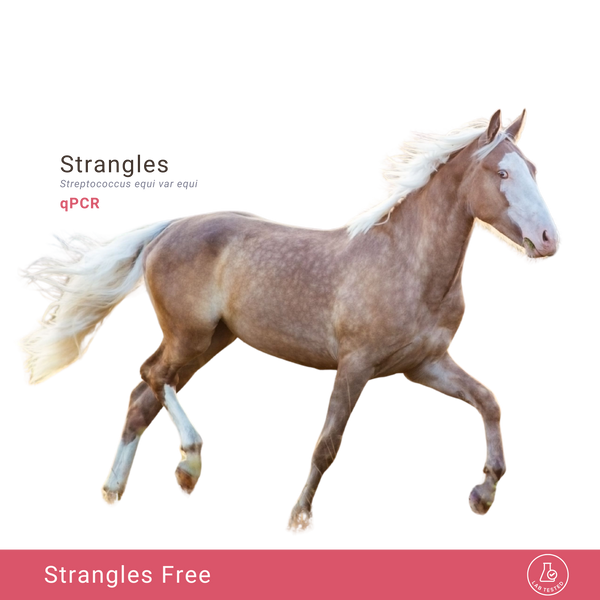
    About the Test The qPCR test detects the genome (ADN) of Streptococcus equi variant equi, the pathogen (bacteria) responsible for Strangles. Sample Nasopharyngeal swab - dry swab (see AAEP guidelines) Nasal swabs or draining lymph nodes Guttural pouch washes Turnaround time 2 to 5 working days What is Strangles? Strangles is a highly contagious upper respiratory infection of horses caused by the bacteria Streptococcus equi subspecies equi (S. equi). It is transmitted by inhalation or direct contact with contaminated surfaces (for example, horses sharing water buckets). The bacteria colonize the horse’s tonsils and pharynx within hours of infection, and then infect the lymph nodes under and behind the jaw, resulting in abscessation of these structures days later. Horses develop a fever initially, but are typically not contagious during the initial 48-72 hours. Rarely, infection spreads to other parts of the body resulting in abscesses in other organs such as the intestines, kidneys, lungs, spleen, or liver. This is often called “bastard strangles” or metastatic abscessation. A few horses may develop a hypersensitivity reaction to the bacteria with repeated exposure either in the form of infection or vaccination, otherwise known as purpura hemorrhagica. Horses that develop classic clinical signs and are not treated with antibiotics have the potential to develop immune protection for up to five years. Clinical signs Classic clinical signs include a fever (often >103°F or 39.5°C) first, followed by one or more of the following symptoms: depression, thick nasal discharge, and lymph node enlargement under the jaw and/or in the throat latch region. The abscessed lymph nodes may drain externally or into the guttural pouches (blind-end sacs connected to the throat in horses) resulting in nasal discharge. Horses that have been vaccinated for strangles or horses that have previous partial immunity may develop milder signs of upper respiratory tract infection. Bastard strangles cases may develop colic signs, fever, and/or weight loss with or without a history of previous strangles disease or exposure. Horses with purpura hemorrhagica may develop edema of the head, trunk, and/or legs, and broken blood vessels or bruising of the mucous membranes of the mouth, eyes, and nose. Additional signs can include fever, severe depression, and muscle tightness. The severity of symptoms in purpura hemorrhagica cases ranges from mild to life-threatening. Transmission Strangles is caused by oral exposure of a horse to S. equi bacteria. Once within the oral cavity, the bacteria invade the tonsils and subsequently colonize the lymph nodes. Bacteria can be transmitted through contact with pus or nasal discharges from an infected horse, or from contaminated bedding or barn equipment (water troughs, buckets, etc.). Flies may also act as vectors, spreading the bacteria from horse to horse. Under the right conditions, S. equi can survive in the environment for weeks or months. Exposure of a horse to S. equi does not necessarily mean that it will come down with strangles. Factors that influence the risk of disease include dose of bacteria (poor sanitation and direct contact with nasal secretions and pus increase the chance of disease); immune status of horse. Previously exposed horses are often immune to the disease, or do not get as sick as unexposed horses. During the first three to six months of life, foals are often protected by maternal antibodies. Vaccination can also increase resistance to the disease; stress (poor nutrition, overcrowding, lengthy transportation, or pre-existing diseases increase the risk of strangles). Strangles may be transmitted by “silent shedders” who do not display signs of disease. These horses commonly carry the strangles organism in the guttural pouch, an air sac at the back of the horse’s throat. Detection of these animals requires guttural pouch endoscopy (passing an endoscope via the horse’s nose into the guttural pouch). Strangles is most commonly transmitted by acutely ill or recovering horses that are still shedding bacteria in their nasal secretions. Bacterial culture results have a turnaround time of 2 to 3 days. The DNA test known as Polymerase Chain Reaction (PCR) takes less than a day. However, it may take an additional 1 to 2 days to send samples to the laboratory. Prevention Biosecurity on the farm is necessary to prevent the spread of disease. Isolate new horses for three weeks prior to introducing them to the rest of the population. Isolate any horse with a fever and signs of strangles. Do not share tack or equipment between sick horses and others. Perform twice daily monitoring of rectal temperatures of all horses in an outbreak to identify new cases. Stop all movement of horses to and from the farm when strangles is identified. Disinfect water buckets daily. Use strict hygiene between horses to reduce the spread of the disease. Ideally, three throat flush samples are obtained from recovering horses and any horses who were in contact with sick horses at approximately weekly intervals and tested for S. equi subsp equi by PCR and culture. Identification of strangles bacteria in clinically recovered horses may mean the guttural pouches have retained some infection. Endoscopy of the guttural pouches provides visualization of any pus or dried debris (chondroids) that harbor the bacteria. A small number of horses will recover from strangles and continue to shed bacteria from the guttural pouch, causing recurrent farm outbreaks. Detection and treatment of these “silent carriers” (S. equi bacteria in guttural pouches) via endoscopy and PCR is essential for preventing disease recurrence on a farm. Discuss vaccination types and recommendations with your veterinarian. Vaccination does not provide 100% immunity against S. equi infection. Vaccination is not recommended during or within two years of a strangles outbreak due to the increased risk of purpura hemorrhagica. View More Info For more detailed information on the Strangles qPCR Test, including sample collection and submission instructions, please visit our website or contact our support team. Visit our website for more details. How It Works Pathogen Testing 🛒 Purchase the Test: Select and buy the test online. 📧 Receive Instructions: After payment confirmation, receive instructions for sample collection. ✨ Sample Collection: Your veterinarian collects the sample. 📄 Download Submission Form: Download the printable submission form here. 📮 Send Samples: Send to our lab by regular mail or express delivery to:Equigerminal LabIPN Incubadora, Rua Pedro Nunes, Ed.C3030-199 Coimbra, PORTUGAL 📄 Receive Results: Get the result certificate by email. If you need assistance, contact us at support@equigerminal.pt. FAQs View FAQs How does the Strangles qPCR test work? The qPCR test detects the DNA of Streptococcus equi variant equi in samples, providing a highly sensitive and specific method for identifying the presence of the bacteria. What types of samples are required for the test? The test can be performed on nasopharyngeal swabs, nasal swabs, draining lymph nodes, and guttural pouch washes. It's important to follow proper sample collection guidelines to ensure accurate results. How long does it take to get the test results? The turnaround time for the qPCR test is typically 2 to 5 working days from the receipt of the sample in the laboratory. What should be done if a horse tests positive for Strangles? Horses that test positive should be isolated to prevent the spread of the disease. Follow biosecurity measures and consult with a veterinarian for appropriate treatment and management. How effective are vaccinations in preventing Strangles? Vaccination can reduce the risk of Strangles but does not provide complete immunity. It's most effective in environments where Strangles is a persistent problem. Discuss vaccination options with your veterinarian. What are the signs of purpura hemorrhagica and how is it related to Strangles? Purpura hemorrhagica is an immune-mediated condition that can occur after exposure to S. equi antigens, either through infection or vaccination. Signs include edema, petechial hemorrhages, and sloughing of tissues. Immediate veterinary attention is required.  

    €55.35

  • Equine Infectious Anemia - Coggins test, AGID - Equigerminal

    Equine Infectious Anemia - Coggins test, AGID

    Pathogen test  This is one of the internationally imposed tests in the import/export of live equines or semen/ova and embryos intended for assisted reproduction. PTE029/7 AGID test (Coggins test) to detect antibodies against equine infectious anemia  Equine Infectious Anaemia is a disease listed in the OIE Terrestrial Animal Health Code and countries are obligated to report the occurrence of the disease according to the OIE Code. Sample 5 mL - blood - serum tube Turnaround time 2 to 5 working days   What is Equine Infectious Anemia? Equine infectious anemia is a very old viral disease that affects horses, asses, mules and hinnies worldwide. It is subject to tight controls in the import/export of live equines and their products Clinical signs This infection may have an acute, chronic or sub-clinical (silent) phase. The acute phase characterised by intermittent fever associated with depression, lethargy, increased heart and breathing rates, haemorrhaging, diarrhoea with blood, bleeding wounds that won’t heal, lack of coordination and rapid weight loss. It can also cause petechial haemorrhages of the mucous membranes and general oedema more evident in the legs and jaundice. The chronic phase characterised by recurrent episodes of fever, anaemia and thrombocytopenia (decrease of blood platelets) interspersed with periods of normality. These episodes will be spread out over time. This disease is often fatal during the acute or chronic phase. Should the animal survive the acute and chronic phase, it enters a silent phase with no evident signs of illness for the remainder of its life. In this silent phase the virus persists but the clinical signs are only manifest if the immune system is weakened by another disease, stress or the administration of corticosteroids. Transmission EIA is caused by a lentivirus of the HIV family, the equine infectious anaemia virus. The virus can be passed from one horse to another through fly, or more rarely, mosquito bites, or by direct contact with blood or blood derivative products (serum and/or plasma). Such as, for example, by: sharing objects contaminated with infected blood (needles, branding tools, etc). The virus can also be passed down from mare to foal via the placenta or, more rarely, in the mother’s colostrum or milk. Potentially, the virus can be transmitted by semen. Prevention There is no treatment, cure or vaccine for this infection. Prevention is crucial to avoid it being passed on. Serological tests for EIA must be done for any horse with anaemia and thrombocytopenia of unknown origin. Regular tests must be done on a yearly basis to keep the holding free from EIA. It is advisable to test studs and brood mares every 90 days in the breeding period.    

    €32.52

  • Equine Piroplasmosis cELISA Equine Piroplasmosis cELISA

    Equine Piroplasmosis cELISA

    Equine Piroplasmosis is a serious tick-borne disease caused by Babesia caballi and Theileria equi. As a national reference laboratory, Equigerminal is dedicated to providing the most accurate diagnostic services for Equine Piroplasmosis, a tick-borne disease caused by Babesia caballi and Theileria equi. At Equigerminal we follow ISO17025 standards. Our facility offers reliable cELISA tests to detect antibodies against these pathogens, ensuring your horses' health and compliance with international trade standards. PTE019/6 cELISA test to detect antibodies against Babesia caballi PTE020/6 cELISA test to detect antibodies against Theileria equi Test Details Pathogens Detected: Antibodies against Babesia caballi and Theileria equi. Sample Requirements: 5 mL of blood, serum, or plasma collected in a dry or EDTA tube. Turnaround Time: Standard Processing: Results within 2-5 working days after sample receipt. When to Choose the cELISA Test The cELISA test is ideal for detecting chronic or inapparent infections, routine screening, and ensuring compliance with international trade regulations. It detects antibodies (IgG) 21 days post-exposure. How It Works How It Works 🛒 Purchase the Test: Select and buy the test online. 📧 Receive Instructions: After payment confirmation, receive instructions for sample collection. ✨ Sample Collection: Your veterinarian collects the sample. 📄 Download Submission Form: Download the printable submission form here. 📮 Send Samples: Send to our lab by regular mail or express delivery to:Equigerminal LabRua Pedro Nunes, IPN Incubadora, Edifício C3030-199 Coimbra, PORTUGAL 📄 Receive Results: Get the result certificate by email. If you need assistance, contact us at support@equigerminal.pt. More Info View More Info For more detailed information on the cELISA test for Equine Piroplasmosis, including sample collection and submission instructions, please visit our website or contact our support team. Visit our detailed diagnosis page for more information. FAQs View FAQs How does the cELISA test work? The cELISA test detects antibodies to Babesia caballi and Theileria equi, providing high sensitivity and specificity for identifying chronic or inapparent infections. What types of samples are required for the test? 5 mL of blood, serum, or plasma collected in a dry or EDTA tube. How long does it take to get the test results? The turnaround time is 2-5 working days after the sample is received in the laboratory. What should be done if a horse tests positive for Piroplasmosis? Horses that test positive should be isolated to prevent the spread of the disease. Follow biosecurity measures and consult with a veterinarian for appropriate treatment and management. How can Piroplasmosis be prevented? Prevention involves testing and controlling tick exposure, using repellents, acaricides, and regular inspections, controlling and eradicating the tick vector, and quarantining EP-positive animals.  

    €74.00

  • Glanders - Burkholderia mallei, qPCR - Equigerminal

    Glanders Burkholderia mallei qPCR

    1 review

    Pathogen test  The PCR test detects the genome (DNA) of Burkholderia mallei, the bacteria responsible for Glanders in equines. Sample 5 mL - blood - K3 EDTA tube Turnaround time 2 to 5 working days   What is Glanders? Glanders is a contagious and fatal disease of horses, donkeys, and mules, caused by infection with the bacterium Burkholderia mallei.The pathogen causes nodules and ulcerations in the upper respiratory tract and lungs. A skin form also occurs, known as ‘farcy’. Control of glanders requires testing of suspect clinical cases, screening of apparently normal equids, and elimination of positive reactors. As B. mallei can be transmitted to humans, all infected/contaminated or potentially infected/contaminated material must be handled in a laboratory with appropriate biosafety and biosecurity controls following a biorisk analysis. Glanders is an OIE listed disease as described in the Terrestrial Animal Health Code of the World Organisation for Animal Health (OIE). As indicated in the OIE Terrestrial Animal Health Code any occurrence of glanders must be notified to the OIE. Clinical signs The disease causes nodules and ulcerations in the respiratory tract and lungs in animals. A skin form, known as ‘farcy’, also occurs. Both acute and chronic forms of the disease have been described. Acute forms occur most frequently in donkeys and mules, with high fever and respiratory signs. In horses, glanders generally takes a more chronic course and they may survive for several years. There are four recognised clinical presentations of glanders: nasal, pulmonary, cutaneous and asymptomatic carrier. These different forms of glanders are usually referred to according to the location of the initial infection. The nasal and pulmonary forms tend to be more acute while the cutaneous form is a chronic process. Inflammatory nodules and ulcers develop in the nasal passages and give rise to a sticky yellow discharge. Stellate scarring follows upon healing of the ulcers. The formation of nodular abscesses in the lungs is accompanied by progressive debility, coughing and may also be accompanied by diarrhoea. In the cutaneous form (“farcy’), the lymph vessels are enlarged; nodular abscesses form along their course, which then ulcerate and discharge yellow pus. Nodules are regularly found in the liver and spleen, leading to wasting and death. Transmission The most common source of infection is ingestion of contaminated food or water. Contaminated aerosols (produced by coughing and sneezing), and contaminated fomites brought to the animals via grooming equipment and tack may also be a source of infection. The bacteria can also enter the body through contact with lesions or abrasions of the skin or through mucosa. In this case, a local infection with ulceration may develop spreading to other parts of the body in the course of the disease. Poor husbandry and feeding conditions as well as animal transport can be predisposing factors. Unsanitary conditions and over-crowded stables are risk factors. Prevention To date, no treatment with veterinary drugs is capable to cure the infection. Control of glanders requires early detection and diagnostic testing of suspected clinical cases, screening of apparently normal equids, and elimination of positive cases. For glanders-free countries, there are recommendations on importing equines. An international veterinary certificate is required attesting that the animals showed no clinical signs of glanders and were kept in an exporting country free of the disease for at least 6 months prior to shipment.

    €55.35

  • Dourine - Trypanosoma equiperdum, qPCR - Equigerminal

    Dourine - Trypanosoma equiperdum, qPCR

    Pathogen test  The PCR test detects the genome (DNA) of  Trypanosoma equiperdum, the pathogen responsible for Dourine. Sample 5 mL - blood - K3 EDTA tube Turnaround time 2 to 5 working days   What is Dourine? Dourine is a chronic or acute contagious disease of breeding equids that is transmitted directly from animal to animal during coitus. The causal organism is Trypanosoma equiperdum. Dourine is the only trypanosomosis that is not transmitted by an invertebrate vector. Trypanosoma equiperdum differs from other trypanosomes in that it is primarily a tissue parasite that is rarely detected in the blood. There is no known natural reservoir of the parasite other than infected equids. Clinical signs Dourine is characterised mainly by swelling of the genitalia, cutaneous plaques and neurological signsThe symptoms vary with the virulence of the strain, the nutritional status of the horse, and stress factors. The clinical signs often develop over weeks or months. They frequently wax and wane; relapses may be precipitated by stress. This can occur several times before the animal either dies or experiences an apparent recovery.Genital edema and a mucopurulent discharge are often the first signs. Mares develop a mucopurulent vaginal discharge, and the vulva becomes oedematous; The genital region, perineum and udder may become depigmented. Abortion can occur with more virulent strains. Stallions develop edema of the prepuce and glans penis, and can have a mucopurulent discharge from the urethra. In stallions, the swelling may spread to the scrotum, perineum, ventral abdomen and thorax. Neurological signs can develop soon after the genital edema, or weeks to months later. Restlessness and weight shifting from one leg to another is often followed by progressive weakness, incoordination and, eventually, paralysis. Facial paralysis, which is generally unilateral, may be seen in some animals. Conjunctivitis and keratitis are common, and in some infected herds, ocular disease may be the first sign of dourine. Anemia and intermittent fever may also be found. In addition, dourine results in a progressive loss of condition, predisposing animals to other diseases. Transmission Unlike other trypanosomal infections, dourine is transmitted almost exclusively during breeding. Transmission from stallions to mares is more common, but mares can also transmit the disease to stallions. T. equiperdum can be found in the vaginal secretions of infected mares and the seminal fluid, mucous exudate of the penis, and sheath of stallions. Periodically, the parasites disappear from the genital tract and the animal becomes noninfectious for weeks to months. Non infectious periods are more common late in the disease. Male donkeys can be asymptomatic carriers. Rarely, infected mares pass the infection to their foals, possibly before birth or through the milk. Infections are also thought to occur through mucous membranes such as the conjunctiva. Other means of transmission may also be possible; however, there is currently no evidence that arthropod vectors play any role in transmission. Sexually immature animals that become infected can transmit the organism when they mature. Prevention To prevent dourine from being introduced into a herd or region, new animals should be quarantined and tested by serology. When dourine is found in an area, quarantines and the cessation of breeding can prevent transmission while infected animals are identified. Dourine can be eradicated from a herd, using serology to identify infected equids. Infected animals are euthanised. In some cases, stallions have been castrated to prevent disease transmission; however, geldings can still transmit the disease if they display copulatory behavior. Successful treatment with trypanocidal drugs has been reported in some endemic areas. However, therapeutic regimes have not been thoroughly investigated, and treatment is usually discouraged due to fears that the organism will persist inapparently. Good hygiene should be used at assisted matings. No vaccine is available.

    €55.35

  • Equine Herpesvirus Type 4, qPCR - Equigerminal

    Equine Herpesvirus Type 4, qPCR

    1 review

    Pathogen test  The qPCR test detects the genome (DNA) of  Equine Herpesvirus Type 4 (EHV-4). Molecular detection of EHV-4 by PCR is the most sensitive, specific and accurate tool in assessing the infectivity of an affected horse Sample 1 nasal or nasopharyngeal swab ( see AAEP guidelines)  and 5 mL - K3 EDTA tube 20 gr - placental or foetal tissue - sterile flask Turnaround time 2 to 5 working days   What is Herpesvirus Type 4? Equine Herpesvirus Type 4 (EHV-4) is a health risk to equine populations worldwide. Disease severity depends on multiple factors and may be latent in normal horses. And because clinical signs are similar to other respiratory diseases, it is difficult to make a definitive diagnosis from clinical presentation alone. Clinical signs EHV-4 infections are restricted to respiratory tract epithelium and associated lymph nodes, Infection of pregnant mares with EHV-4 strains rarely results in abortion. Like EHV-1 the EHV-4 establish latent infection in the majority of horses, which do not show clinical signs but may experience reactivation of infection and shedding of the virus when stressed. Transmission EHV-4 spread via aerosolised secretions from infected coughing horses, by direct and indirect (fomite) contact with nasal secretions. The most common way for EHV-4 to spread is by direct horse-to-horse contact. This virus is shed from infected horses via the respiratory tract. Horses may appear to be perfectly healthy yet spread the virus via the secretions from their nostrils. It is important to realize that EHV-4 can also be spread indirectly through contact with physical objects contaminated with infectious virus. The air around a horse that is shedding the virus can also be contaminated with infectious virus. Prevention Herd elimination of equine herpesviruses is virtually impossible because of the pervasiveness of the carrier state. Disease prevention, rather than treatment or attempts at eradication, offers the most effective means for controlling herpesvirus and its potential sequelae. Strategies aimed at reducing the economic and welfare impact associated with EHV-1 and EHV-4 respiratory infections include (1) prophylactic immunisation and (2) the implementation of preventive herd management practices. Subdivide horses into the small epidemiologically isolated closed groups. Minimize risks of exogenous and endogenous (stress induced viral reactivation) introduction of EHV-1. Maximize herd immunity through vaccination. Important measures in the case of an EHV-4 outbreak: Disinfection of areas contaminated by virus from the aborted foetus and placental membranes. Isolation of affected horses. Submission of clinical samples to a diagnostic laboratory. Implementation of hygienic procedures to prevent spread of infection (biosecurity).  

    €55.35

  • Stranglers - Streptococcus equi subs. equi, ELISA - Equigerminal

    Strangles ELISA

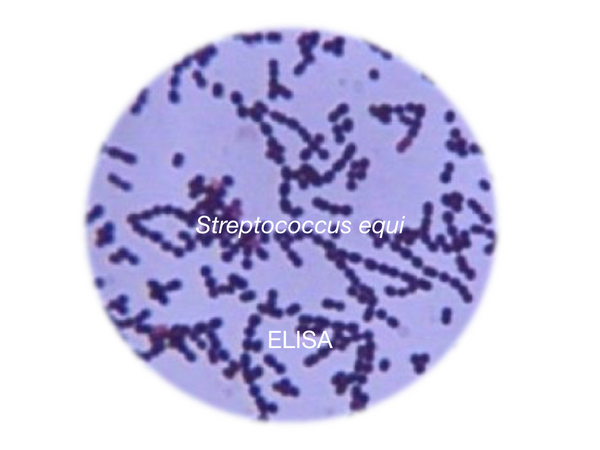
     Pathogen test  The iELISA test detects specific antibodies to Streptococcus equi subs. equi, the pathogen (bacteria) responsible for Strangles. Sample 5 mL, blood in a serum tube Turnaround time 2 to 5 working days   What is Stranglers? Strangles is a highly contagious upper respiratory infection of horses caused by the bacteria Streptococcus equi subspecies equi (S. equi). It is transmitted by inhalation or direct contact with contaminated surfaces (for example horses sharing water buckets). The bacteria colonize the horse’s tonsils and pharynx within hours of infection, and then infect the lymph nodes under and behind the jaw resulting in abscessation of these structures days later. Horses develop a fever initially, but are typically not contagious during the initial 48-72 hours. Rarely, infection spreads to other parts of the body resulting in abscesses in other organs such as the intestines, kidneys, lungs, spleen or liver. This is often called “bastard strangles” or metastatic abscessation. A few horses may develop a hypersensitivity reaction to the bacteria with repeated exposure either in the form of infection or vaccination otherwise known as purpura hemorrhagica. Horses that develop classic clinical signs and are not treated with antibiotics have the potential to develop immune protection up to five years. Clinical signs Classic clinical signs include a fever (often >103°F or 39.5°C) first, followed by one or more of the following symptoms: depression, thick nasal discharge and lymph node enlargement under the jaw and/or in the throat latch region. The abscessed lymph nodes may drain externally or into the guttural pouches (blind-end sacs connected to the throat in horses) resulting in nasal discharge. Horses that have been vaccinated for strangles or horses that have previous partial immunity may develop milder signs of upper respiratory tract infection. Bastard strangles cases may develop colic signs, fever, and/or weight loss with or without a history of previous strangles disease or exposure. Horses with purpura hemorrhagica may develop edema of the head, trunk, and/or legs; and broken blood vessels or bruising of the mucous membranes of the mouth, eyes and nose. Additional signs can include fever, severe depression, and muscle tightness. The severity of symptoms in purpura hemorrhagica cases ranges from mild to life-threatening. Transmission Strangles is caused by oral exposure of a horse to S. equi bacteria. Once within the oral cavity, the bacteria invade the tonsils and subsequently colonize the lymph nodes. Bacteria can be transmitted through contact with pus or nasal discharges from an infected horse, or from contaminated bedding or barn equipment (water troughs, buckets, etc.). Flies may also act as vectors, spreading the bacteria from horse to horse. Under the right conditions, S. equi can survive in the environment for weeks or months. Exposure of a horse to S. equi does not necessarily mean that it will come down with strangles. Factors that influence the risk of disease include dose of bacteria (poor sanitation and direct contact with nasal secretions and pus increase the chance of disease); immune status of horse. Previously exposed horses are often immune to the disease, or do not get as sick as unexposed horses. During the first three to six months of life, foals are often protected by maternal antibodies. Vaccination can also increase resistance to the disease; stress (poor nutrition, overcrowding, lengthy transportation or pre-existing diseases increase the risk of strangles). Strangles may be transmitted by “silent shedders” who do not display signs of disease. These horses commonly carry the strangles organism in the guttural pouch, an air sac at the back of the horse’s throat. Detection of these animals requires guttural pouch endoscopy (passing an endoscope via the horse’s nose into the guttual pouch). Strangles is most commonly transmitted by acutely ill or recovering horses that are still shedding bacteria in their nasal secretions. Bacterial culture results have a turnaround time of 2 to 3 days. The DNA test known as Polymerase Chain Reaction (PCR) takes less than a day. However, it may take an additional 1 to 2 days to send samples to the laboratory. Prevention Biosecurity on the farm is necessary to prevent spread of disease. Isolate new horses for three weeks prior to introducing them to the rest of the population. Isolate any horse with a fever and signs of strangles. Do not share tack or equipment between sick horses and others Perform twice daily monitoring of rectal temperatures of all horses in an outbreak to identify new cases. Stop all movement of horses to and from farm when strangles is identified. Disinfect water buckets daily. Use strict hygiene between horses to reduce spread of the disease. Ideally, three throat flush samples are obtained from recovering horses and any horses who were in contact with sick horses at approximately weekly intervals and tested for S. equi subsp equi by PCR and culture. Identification of strangles bacteria in clinically recovered horses may mean the guttural pouches have retained some infection. Endoscopy of the guttural pouches provides visualisation of any pus or dried debris (chondroids) that harbor the bacteria. A small number of horses will recover from strangles and continue to shed bacteria from the guttural pouch, causing recurrent farm outbreaks. Detection and treatment of these “silent carriers” (S. equi bacteria in guttural pouches) via endoscopy and PCR is essential for preventing disease recurrence on a farm. Discuss vaccination types and recommendations with your veterinarian. Vaccination does not provide 100% immunity against S. equi infection. Vaccination is not recommended during or within two years of a strangles outbreak due to the increased risk of purpura hemorrhagica.

    €43.05

  • Contagious Equine Metritis (CEM), qPCR - Equigerminal

    Contagious Equine Metritis (CEM), qPCR

    1 review

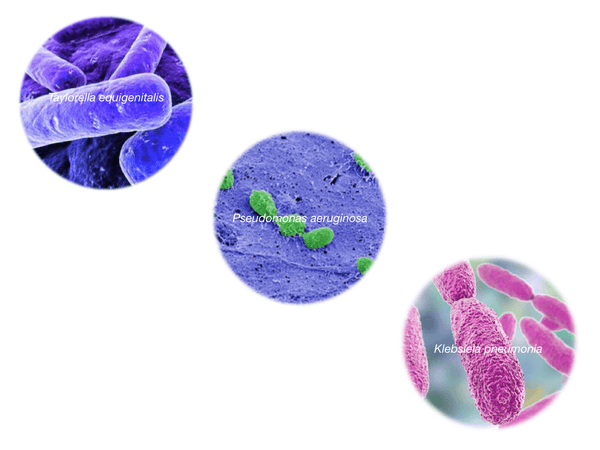
      Screening of 3 pathogens responsible Contagious Equine Metritis (CEM):  Taylorella equigenitalis, qPCR Pseudomonas aeruginosa, qPCR Klebsiela pneumonia, qPCR Sample requirements 2 or 3 genital swabs -  use standard swab in dry swabs or transport media for molecular biology Clitoral fossa swab Clitoral sinuses swab. Openings to the sinuses are on the dorsum of the clitoris - the central one is usually always present whereas the lateral sinuses may be multiple or not be present. Swab all that are present. Either cervical (closed cervix if pregnant or mid-cycle) or endometrial (while in estrus or true anestrus) swab – use guarded 25” swab. Turnaround time 2 to 5  working days     What is Contagious Equine Metritis? Contagious equine metritis is an inflammatory disease of the proximal and distal reproductive tract of the mare caused by Taylorella equigenitalis, which usually results in temporary infertility. It is a nonsystemic infection, the effects of which are restricted to the reproductive tract of the mare. Clinical signs When present, general clinical signs include endometritis, cervicitis and vaginitis of variable severity and a slight to copious mucopurulent vaginal discharge. In mares there are two states of infection: The active state in which the main outward sign is a vulval discharge, which may range from very mild to extremely profuse. The carrier state in which there are no outward signs of infection. However, the mare remains capable of transmitting infection because the bacteria are established on the surface of the clitoris, the clitoral fossa and sinuses and, in the case of pneumoniae and P. aeruginosa, sometimes in the urethra and bladder. In stallions: (‘stallion’ means mating stallions, teasers and stallions used for AI) Infected stallions do not usually show clinical signs of infection but the bacteria are present on their penis, sheath and. These stallions can infect mares during mating, teasing or AI. Occasionally, the bacteria may invade the stallion’s sex glands, causing pus and bacteria to contaminate the semen. Transmission Direct venereal contact during natural mating presents the highest risk for the transmission of equigenitalis from a contaminated stallion or an infected mare. Direct venereal transmission can also take place by artificial insemination using infective raw, chilled and possibly frozen semen. Indirectly, infection may be acquired through fomite transmission, manual contamination, inadequate observance of appropriate biosecurity measures at the time of breeding and at semen- collection centres. Stallions can become asymptomatic carriers of equigenitalis. The principal sites of colonisation by the bacterium are the urogenital membranes (urethral fossa, urethral sinus, terminal urethra and penile sheath). The sites of persistence of equigenitalis in the majority of carrier mares are the clitoral sinuses and fossa and infrequently the uterus. Foals born of carrier mares may also become carriers. The organism can infect equid species other than horses, e.g. donkeys. Prevention If infection with equigenitalis is suspected in any mare, stallion or teaser on the basis of clinical signs, all breeding activities must cease immediately. The affected horse(s) should be isolated and swabbed by the attending veterinary surgeon. Arrange swabbing of any at risk horse. Disinfect all equipment used for breeding procedures. Inform all owners of mares booked to the stallion, including any which have already left the premises; Inform people to whom semen from the stallion has been sent; Arrange for one straw from every ejaculate of stored semen from infected and at risk stallions to be tested by a laboratory. If a straw from any ejaculate is infected, all straws from that ejaculate should be destroyed; Any at risk pregnant mare must be foaled in isolation. The placenta must be incinerated. Foals born to these mares should be swabbed three times, at intervals of not less than seven days, before three months of age. Any mares with an abnormal vaginal exudate, or returning to oestrus prematurely, should be investigated and managed as though infected with equigenitalis until results of laboratory testing prove otherwise. If carriers of equigenitalis are detected, the organism can be eliminated by treatment with systemic and/or local antibiotics combined with antiseptic washing of the sites of persistence in the mare and the stallion.  

    €99.30

  • African Horse Sickness, ELISA - Equigerminal

    African Horse Sickness, ELISA

    Pathogen test  The ELISA test detects antibodies to the African Horse Sickness Virus (AHSV). Sample 5 mL - blood - serum tube Turnaround time 2 to 5 working days   What is African Horse Sickness? African Horse Sickness (AHS) is a serious, often fatal disease of horses, mules, and donkeys. The virus is spread by infected insects (biting midges) and causes fever and, heart and respiratory (breathing) problems in affected animals. Death is common and can occur suddenly. The disease primarily occurs in Africa, but outbreaks have been reported in Egypt, parts of the Middle East, Spain, Portugal, Morocco, Pakistan and India. African horse sickness has not occurred in the United States. AHS does not affect humans, so there are no human or public health implications. Clinical signs African Horse Sickness can cause respiratory (lung) disease, cardiac (heart) disease, or a cyclic fever. Death rates can be as high as 95% for some forms of the disease. The pulmonary or respiratory form occurs rapidly (within days). Signs of disease include fever, difficulty breathing, coughing, sweating, and frothy discharge from the nostrils. Death usually occurs within a few hours after illness is seen. The cardiac form of the disease causes fever and swelling (edema) around the eyes, lips, cheeks, tongue, and neck. Death usually occurs due to heart failure. Some affected animals may have both pulmonary and cardiac signs of disease. Some animals may only develop a cyclic fever (high in the afternoon, gone in the morning). These animals may also have depression and a decreased appetite. Animals with this horse sickness fever form of AHS will typically recover. Transmission AHS virus cannot be transmitted directly from horse to horse (or directly between any equine animals). Virus transmission between horses, donkeys and zebras occurs via small insect vectors known as midges (Culicoides species). The virus can also be mechanically transmitted through transfusion of infected blood products or through unhygienic practices (e.g. use of contaminated surgical equipment or hypodermic needles). It is unknown whether AHS can be transmitted by semen or ova from infected animals. Dogs can become infected with AHS through eating meat from an infected horse, donkey or zebra. Prevention The best way to protect animals from AHS is to decrease their exposure to biting midges and other insects (e.g., mosquitoes and biting flies). Stabling horses in insect-proof housing, particularly between dusk and dawn when the insects are most active, can help prevent exposure. Insect repellents and insecticides may also be useful. Monitor your horse’s temperature. Horses with fevers should be examined by your veterinarian. There is no comercial vaccine for any serotype of AHS currently available in Europe. A vaccine bank is being developed by the European Commission that will hold 100,000 doses of vaccine against seven different AHS serotypes. This vaccine will only be used in a strictly controlled manner in an emergency situation

    €30.75

  • Respiratory signs profile - Equigerminal

    Respiratory signs profile

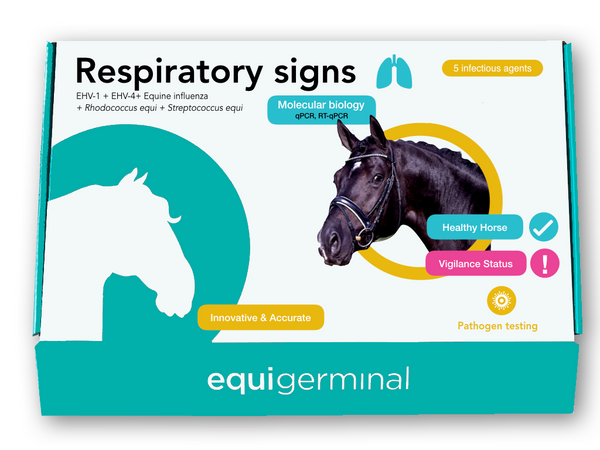
    Pathogen profile Screening of 5 pathogens responsible for respiratory disease in equines: EHV-1, EHV-4, Equine Influenza, Rhodococcus equi (Pneumonia) and Streptococcus equi (Stranglers).  Our lab is approved by FEI for EHV-1 testing. Sample 1 nasopharyngeal swab ( see AAEP guidelines)  & 5 mL - blood - K3 EDTA tube Turnaround time 2 to 5  working days

    €150.00

  • EquiSample Express Kit

    About the EquiSample Express Kit Tailored to Specific Test: The EquiSample Express Kit is customized based on the test purchased from Equigerminal. Complete Kit: Includes all necessary materials and prepaid express return shipping. Versatile Use: Suitable for both home tests and veterinary tests. Sample Collection: Collect samples yourself or consult a vet if a prescription is needed. Standardized Results: Ensures consistency without hassle, freeing up your vet to focus on care. Ideal for International Shipments: Perfect for tests requiring rapid sample delivery, like hormone assays, where sample stabilizers can't be used. How It Works 🛒 Purchase the Test and Kit: Select and buy the test and kit online. 📦 Receive the Kit: You will receive the kit at home with all necessary materials and prepaid express return shipping. 📄 Download the Submission Form: If you choose not to purchase the EquiSample Kit, download the submission form here. 📮 Return the Sample: Place the collected sample in the prepaid express envelope and use the door pickup service. If you did not purchase the kit, you are responsible for shipping the sample to our lab via regular mail. 📄 Receive Results: Get the result certificate by email. If you need assistance, contact us at support@equigerminal.pt. Types of Tests Home Tests: For healthy animals, these tests do not require invasive samples or veterinary prescriptions. Examples include: Genetic Tests: Saliva/swabs, mane root samples, and other non-invasive samples Parasitic Tests: Stool samples Nutritional Tests: Non-invasive samples Food Tests: Analysis of various food samples Veterinary Tests: For infectious diseases or sick animals, these tests require invasive sample collection (e.g., blood) and must be prescribed by a veterinarian. Veterinarians can also request specific kits and materials. Home Test Kits Include Genetic Tests: Includes a sealed card or envelope for mane samples, saliva/swabs, gloves, a sealed bag, and submission forms. Parasitic Tests: Includes tools for stool sample collection. Nutritional and Food Tests: Includes the necessary materials for collecting non-invasive samples and submission forms. Veterinary Test Kits Include For infectious disease tests, includes materials for invasive sample collection (e.g., blood) and submission forms. Veterinary-specific materials as requested. Pricing and Delivery Time Portugal & Spain : Delivery in 1 business day International: Delivery in 1-2 business days (Valid only for Europe in non-remote areas. For other regions, please contact us.) Multiple Animal Testing You can purchase kits for testing a single animal or multiple animals. The cost of transportation is unitary, meaning you only pay for shipping once, regardless of the number of animals being tested. FAQs View FAQs What is included in the EquiSample Kit? Each kit includes specific materials based on the type of test purchased, such as swabs, sealed tubes, gloves, submission forms, and a prepaid return envelope. How do I collect a sample? Detailed instructions for sample collection are provided with each kit. For home tests, follow the instructions carefully. For veterinary tests, your veterinarian will handle the sample collection. Can I purchase additional collection kits? Yes, you can purchase additional EquiSample Kits with all necessary materials and prepaid return shipping for a hassle-free experience. How do I return the sample? If you purchase the EquiSample Kit, place the collected sample in the provided prepaid envelope and drop it off at your national postal service (for Standard Kit) or use the door pickup service (for Express Kit). If you do not purchase the kit, you are responsible for shipping the sample to our lab via regular mail. How long does it take to receive the results? The turnaround time for most tests is typically 2 to 5 working days from the receipt of the sample in our laboratory. Who can I contact for support? If you need assistance, contact our support team at support@equigerminal.pt. Additional Information View More Info For more detailed information on the EquiSample Kits, including sample collection and submission instructions, please visit our website or contact our support team at support@equigerminal.pt. Visit our website for more details.

    €40.00 - €140.00

  • Vesicular Stomatitis, RT-qPCR - Equigerminal

    VE Vesicular Stomatitis RT-qPCR

    Pathogen test  The RT-qPCR test detects the genome (RNA) of Indiana and Jersey virus strains responsible for Vesicular Stomatitis. Sample 5 mL - blood - K3 EDTA tube Turnaround time 2 to 5 working days   What is Vesicular Stomatitis? Vesicular Stomatitis (VS) is a contagious disease that afflicts horses, livestock, wildlife and even humans. The disease is caused by a virus, which although rarely life threatening, can have significant financial impact on the horse industry. Vesicular Stomatitis is a reportable disease. Equestrian event organisers may also choose to cancel horse shows, and other equestrian activities in the surrounding area. Interstate and international movement of horses may also be restricted.  Clinical signs When vesicular stomatitis occurs in horses, blister-like lesions usually develop on the tongue, mouth lining, nose or lips. In some cases, lesions can develop on the coronary bands, or on the udder or sheath. When VS is suspected, an exact diagnosis should be obtained by testing the blood for virus-specific antibodies or by testing swabs from the lesions to identify the presence of the virus. Testing is necessary to rule out the possibility that the lesions are caused by photosensitivity (sunburn), irritating feeds or weeds, or toxicity from non-steroidal anti-inflammatory medications like phenylbutazone.  The disease generally runs its course within two weeks, although it may take as long as two months for the sores to entirely heal. Live virus can often be isolated from the lesions for up to a week after the lesions appear.  During this time, the horse remains infective and the potential remains for the disease to spread to other animals. Transmission There are still some questions regarding how vesicular stomatitis is transmitted and why it only occurs sporadically in the U.S. The disease is distributed only in North, Central, and South America, with a greater incidence in warmer regions. Due to the seasonal occurrence of VS during summer through early fall, it is believed that insects such as biting flies and midges contribute to maintaining the lifecycle of the virus.  Black flies, sand flies, and midges are known to transmit the virus, but there may be other insect vectors that have not yet been identified. VS also can be passed from horse to horse by contact with saliva or fluid from ruptured blisters. Physical contact between animals, or contact with buckets, equipment, housing, trailers, feed, bedding, shared water troughs or other items used by an infected horse can provide a ready means of spread.  Prevention By observing the following guidelines you can help prevent the occurrence of VS:  Healthy horses are more disease resistant so provide good nutrition, regular exercise, deworming and routine vaccinations.  Isolate new horses for at least 21 days before introducing them into the herd or stable. Observe your horse closely. Immediately isolate any horse that shows signs of infection and contact your veterinarian. Implement an effective insect control program. Keep stabling areas clean and dry. Remove manure and eliminate potential breeding grounds (standing water, muddy areas) for insect vectors. Use individual rather than communal feeders, waterers, and equipment. Clean and disinfect feed bunks, waterers, horse trailers and other equipment regularly. Be sure that your farrier and other equine professionals who come into direct contact with your animals exercise due care so as not to spread the disease from one horse or facility to the next. On farms where VS has been confirmed, isolate any animals with lesions away from others and handle healthy animals first, ill animals last. Handlers should then shower, change clothing and disinfect equipment to prevent exposing others. Anyone handling infected horses should implement proper biosafety methods, including wearing latex gloves and washing hands after handling animals with lesions. If you are sponsoring an event during an outbreak, require a more recent health certificate on every horse entering the venue and consider having a veterinarian visually inspect all horses at check-in.  Work with your event veterinarian to establish isolation and response procedures that can be implemented quickly if a suspect case is identified at the venue.   

    €61.50

Login

Forgot your password?

Don't have an account yet?
Create account